
DOJ relies on AI detector Pangram to accuse defense of using ChatGPT

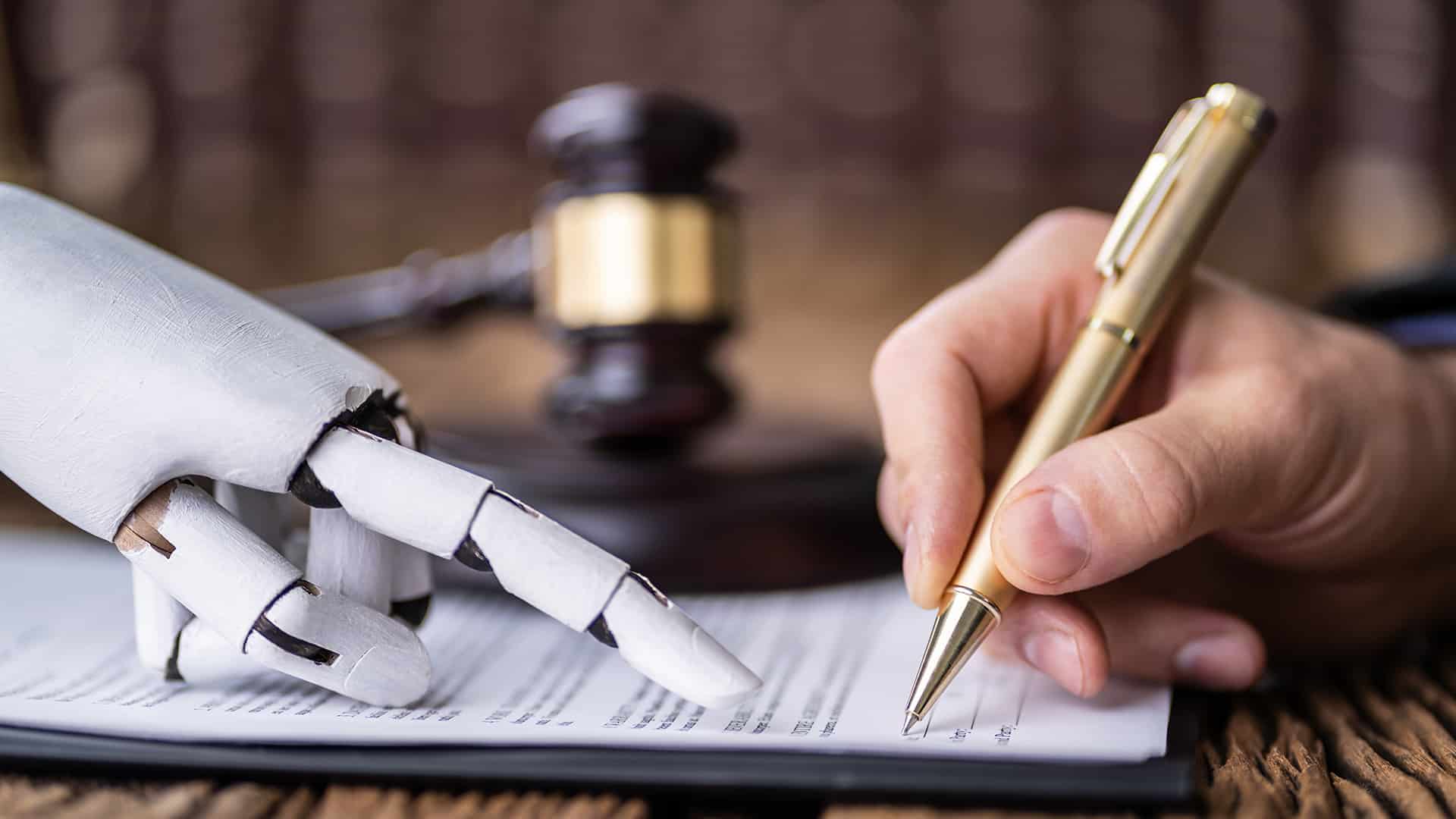
U.S. Department of Justice (DOJ) prosecutors are using a commercial artificial intelligence detection service to challenge defense attorneys’ use of AI in drafting legal motions, Jason Koebler of 404 Media reported.
According to court documents reviewed by the news outlet, government lawyers used the Pangram AI detection tool to argue that opposing counsel had submitted ChatGPT-generated filings, describing them as «AI slop.» The case marks a new development in courtroom disputes over the use of generative AI in legal proceedings.
AI accusations in federal court
The dispute arose during post-trial proceedings in the case of Khalwinder Bhengura, a 70-year-old Indian national who was convicted of two voting-related offenses in Texas in October 2026.
Federal prosecutors argued that the defense’s filings amounted to responses to documents generated by a robot attempting to practice law. They also contended that the use of AI to produce multiple allegedly frivolous motions wasted judicial resources and violated local court rules.
Read also: ChatGPT helps Almaty resident win traffic lawsuit.

The government ran several defense filings through Pangram and submitted the detection results as exhibits. Although the results were mixed and did not indicate that the documents had been entirely AI-generated, prosecutors argued that much of the substantive content appeared to have been produced with AI assistance.
Bhengura’s defense attorneys said the case stemmed from a language barrier and an unintentional error. According to the defense, Bhengura, who speaks Punjabi and has limited English proficiency, did not understand the citizenship declaration on a Texas driver’s license application, which led to his voter registration in 2024.
Growing use of AI detection tools in legal disputes
The case illustrates how AI detection software is increasingly becoming part of courtroom disputes, with opposing legal teams using automated tools to scrutinize one another’s work.
As Koebler notes, courts have previously sanctioned attorneys for citing fabricated legal precedents generated by AI chatbots. The Bhengura case highlights a different development: prosecutors are now using commercial AI detection services such as Pangram to challenge the preparation of opposing counsel’s filings.
Defense attorney Mario Herrera disputed the government’s interpretation of the detection results, arguing that such software cannot establish who wrote a document, how it was produced or whether its legal arguments are sound. He also said prosecutors had not identified any fabricated legal citations in the defense filings.
Herrera and fellow defense attorney Nicole Knox said they had used AI tools because of an emergency that left Knox hospitalized and tight deadlines that required Herrera to prepare for a federal jury trial in just four days. Herrera maintained that he reviewed and edited the AI-assisted material and took responsibility for the final filings.
Read also: Will AI make translators obsolete, or can algorithms capture literature?

The judge, Mark Pittman, also criticized the defense attorneys, describing some of their arguments as superficially persuasive but fundamentally meritless and apparently generated by AI.
Defendant caught in a wider AI debate
Bhengura remains in custody following his conviction and faces possible deportation. His attorneys argue that the dispute over AI-assisted legal drafting risks overshadowing the circumstances of his case, including the language barrier that they say contributed to his voter registration.
The case has also drawn attention to the reliability of commercial AI detection tools and the potential consequences of using their results in judicial proceedings, particularly when defendants’ liberty and legal representation are at stake.
