


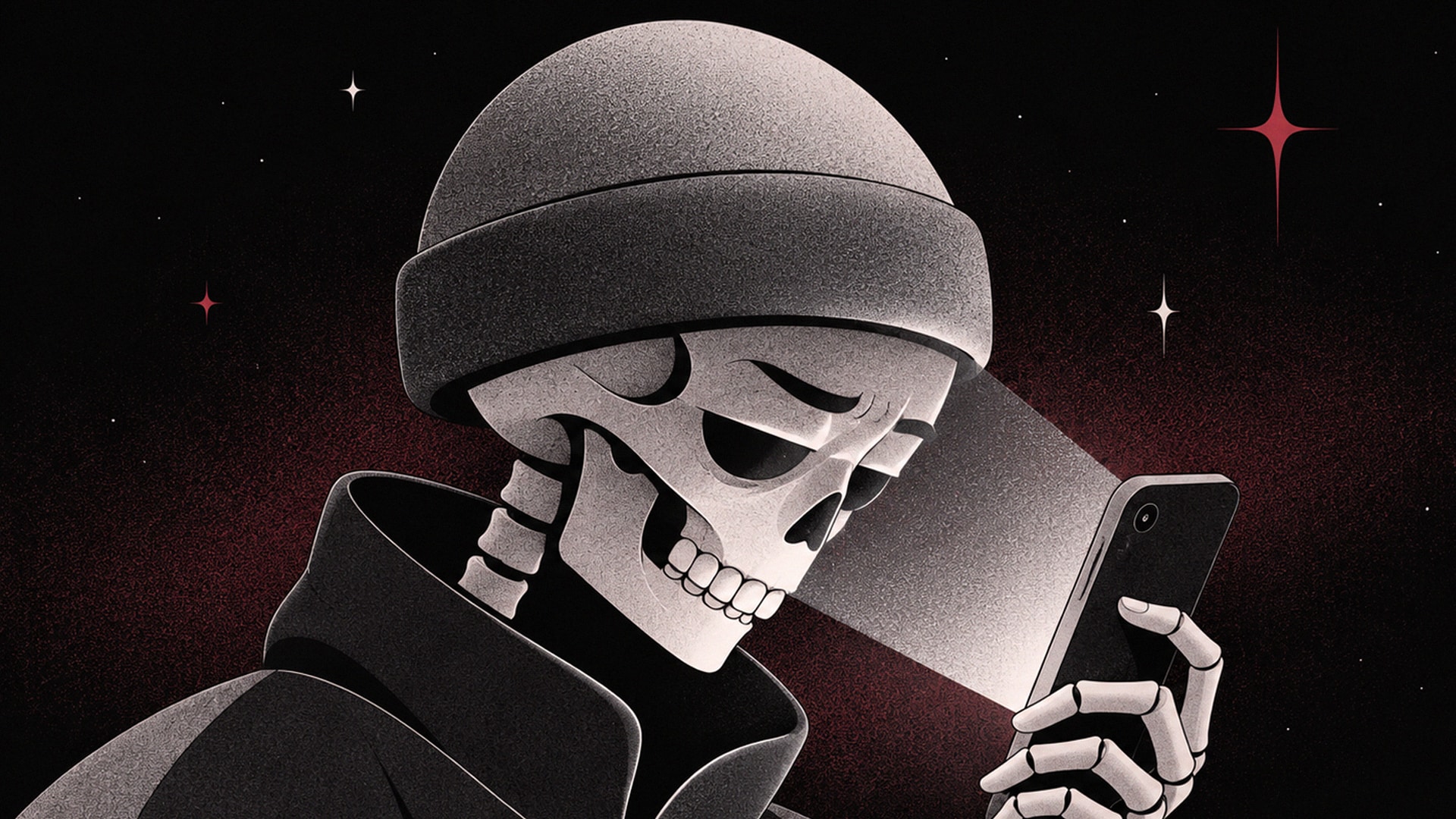
The «Dead University» theory is gaining traction on social media. It describes a scenario in which students and faculty increasingly outsource their academic work to artificial intelligence, effectively turning the educational process into a game of passing the buck between tools such as ChatGPT, Gemini and Claude.
The idea was outlined by a Threads user who listed the various tasks that students and professors are already delegating to AI. Most commenters on the original post agreed that this has become a reality that universities will simply have to accept. Others, however, argued that using AI does not necessarily mean abandoning independent thinking.
The term «Dead University» is an obvious play on the «Dead Internet Theory,» which holds that a significant share of online activity is no longer generated by real people but by bots and automated accounts. These accounts publish posts, write comments, like content and interact with one another, creating the appearance of genuine human activity.
Read also: Will AI dumb us down? Kazakhstan’s plan to safeguard critical thinking.

From the Dead Internet to AI-generated content
The Dead Internet Theory gained wider attention in January 2021, when a forum user argued that the internet had begun losing its «human face» around 2016-2017. The author pointed to the proliferation of identical posts, repetitive comments and accounts that appeared to be inauthentic.
Political bot farms are frequently cited as examples of the phenomenon. The issue attracted particular attention following the 2016 U.S. presidential election and Russia’s 2014 annexation of Crimea.
The arrival of ChatGPT in 2022 brought renewed attention to the theory. Generative AI systems can now do more than produce text: They can generate images, respond to comments and manage entire social media accounts.
The trend is particularly noticeable on Threads, where accounts posing as ordinary users sometimes publish identical images, including banners featuring apologies, or nearly identical messages praising a particular city mayor.
Bots account for more than half of internet traffic
Statistics suggest that automated activity accounts for a substantial share of internet traffic. According to cybersecurity company Imperva’s Bad Bot Report, bots generated 49.6% of global internet traffic in 2023. Their share rose to 51% in 2024, exceeding human-generated traffic for the first time, and reached 53% in 2025.
However, these figures do not mean that every second social media commenter is a bot. Imperva’s estimates cover automated internet traffic broadly, including both malicious bots and legitimate automated services such as search engine crawlers. They also measure traffic rather than individual users, comments or social media accounts.
