
Kazakhstan plans geolocation tracking for microloan applications to curb fraud



Microfinance organizations (MFOs) in Kazakhstan will be required to collect clients’ geolocation data when they conduct financial transactions through mobile apps, including when applying for microloans. If a user declines to share their location, the app must record that permission was denied.
The requirement was introduced by the Agency for Regulation and Development of the Financial Market (ARDFM), which has also established new security standards for MFO mobile applications.
New security requirements for mobile apps
Under the new rules, MFO applications must provide the following security features:
— Block online microloan issuance if the app detects that a smartphone is being remotely controlled or that the operating system’s security mechanisms have been bypassed.
— Allow the MFO to force users to update the app or disable its functions until critical security vulnerabilities have been fixed.
— Notify clients whenever someone logs in to their account, changes or resets their password, or updates their registered phone number.
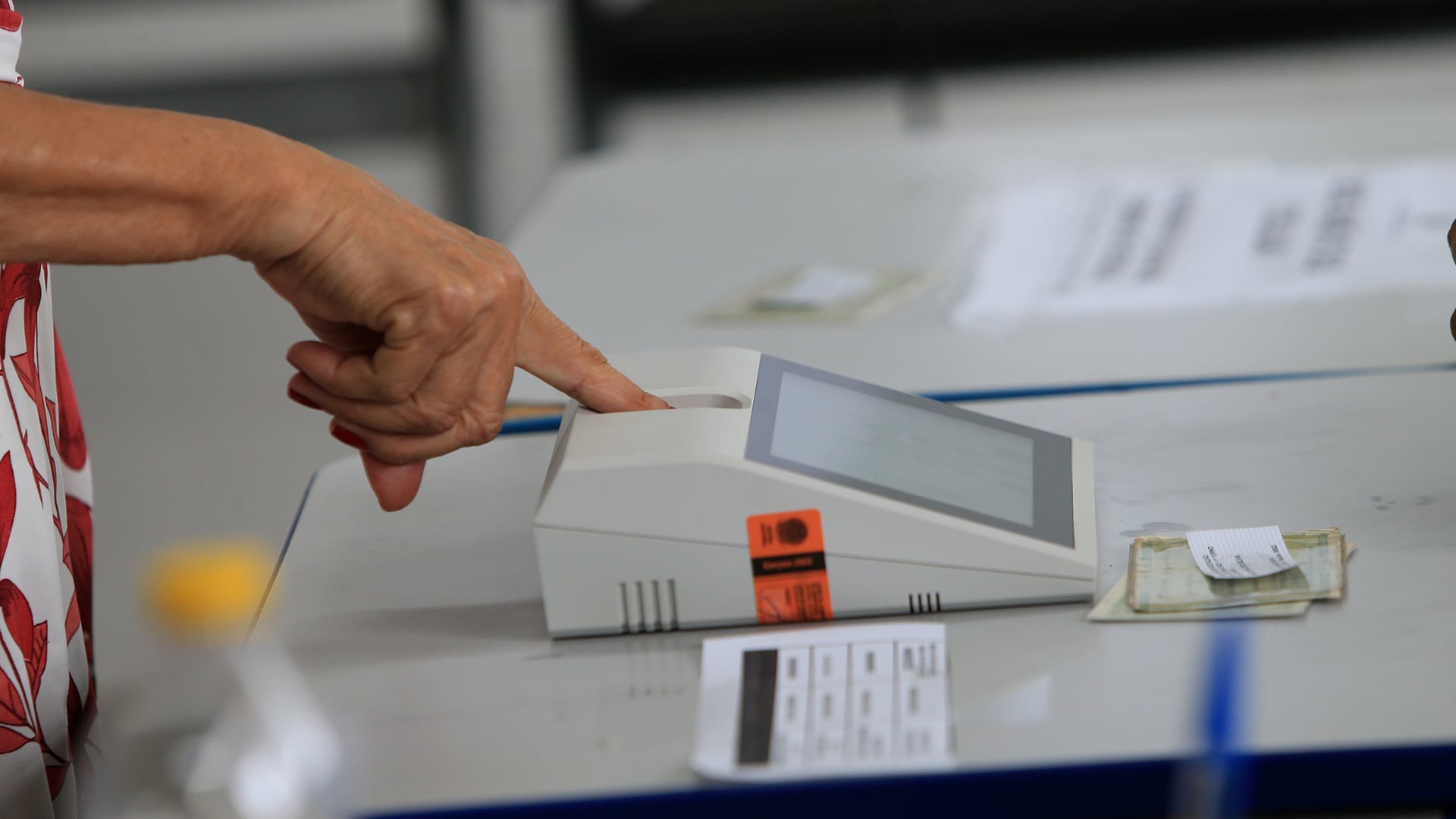
MFOs must also introduce safeguards against attempts to spoof biometric authentication using photographs or videos. To verify a client’s identity, the system must require them to perform specific sequences of movements that cannot simply be repeated or replicated using prerecorded images.
Read also: Kazakhstan mandates palmprint scans for bank safety.
Anti-fraud systems and data retention
With the exception of pawnshops and credit partnerships, all microfinance organizations must maintain their own anti-fraud systems and integrate them with the National Bank of Kazakhstan’s Anti-Fraud Center.
These systems must be capable of:
— Reporting suspicious transactions around the clock.
— Maintaining internal databases of individuals suspected of involvement in fraudulent activity.
— Automatically checking client information against these databases.
— Suspending or rejecting microloan transactions when fraud is suspected.
MFOs must also retain records related to online microloans for at least five years after borrowers have fulfilled their contractual obligations. The records must include transaction data, SMS and push notifications, call center communications, relevant documents and biometric authentication materials.
Read also: Kazakhstan proposes ban on loans for citizens under 21.

Additional checks for online borrowers
Separately, effective Oct. 1, 2026, banks and MFOs will be required to assess prospective borrowers in Kazakhstan using questionnaires before issuing unsecured online loans.
If a borrower’s answers indicate a potential risk of fraud, the financial institution must conduct additional verification before proceeding with the loan.
