
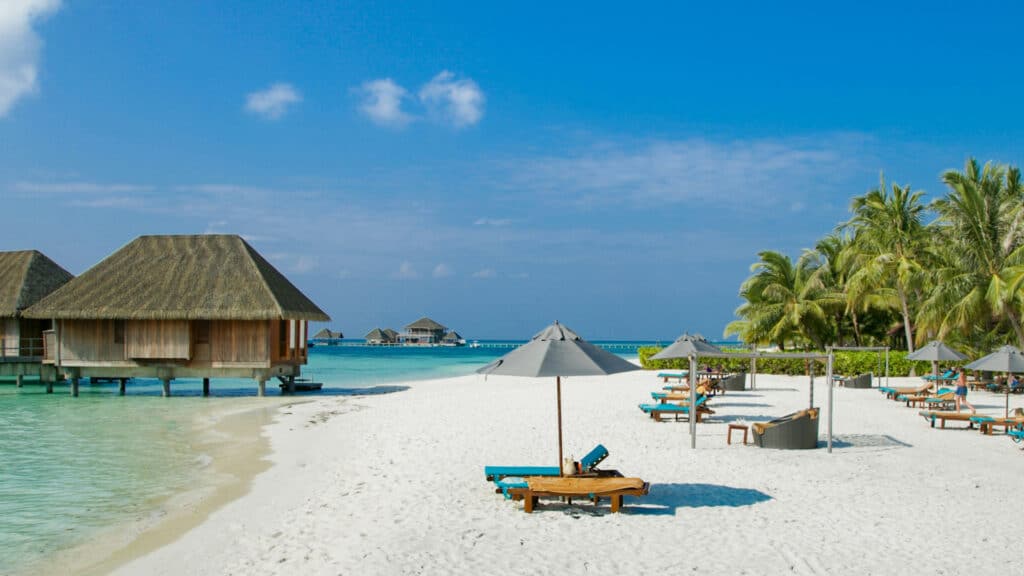
For years, the Maldives has been a symbol of luxury vacations, with its white-sand beaches and turquoise waters. The island nation is still known for its overwater villas, private islands and prices reserved for the ultra-wealthy. However, the paradise islands are no longer just for the rich and honeymooners with platinum credit cards, as the country has started to offer more affordable vacation options for families, backpackers and curious travelers, the BBC reported.
In a quiet revolution, the island nation has undergone deep reforms in tourism, allowing local residents to open guesthouses on inhabited islands. As a result, more than a thousand family-run, tourist-oriented guesthouses have popped up across the country, offering travelers a chance to explore the authentic way of life on the islands. In return, Maldivians now have an opportunity to improve their well-being by earning income directly from tourists.
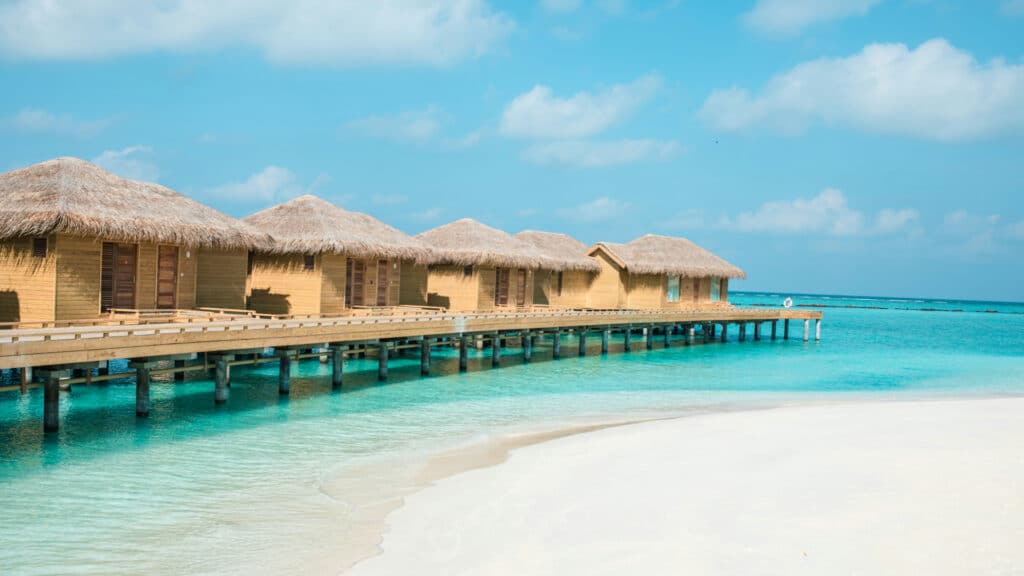
For those who seek a cheaper, more authentic vacation option, inhabited islands like Thoddoo offer fresh air with mainly bicycles and motorbikes for transport, clean waters rich in underwater life for snorkeling and delicious homemade food served in local guesthouses.
For those who still want a touch of resort comfort, mid-range, Maldivian-owned resorts like Sun Siyam Olhuveli now bridge the gap between luxury and affordability. Families can enjoy house reefs, pools and all-inclusive ease without the eye-watering prices.
In addition, under President Mohamed Muizzu, the Maldives has adopted a more sustainable way of life, aiming to keep its land and water as clean as possible. Resorts and guesthouses alike are cutting plastic use, restoring coral reefs and protecting marine life. Moreover, the country has committed to significant investments in renewable energy to protect the fragile ecosystems that make the islands so special.
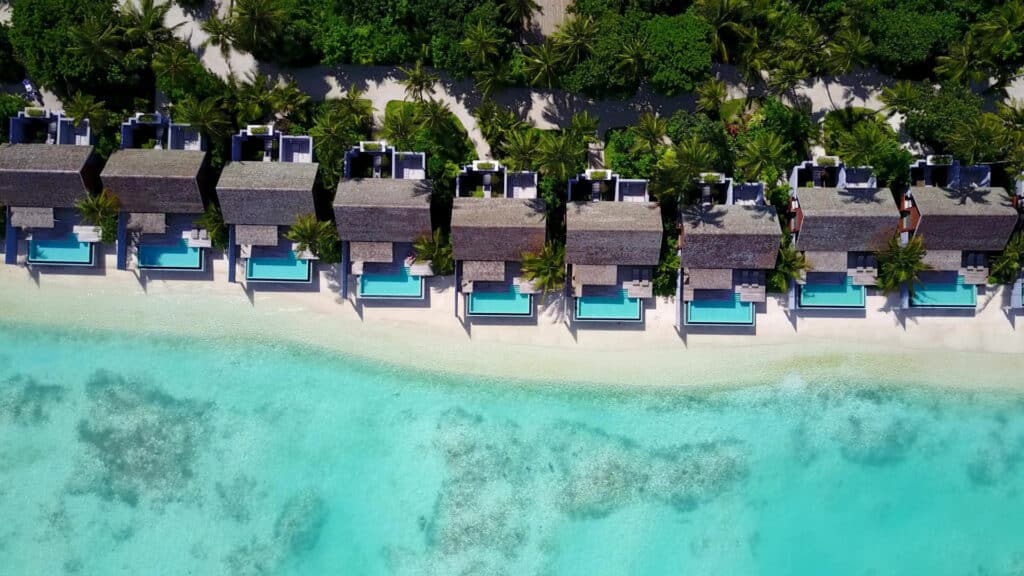
However, there is something the small island nation cannot do much about: climate change. Global warming, which threatens every continent, may cause particularly severe damage to the Maldives. World Bank estimates, for example, suggest the nation could be submerged by 2100.