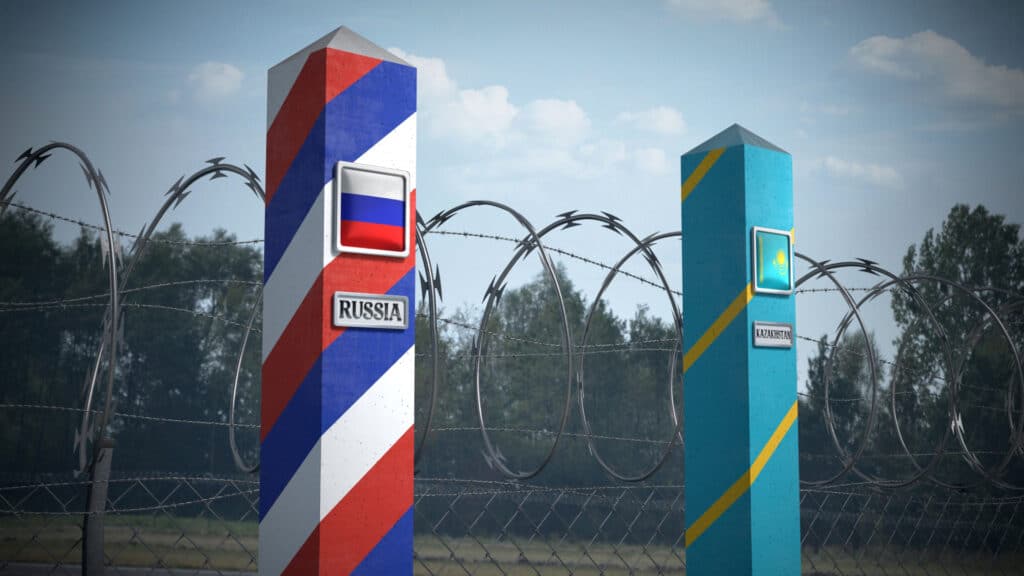
The business activity index for the service sector in Kazakhstan fell to 48.7 in November, down from 49.3 in October. This was partly due to delays at the Russian border, but the main factor was a decline in new orders, according to a report by Freedom Holding Corp.
New business across Kazakhstan’s service sector rose modestly in the penultimate month of the year. The latest increase was the weakest since March, with the pace of expansion having now waned for the sixth month running.
With new business growth slowing, Kazakh services companies chose to streamline their workforce for a third straight month in November. That said, the pace of contraction was the weakest in the aforementioned sequence and indicated only a fractional reduction. In fact, the underlying data revealed that nearly all survey respondents kept their staffing numbers unchanged from the month prior.
Kazakh services companies saw cost pressures intensify in the latest survey period. Input prices increased at the fastest pace in five months. Staff costs, rent, utility expenses, and increased customs rates resulting from congestion at the Russian border were all cited as reasons for the latest increase in input costs.
According to Erlan Abdikarimov, director of Financial Analysis at Freedom Finance Global PLC, November saw another fall in overall business activity in the service sector, following unusually strong optimism observed for much of the year. This may indicate the emergence of systemic problems in the industry.
«The main pressure is coming from new orders — their growth has been steadily cooling, and companies are responding with cautious employment management. Rising costs due to logistical delays at the Russian border are creating additional price pressure and keeping service inflation high. Despite businesses’ attempts to pass costs on through higher prices, demand is not yet strong enough to return the sector to sustainable growth. Businesses are hoping for improved demand in the year-ahead forecast, but uncertainty surrounding new tax rules is limiting their willingness to expand actively,» he said.
Earlier this year, Kursiv.media reported food supply problems at the Kazakhstan–Russia border. Russian border guards blocked a truck from Kazakhstan carrying 22 tons of food products from entering the country. Before that, five tons of sausages were also denied entry at the Ozinki checkpoint in Russia’s Saratov region.
Meanwhile, the business activity index for Kazakhstan’s manufacturing sector stood at 49 in November, marking the sixth consecutive month below the critical level of 50. This indicates continued deterioration in Kazakhstan’s manufacturing sector.