Why Central Asia is absent from Trump’s new US security strategy

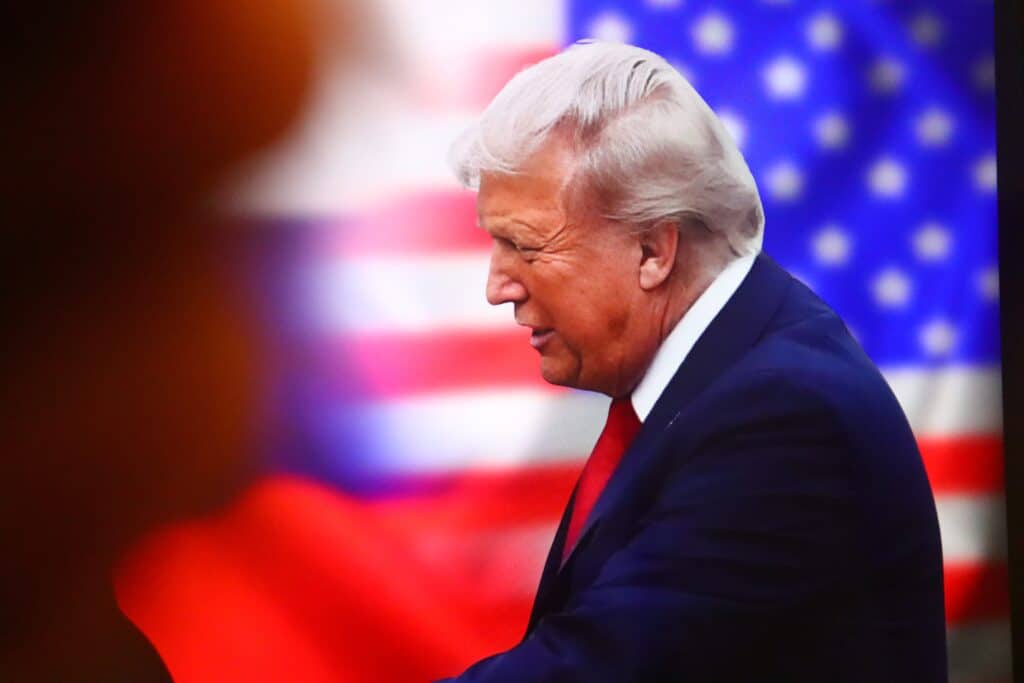
The newly released 2025 U.S. National Security Strategy (NSS) marks a sharp pivot toward the Western Hemisphere and «America First» economics, leaving Central Asia largely on the periphery, according to an initial review of the document.
Unlike its predecessors, the document does not explicitly prioritize the region, omitting specific strategic frameworks for Central Asian republics.
This absence stems from the strategy’s core focus: retrenchment to the «Trump Corollary» (securing the Americas), re-industrialization, and viewing global engagement primarily through the lens of direct economic competition with China rather than global security architecture.
Comparison with previous strategies:
- 2022 (Biden administration): Central Asia was mentioned twice in the context of sovereignty and independence. The strategy sought to support the region’s resilience against «Great Power» coercion (Russia/China) and decoupled the region from Afghanistan, focusing on connectivity and territorial integrity.
- 2017 (Trump’s first administration): The region appeared frequently but was framed almost exclusively through security and counter-terrorism. It was grouped as «South and Central Asia,» with the primary U.S. interest being the stabilization of Afghanistan and preventing «jihadist safe havens.».
In 2025, the region’s strategic value to Washington appears diminished, viewed likely as a subset of broader competition rather than a distinct theater of engagement.