
Thousands of Kazakhs are in South Korea illegally, seeking what some call «easy money.» Kursiv.media spoke with citizens to learn why so many come and how much they earn.
How much do Kazakhs earn in official employment?
Kakim Danabayev, a Kazakh citizen who lived and worked in South Korea for about 10 years, says officially employed Kazakhs fill roles as IT specialists and medical translators in hospitals. Others serve as staff at international export companies, employees at cosmetics firms, or work at major conglomerates such as Hyundai or Samsung.
Danabayev states that foreign workers typically earn $2,000 to $2,500 per month, while large corporations such as Samsung and LG pay more than $3,000 per month.
Another Kazakh, Yevgeniy Kim, said he officially earned $3,500 a month for an eight-hour workday at the Hyundai shipyard in Mokpo, where he worked as a cleaner for two years.
Illegal workers can earn $100 a day or more
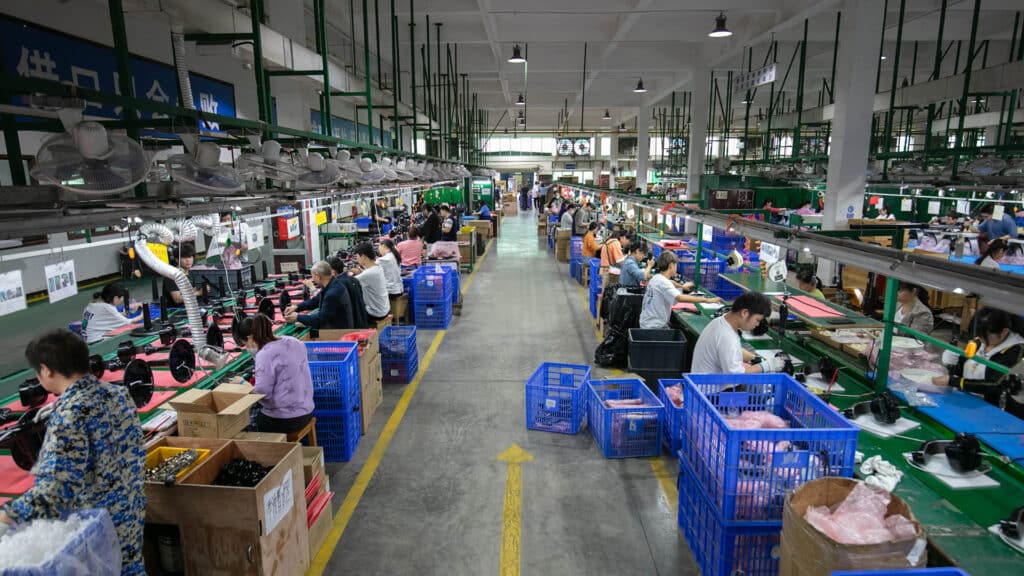
Danabayev estimates that about 20,000 of the roughly 40,000 Kazakhs living in South Korea live there illegally. Most work in construction, factories, or perform general labor.
Employers offer unofficial jobs in agriculture or at sea harvesting seaweed, where workers typically earn less and receive daily wages starting at about $100.

Is the money enough to live on?
Kim said he was able to live comfortably in South Korea without restricting himself. However, Danabayev points out that the cost of living is extremely high. Even many Koreans rely on credit; apartments in Seoul, for example, often start at $1 million.
For migrant workers, a minimal monthly budget looks like this:
- Housing (modest one-room apartment): about $400
- Food (basic): about $400
- Transportation: about $50
A minimum income of around $1,000 is enough to cover modest meals and a roof over one’s head — but not much else.
What problems might Kazakhs face in Korea?
For those in the country illegally, accessing medical care or resolving legal issues can be extremely difficult. The language barrier also poses challenges, especially in industrial cities where English is rarely spoken.