Code, power, and exile: The untold story of Pavel Durov and Telegram

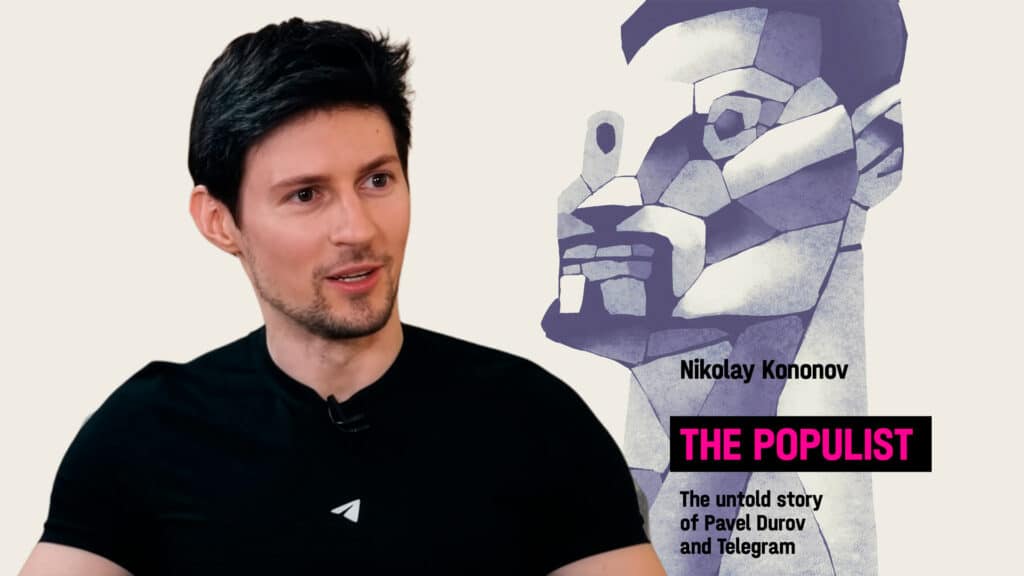
Pavel Durov has turned out to be quite different from the stereotypical tech bro he once seemed to be, says Russian journalist Nikolay Kononov. His new book, The Populist: The Untold Story of Pavel Durov and Telegram, has just come out. It follows his 2012 bestseller The Durov Code and draws on years spent observing Durov and Telegram as political phenomena.
Telegram’s global reach and controversy
Durov leads Telegram, a messaging service and vast media ecosystem boasting more than a billion users. Kononov notes it is now one of the world’s most controversial platforms, in part due to limited content moderation that attracts users seeking to avoid state oversight in any country. Building on this disruptive reputation, Telegram also attempted to break into global finance with its own cryptocurrency project, though this venture was shut down by U.S. regulators before launch.
Western perceptions of Telegram
Kononov writes that adults in Europe and the Americas commonly associate Telegram with the digital underground, intelligence agencies like the former KGB, and hubs for far-right activists, anti-vaccine groups, drug traffickers, and extremist networks.
A new framework: Cryptopopulism
The author claims to have identified Durov’s global strategy: «cryptopopulism» — a form of digital populism powered by decentralized technologies, libertarian ideals, and mass online mobilization. He argues that Durov hinted at this approach when he called himself «Totem» during a school graduation event.

After years following Durov, Kononov no longer sees him as just a tech entrepreneur or futurist. He now views Durov as a new type of populist who can reach audiences with sharply different, even conflicting, worldviews.
Durov as referee of the digital arena
Durov’s stated goal appears simple: to protect the platform where nearly any form of discussion is possible. He casts himself as an impartial referee, ensuring that debate can flourish. Yet, like other tech leaders, he operates within what Kononov calls a form of modern «techno-feudalism,» a system in which platform owners must continually find more sophisticated ways to extract revenue from users.
Risks of concentrated power
Kononov warns that this setup is increasingly dangerous. He argues that putting a platform for a billion users under one leader with right-libertarian leanings, influenced by social Darwinism and conspiracy theories, creates risks. Even if Durov claims to be neutral, Kononov says the beliefs shaping his decisions still matter.
A broader conversation about technology and populism
Kononov argues that the book captures a world breaking into tribes, shifting politically to the right, and dominated by populist rhetoric that uses emotion to influence. He contends that technology accelerates this by enabling direct appeals to individuals’ hopes, fears, and frustrations.
This moment, he writes, may require a reevaluation of our relationship to major digital platforms, artificial intelligence systems, and the powerful individuals who control them.
About the author
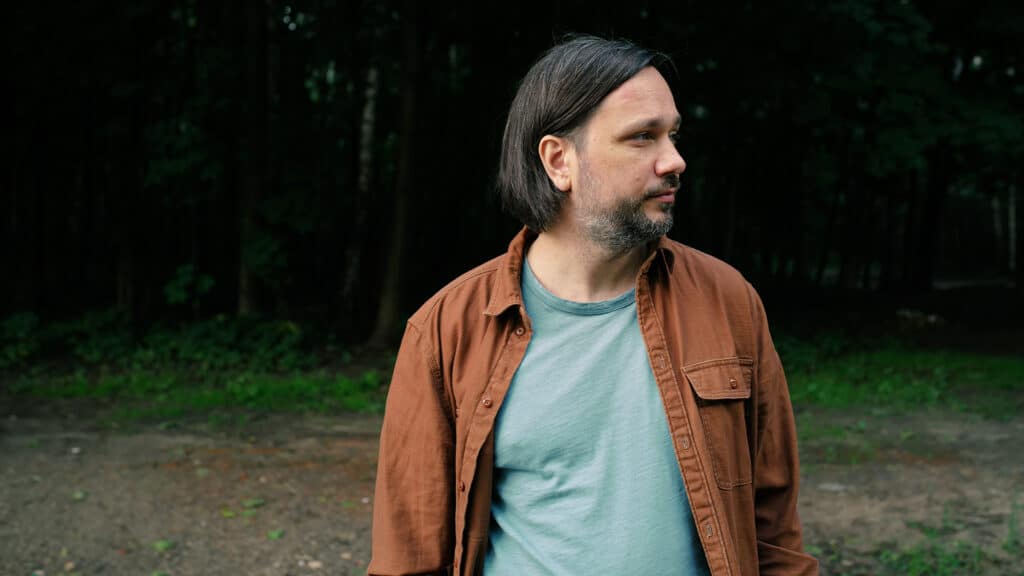
Kononov was born in 1980 in Moscow and is now based in Berlin. He studied journalism and political philosophy and worked as a reporter and editor for several independent Russian media outlets.