What really drives mass shooters: Mental illness isn’t the sole cause


The recent tragedy at Bondi Beach in Sydney, Australia, where two gunmen targeted people attending a Hanukkah celebration, serves as a grim reminder of the vulnerability of public spaces. While this incident involved a shooting during a Jewish holiday gathering, the underlying psychological and sociological factors often resemble those seen in attacks on schools, shopping malls and parades.
Contrary to popular belief, prior research in the U.S. suggests that severe mental illness (like psychosis) is rarely the sole cause. Instead, a complex mix of grievance, trauma, and a desire for notoriety typically drives these individuals.
The «grievance collector»
Most public attackers fit the profile of a «grievance collector» («injustice collector») — someone who nurtures deep resentments against specific groups or society at large.

- Personal failures: Attackers often blame others for their own failures in work or relationships.
- Misogyny: A significant subset of attackers is motivated by grievances against women. Research by Jason R. Silva found that nearly one-third of mass shootings in the U.S. from 1966 to 2018 were driven by specific or generalized misogyny. In many cases, a specific woman — such as a girlfriend, wife or a woman who rejected the shooter’s advances — was targeted before the attacker went on to kill others at random or for symbolic reasons.
The crisis point (suicidality)
The FBI and psychologists emphasize that these acts are often a final, performative suicide.
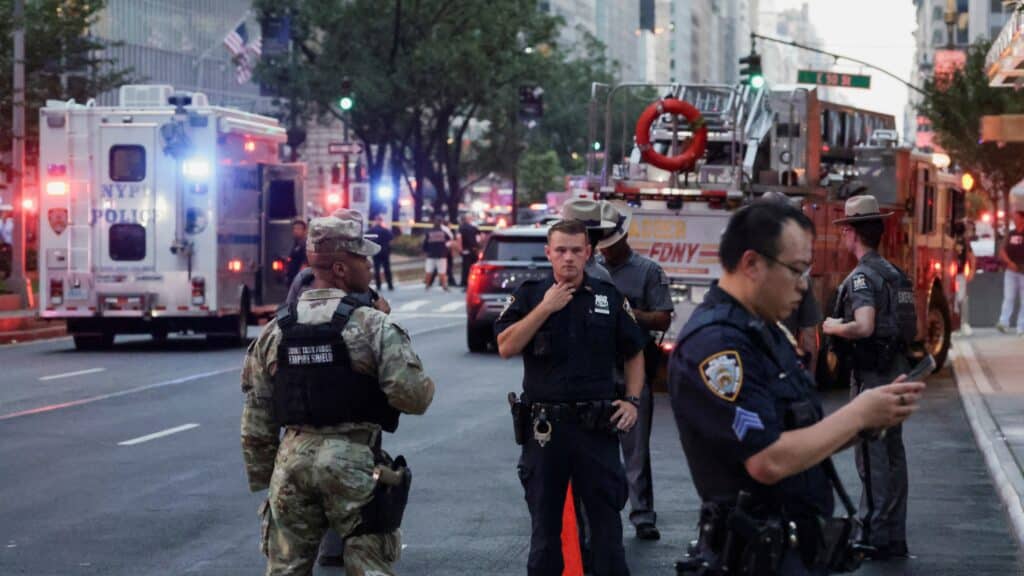
- «Suicide by cop.» The majority of mass shooters are suicidal and intend to die during the attack. The violence is a way to turn their internal pain outward, forcing the world to pay attention to their death.
- The pathway to violence: Attackers rarely «snap.» They often spend significant time contemplating violence, planning and preparing their actions, and frequently signaling their intent through warning signs (comments about hurting themselves or others, increasing isolation from family and friends, etc.) before carrying out an attack.
Notoriety and contagion
Notably, media coverage can inadvertently fuel future attacks. The «contagion effect» motivates isolated individuals to copycat previous shooters to achieve fame or «significance» that eluded them in life.
Conclusion
Understanding these motives shifts the focus from «madness» to prevention. By identifying «leakage» (warning signs shared beforehand) and addressing the underlying crises of grievance and suicidality, communities can intervene before a plan becomes a tragedy.