
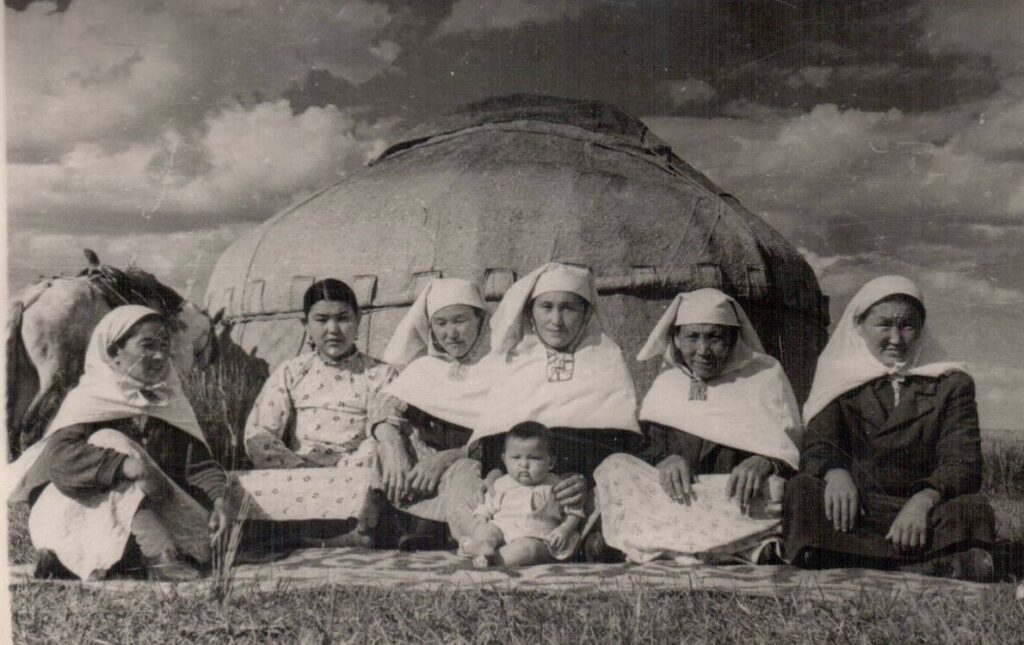
Kazakh ethnic designer Tilek Sultan sparked debate after receiving a custom order for a kimeshek, a traditional head covering for married Kazakh women with children.
While researching, Sultan noticed confusion between the kimeshek and the Islamic hijab. He raised the subject online, receiving swift, heated responses.
A question that sparked confusion
Sultan said a woman asked if he made kimesheks. When he asked if it was for a married woman, she said her daughter was a college student. She said her family wanted the girl to wear a «Kazakh hijab.»
The designer told her that only women who have given birth wear a kimeshek. He added that her daughter did not need one yet, but he would make one when appropriate. The woman then asked if a kimeshek and hijab were the same.
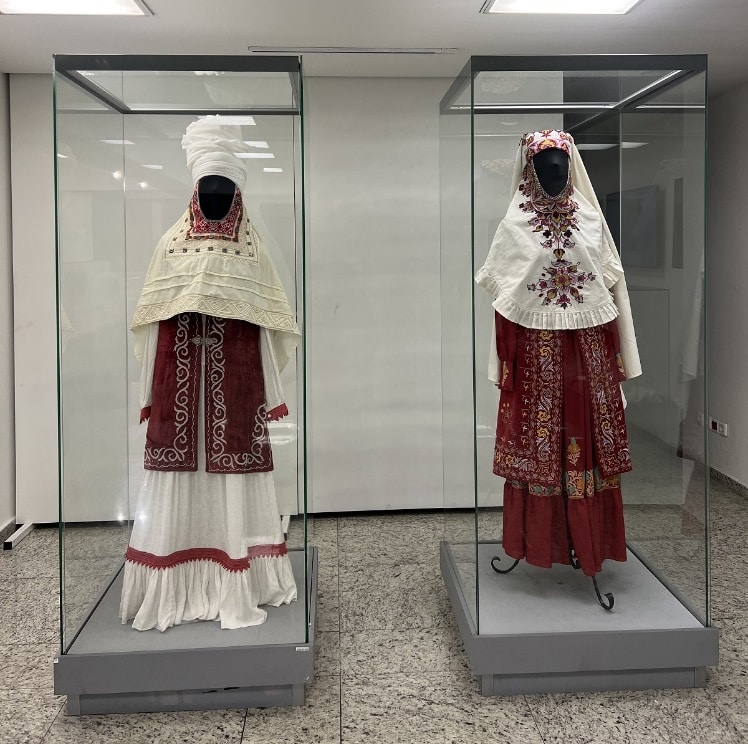
That question, Sultan later explained, highlighted the underlying confusion between cultural and religious forms of dress — a confusion that is becoming more common and that he feels is important to address.
What is a hijab?
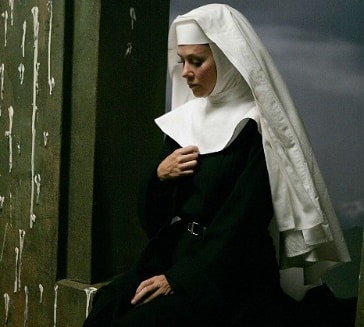
The word «hijab» comes from Arabic and means barrier or veil. Islamic teachings require girls who reach puberty to dress modestly around non-relatives. Guidance states that hijab clothing must cover the body, be loose and opaque, be modest in style, and be distinctly feminine.

Sultan emphasized that the hijab is a religious practice tied to age and faith, not to marital or maternal status, drawing a distinction with the kimeshek.
What is a kimeshek?
By contrast, the kimeshek is rooted in Central Asian tradition rather than religious doctrine. Sultan explained that a Kazakh woman traditionally begins wearing a kimeshek only after childbirth — a simple rule with deep cultural meaning.
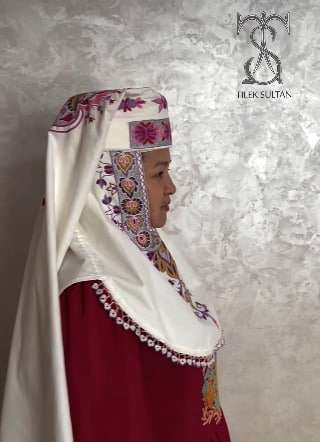
Ethnographer Olga Sukhareva, an expert in Central Asian traditions, documented this. Unmarried girls wore headgear showing their hair. Women covered their hair. This pattern appeared in the cultures of Kazakhs, Kyrgyz, and Turkmen, each with its own variations.
Sukhareva said this contrast symbolized a woman’s new life stage.
Motherhood, not marriage, marked the change
This nuance leads to another common misconception. The switch from a maiden’s headdress to a woman’s covering traditionally happened after motherhood, not marriage. Sukhareva noted this marked a woman’s new social status.
Women celebrated this transition quietly. The new mother received a kimeshek — a practical garment (designed to keep hair out of the way) for caring for a child and household.
A tradition older than Islam
Sultan highlighted that much of the steppe woman’s wardrobe predated Islam’s arrival in the region. The kimeshek is one such example. He argues that recognizing the difference between religious dress and cultural tradition is essential for preserving heritage and preventing the loss of meanings handed down through generations.