
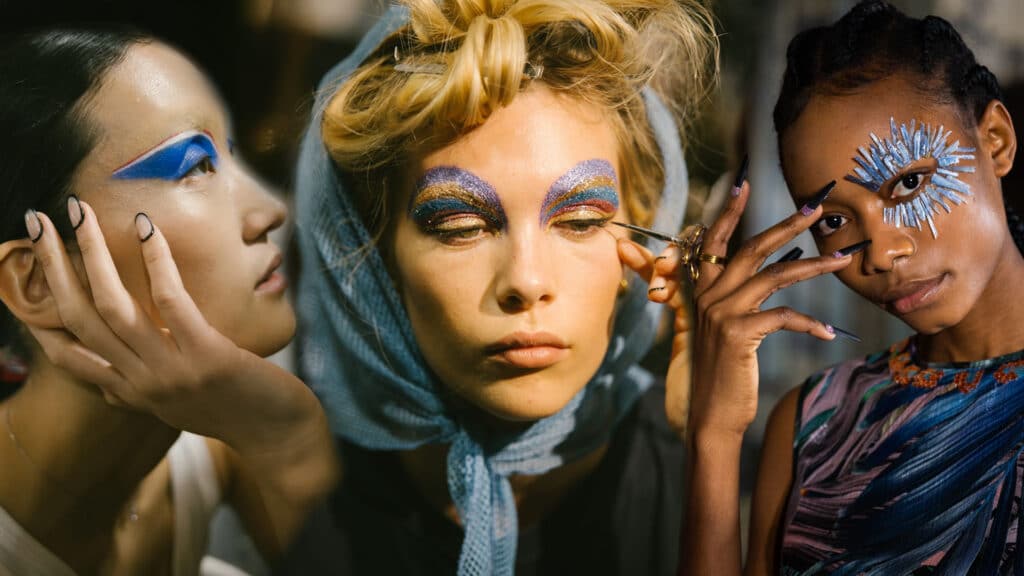
It’s easy to get swept up in beauty industry hype, as flashy marketing and a lack of clear information often blur the truth about how cosmetics work. To clear things up, Kursiv LifeStyle asked experts to help us bust five of the most persistent myths.
Myth No. 1: The more active ingredients, the better
When examining ingredient lists, keep in mind that concentration is more significant than the sheer number of active ingredients. Too much acid or too many actives, for instance, may dry out the skin or even damage its protective barrier.
The best move? Pick products tailored to your unique skin, instead of assuming that stacking ingredients leads to better results.
Myth No. 2: Preservatives in cosmetics are harmful
Preservatives play a vital role in keeping your cosmetics fresh and safe. Their presence means your products remain protected, not that they lack quality.
They play a crucial role in natural or «clean» beauty products, which can spoil quickly without protection. Some preservatives come straight from nature, like the fresh zing of tea tree oil, the spicy warmth of clove oil, aromatic rosemary extract, and powerful vitamin E.
Myth No. 3: Vegan and cruelty-free mean the same thing
It’s easy to mix up the «vegan» and «cruelty-free» labels, but they aren’t the same at all.
Vegan cosmetics proudly exclude all animal-derived ingredients, such as milk, honey, and beeswax. Meanwhile, cruelty-free products avoid animal testing but may still contain animal-derived ingredients.
Myth No. 4: Silicone damages hair
Experts agree: most silicone-based hair products are safe and effective. These silicones transform hair, making it shinier, smoother, and more manageable — all while protecting against heat and sun exposure.
Volatile or water-soluble silicones either vanish or rinse out easily. Only the heavy-duty types need an extra-thorough wash — think professional shampoos or salon care.
Myth No. 5: Sulfates and parabens harm the skin
Despite widespread concern, sulfates and parabens have been used in cosmetics for nearly a century. In modern formulations, they are present at very low concentrations — typically less than 1%.
Numerous studies have confirmed their safety, and, what’s more, parabens naturally occur in many of the foods we enjoy every day, including strawberries, beans, and green tea.