The real Atlantis? Massive underwater ruins uncovered by French scientists

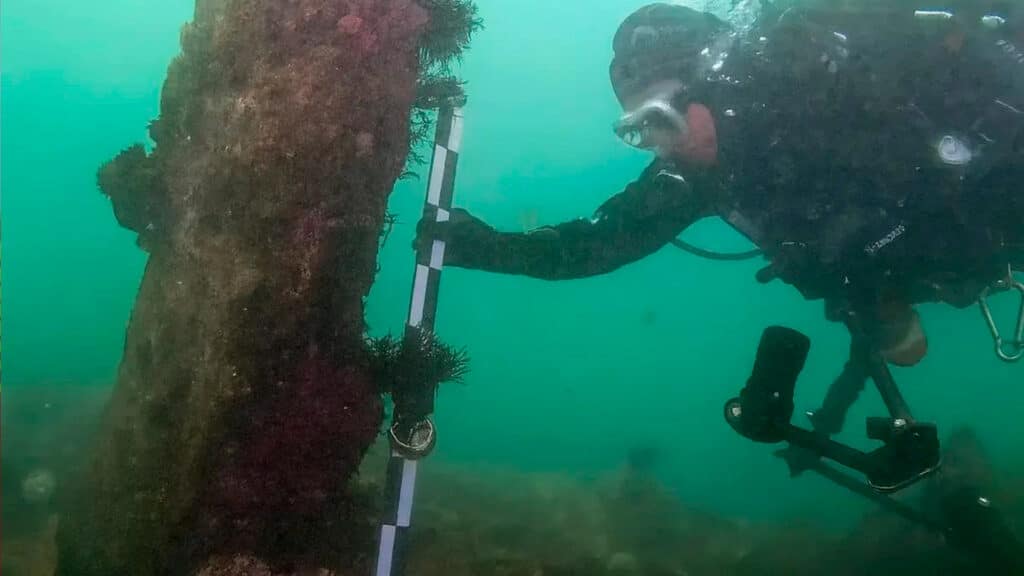
Researchers have identified submerged remnants of massive stone constructions built by human communities more than 7,000 years ago off the coast of France. The findings, detailed in a recent study in the International Journal of Nautical Archaeology and highlighted by 404 Media, shed new light on early coastal societies in Western Europe.
Submerged ruins near Sein Island
The underwater remains lie close to Sein Island, a small Breton island in the Atlantic Ocean. Composed primarily of granite, these submerged features rank among the earliest known large-scale stone constructions in France. Their existence may even be connected to the long-standing regional myth of Ys, a legendary city said to have been swallowed by the sea.
Possible functions of the stone features
Archaeologists believe some of the stone arrangements may have functioned as fish traps, while other imposing elements—such as monoliths and broad stone slabs—rise nearly six feet above the seabed and stretch for roughly 400 feet. These elongated formations could have served as a form of seawall or coastal barrier, designed to protect shoreline activities in a time when sea levels were lower.
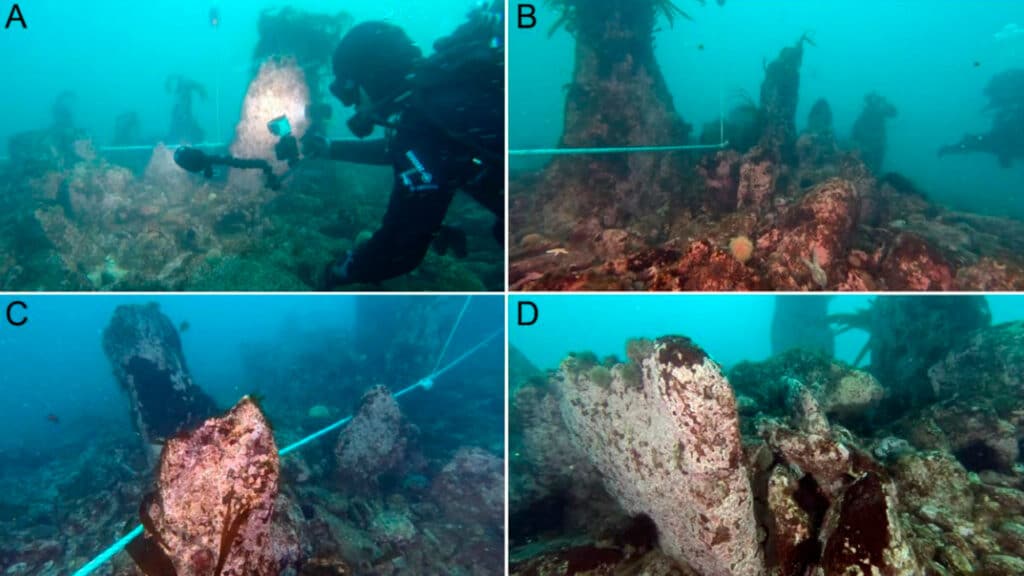
Insights into early coastal societies
The discovery offers valuable insight into communities living in Brittany during the transition from the Mesolithic to the Neolithic era. This was a transformative period marked by a gradual move away from nomadic hunting and gathering toward more permanent settlements, increased reliance on fishing and farming, and the construction of large stone monuments.
Skilled builders and seafarers
Constructing such extensive stone works would have required a well-organized society with sufficient population and coordinated labor. Moreover, these early inhabitants must have possessed advanced maritime knowledge. The waters surrounding Sein Island are known for powerful currents and rough conditions, factors that help explain why this underwater archaeological landscape has remained largely unexplored until now.