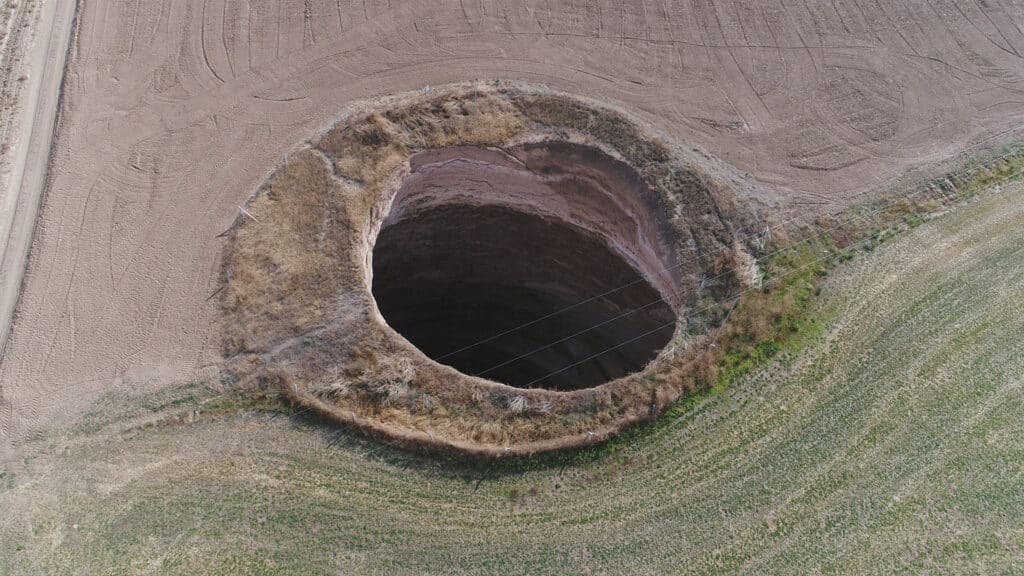
In the Konya province of Turkey — an area producing maize, wheat and sugar beet — farmers report that sinkholes are appearing more often. In Karapınar, for example, it’s not rare for a cultivated field to have a large cavity in it, according to Reuters.
Scientists researching the problem say it is getting worse. Geologists at Konya Technical University report that almost 700 sinkholes have been recorded in the Konya Basin so far. Many have appeared just in the last 10 years.
Experts believe this trend is the result of prolonged droughts, higher temperatures and a significant drop in underground water levels. As rainfall decreases, many farmers have turned to drilling more wells, often without proper licenses, further depleting already scarce water resources. Experts warn that unregulated water extraction increases the risk of future land collapse.
Although no deaths have been reported so far, sudden sinkholes constantly threaten people, animals and equipment. Some farmers reported hearing rumbling before the ground collapsed. Geological surveys can locate at-risk zones, but no one can predict when a new sinkhole will form.
Environmental experts say this problem highlights a broader challenge for Turkey’s agricultural sector and even its largest city, Istanbul, which also reports increasing water scarcity.
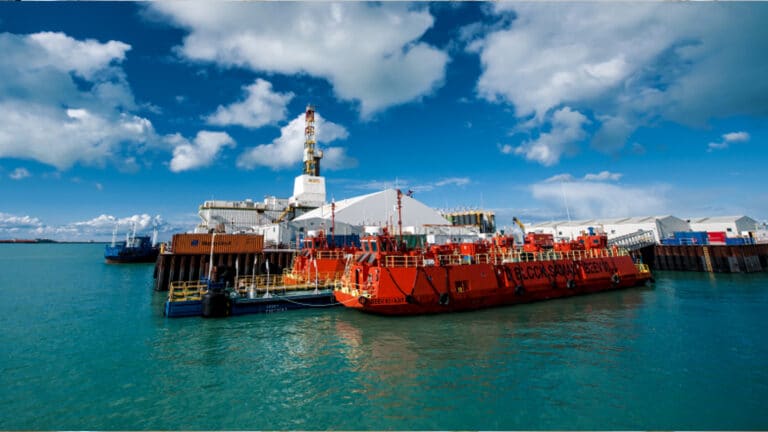
Meanwhile, Turkish businessmen are investing millions of dollars in agriculture elsewhere. Thus, a Turkish group of companies allocated $150 million to construct a greenhouse park covering 200 hectares in Kazakhstan’s Shymkent. ESTA Construction will also build a new $1.3 billion fertilizer manufacturing plant in the country’s Mangystau region.