
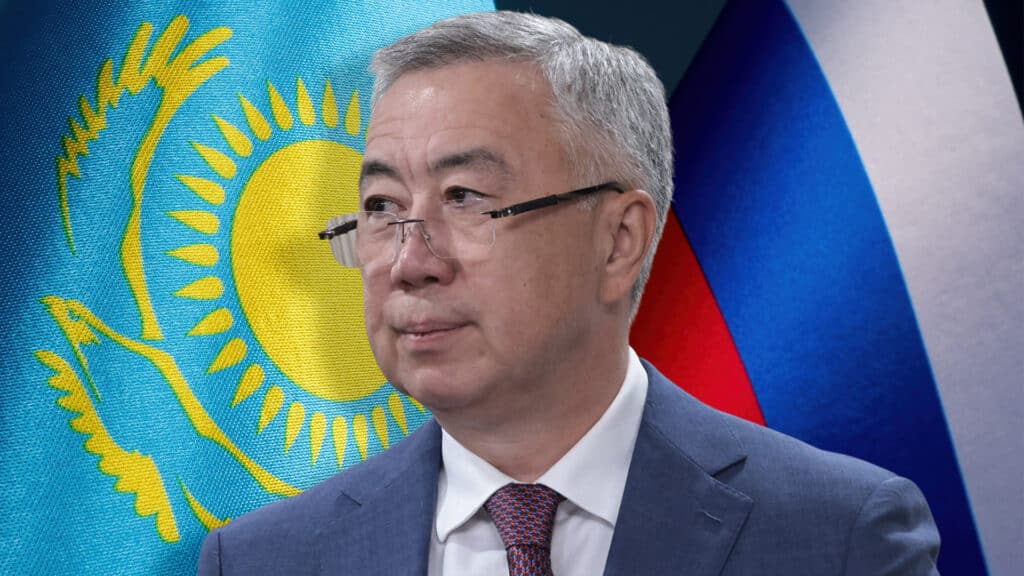
Kazakhstan’s Minister of Economy Serik Zhumangarin has compared upcoming value-added tax increases in Kazakhstan and Russia, saying the process moved more slowly at home because of extended discussions with businesses and the public.
Speaking at a recent press briefing, Zhumangarin was asked about the effectiveness of Kazakhstan’s tax reform. He said he takes personal responsibility for its implementation and emphasized that the policy is not experimental.
‘Not an experiment,’ minister says
«This is not some kind of fortune-telling,» Zhumangarin said. «Institutions and the best specialists in this field have been working on it.»
He pointed to Russia as an example, noting that the country plans to raise its VAT rate from 20% to 22% starting next year. Russia also increased its corporate income tax from 20% to 25% last year.
«This is a common phenomenon in global practice,» Zhumangarin said. «But in Kazakhstan, we have been discussing this reform with businesses and with society for an entire year.»
Slower process, broader debate
According to the minister, similar tax increases in other countries are often approved quickly and without public debate. Kazakhstan’s approach, he said, was deliberately more measured to allow for consultation and consensus-building.
New Tax Code takes effect in 2026
Kazakhstan is set to introduce a new Tax Code in 2026. The reforms include raising the VAT rate from 12% to 16% and revising the conditions for special tax regimes.