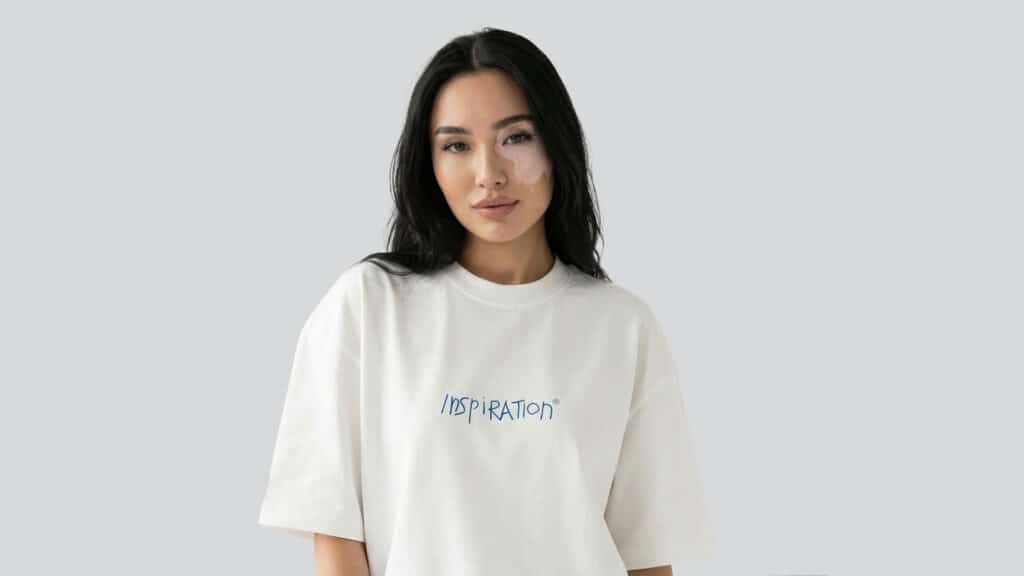
A young woman named Ailin, known for her distinctive appearance, recently gained attention in Kazakhstan’s online community. In her videos, she told viewers about being bullied at school for vitiligo — a condition that causes areas of skin to lose color — and about how she learned to accept herself. The story quickly resonated with users, who described her as inspirational and brave in the comments section.
Her Instagram bio stated that she was from Ust-Kamenogorsk and that her content focused on learning to love oneself. Over four days, the account garnered more than 22,000 followers and her videos accumulated over 9 million views, while collaboration offers began arriving via direct messages. Ailin was also noticed by other content creators and television channels.
However, a man named Alexei later uploaded a video stating that he was behind the image of Ailin. It turned out that she was a high-quality AI-generated model created as part of an experiment.
Reactions to the reveal were mixed, with some users admiring the technical quality, while others expressed dissatisfaction at having felt deceived.
Separately, McDonald’s removed its AI-generated Christmas advertisement in the Netherlands following negative public reaction and criticism over its use of generative AI.