Protests intensify in Iran as authorities cut internet and phone communications

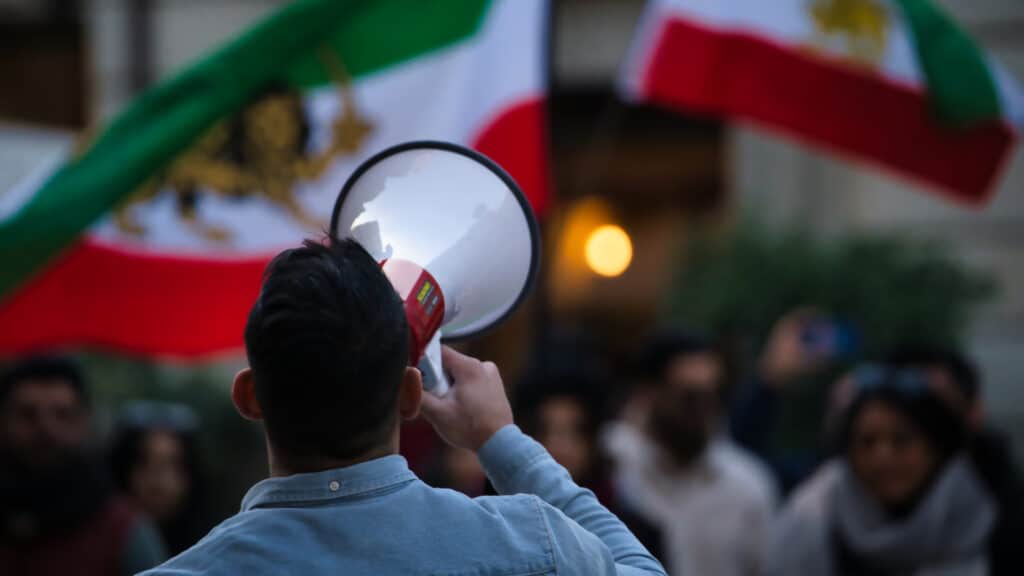
Iranian authorities shut down internet access and international telephone connections late Thursday as protests expanded across the country following a call for demonstrations by exiled crown prince Reza Pahlavi, the Associated Press reported.
Iran has faced growing unrest since late December, following the collapse of its currency amid economic strain. Protests began soon afterward, with demonstrators chanting against the country’s clerical leadership and economic conditions. Over the following weeks, demonstrations spread to cities and rural towns, accompanied by the closure of markets and bazaars.
By Thursday, violence linked to the unrest had killed at least 42 people and led to the detention of more than 2,270 others, according to the U.S.-based Human Rights Activists News Agency. Iranian media also reported attacks on security forces, including fatal stabbings, shootings and assaults on police stations in several provinces.
Against this backdrop, Pahlavi called for nationwide demonstrations at 8 p.m. local time on Thursday and Friday. When the scheduled time arrived, residents in Tehran and other cities began chanting from their windows and gathering in the streets, according to witnesses. Slogans included calls against Iran’s ruling system, while some demonstrators voiced support for the former monarchy, praising the shah.
Later Thursday night, Iran experienced a near-total communications blackout. Internet monitoring firm Cloudflare and advocacy group NetBlocks reported a nationwide outage, attributing it to government interference. International calls to Iran could not be completed, and such shutdowns in the past have often preceded intensified crackdowns.
Pahlavi said the blackout was a response to public demands for freedom and urged European governments to join Donald Trump in pressuring Iranian authorities to restore communications.