Kazakhstani minister highlights the country’s economic resilience


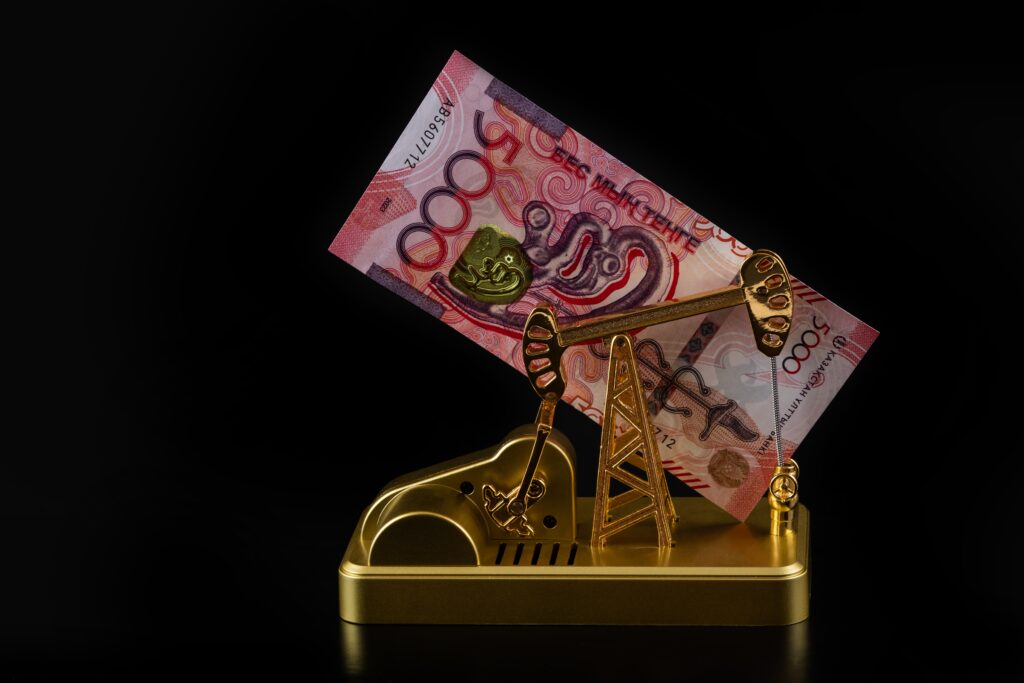
Kazakhstan’s oil industry has reached a production plateau, meaning it is not expected to have a decisive impact on the country’s economic growth in the coming years, according to Deputy Prime Minister and Minister of National Economy Serik Zhumangarin.
He noted that despite fluctuations in global oil prices, budget revenues remain significant, allowing the government to maintain financial stability. However, oil’s contribution to GDP growth will gradually decline.
«Even though oil prices have fallen by $12 to $14, our economy could still have grown by 6.5%. If prices had been higher this year, the government would have been in a completely different financial situation,» Zhumangarin said.
He emphasized that there are «both external and internal pressures» that the authorities must deal with in their day-to-day work. Speaking about internal pressures, he elaborated that these primarily stem from activity on social media, where, amid discussions of complex socio-economic issues, panic and superficial assessments often arise.
«We already saw this during COVID-19. Unfortunately, the average person is not keen to make the effort to understand even basic expert analysis. On the other hand, economists already knew back in the summer that there were no threats to the country’s financial and economic stability. We made the right decision,» Zhumangarin underlined.
According to the minister, the inflationary factors the economy is facing are not long-term. However, due to public sentiment, the government is sometimes forced to adopt populist measures.
At the same time, the current situation creates real opportunities to escape the «middle-income trap.» This would involve developing domestic industry and launching high-value-added production, thereby reducing Kazakhstan’s dependence on the natural resources sector.