
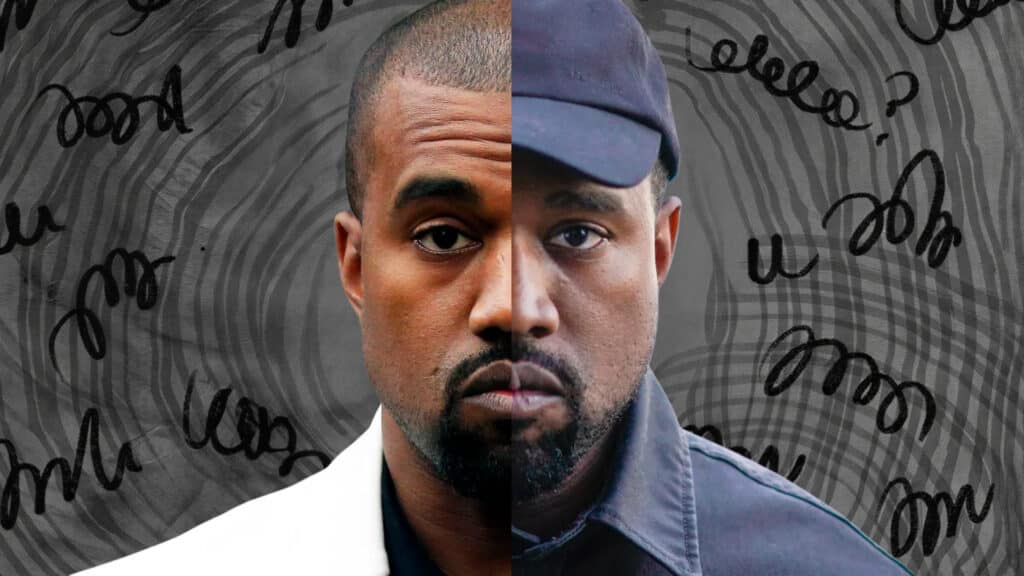
Kanye West, now known as Ye, has given new momentum to antisemitic voices worldwide. Calling him simply a rapper or hip-hop artist understates his influence, as he remains one of the most consequential cultural figures not only in the U.S. but across the globe, according to Isaac Saul of Tangle.
A public apology amid controversy
Last week, West purchased a full-page ad in The Wall Street Journal in which he apologized for antisemitic remarks and rejected accusations that he is a Nazi. He attributed his behavior to a manic episode, writing that he had lost touch with reality, a condition he linked to Bipolar disorder, diagnosed back in 2016.
From early defenses to growing concern
Saul noted that he first addressed West’s antisemitic statements in 2022, when the artist began openly engaging with antisemitic ideas. At the time, Saul said he offered limited defenses, urging audiences to recognize that some of the stereotypes West referenced were tied to issues society should be able to discuss openly.
Escalation and reversal
In the years that followed, West’s rhetoric grew more extreme. He issued an apology in 2023, only to later retract it.
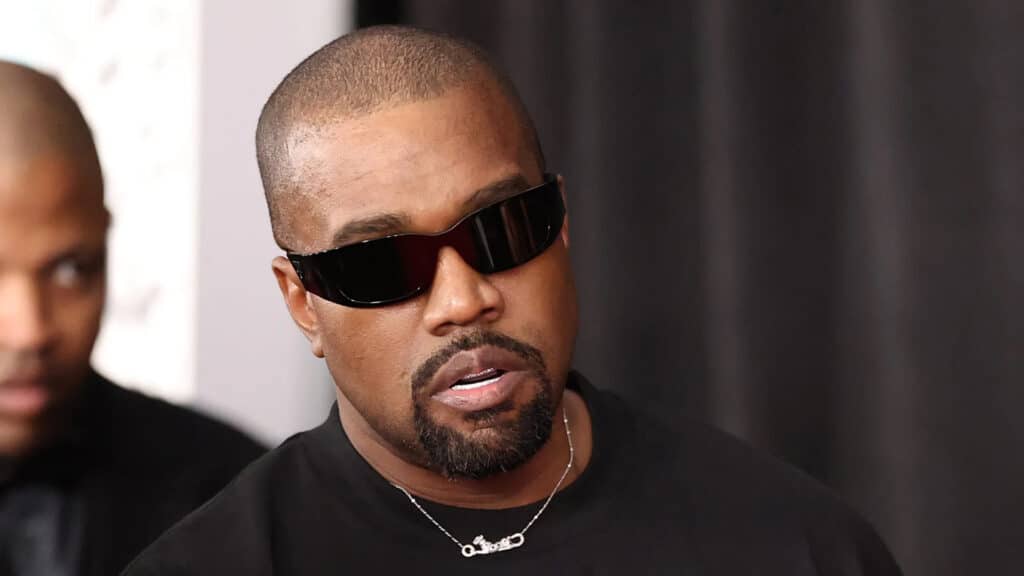
By 2025, he had resumed posting Nazi imagery and propaganda on social media. At that point, Saul said he stopped defending West altogether, instead holding him responsible for fueling antisemitism among his followers and contributing to its broader normalization.
Skepticism toward contrition
Saul argued that the current social and political climate offers little space for redemption, and even less for reconciliation. West’s apology has been met with widespread skepticism, particularly given its timing just ahead of an album release. Critics have also questioned the reliance on a medical explanation for repeated antisemitic and conspiratorial statements.
Industry response and criticism
One prominent reaction came from Ari Ingel, David Renzer, and Steve Schnur, leaders of Creative Community for Peace, an organization that works with entertainment industry figures to promote peace initiatives. In an opinion piece published in The Hollywood Reporter, they wrote that mental illness or neurological injury may help explain poor judgment or impulsive behavior, but does not account for the sustained embrace of extremist ideology or excuse the spread of hate.
They emphasized that the vast majority of people living with bipolar disorder or traumatic brain injuries do not glorify Adolf Hitler, use Nazi symbols, or promote antisemitic conspiracy theories. The authors also suggested that West’s framing risks stigmatizing people with mental illness by associating them with actions they overwhelmingly do not commit.
The limits of apologies
The activists underscored that meaningful accountability requires more than a written statement. It demands consistent, long-term actions, particularly when harmful behavior has persisted for years and produced real-world effects. Organizations that monitor antisemitism have documented links between inflammatory rhetoric from high-profile figures and increases in harassment and violence, highlighting the stakes of such public conduct.