When jokes become crimes: Why the global crackdown on comedians is accelerating

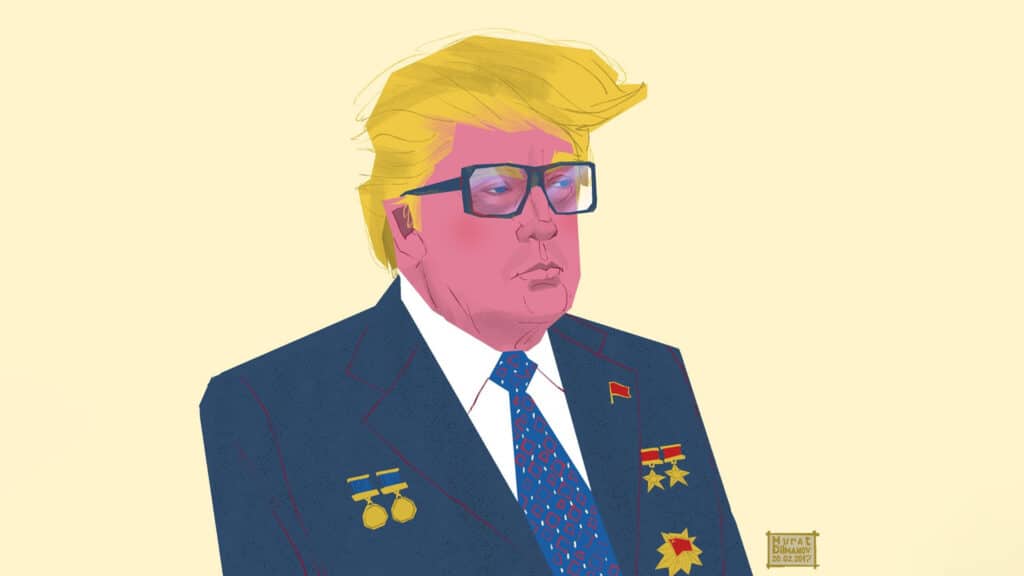
When an audience laughs at a taboo joke, they aren’t just sharing a moment — they’re finding solidarity in their dissent. In that instant, George Orwell’s words ring true:
«Every joke is a tiny revolution.»
For many entertainers, the stage is a place of freedom. For those living under — or near — the shadow of authoritarianism, however, a microphone can be a dangerous liability. Nurlan Saburov, once among the most successful comedians in the Russian-speaking world, recently learned this the hard way.
A native of Kazakhstan who built his career in Russia, Saburov was banned from the country for 50 years following alleged migration and tax violations, though observers suggest political motives.

Now back in Kazakhstan, he faces a potential 12-year prison sentence on accusations of financing Russian mercenaries — a charge that surfaced after he attempted to maintain his career amid the war in Ukraine.
Pressure on political satire
Saburov’s downfall reflects a broader global pattern in which strongman leaders use legal and regulatory tools to silence those who mock them.
In the U.S., late-night host Jimmy Kimmel was suspended by ABC after a monologue criticizing conservatives’ reaction to the death of political activist Charlie Kirk.
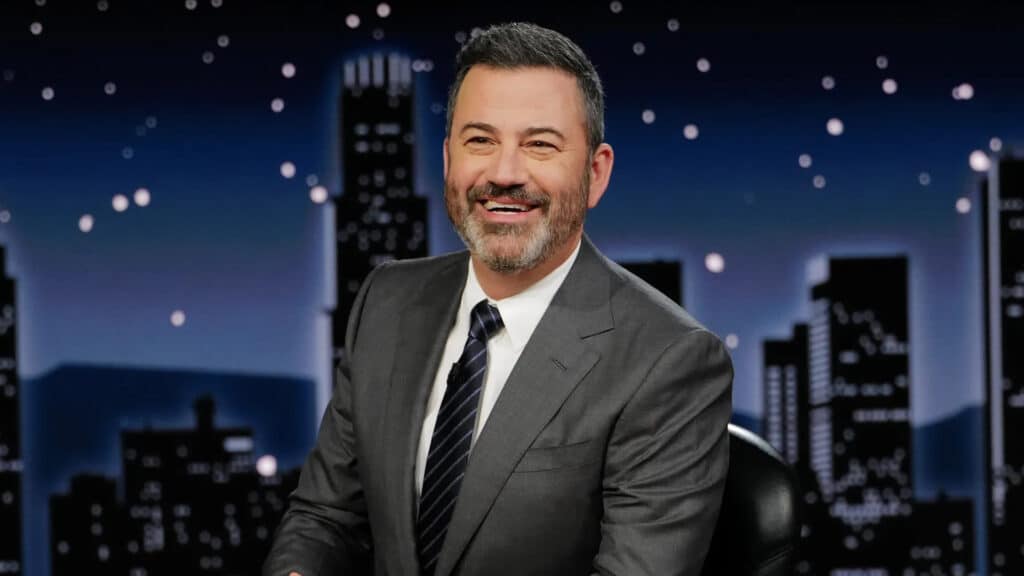
The move followed pressure from federal regulators, where officials suggested broadcasters must step up to remove content that does not serve the public interest.
Similarly, Stephen Colbert saw his show canceled in what was described as a financial decision, though the move was publicly welcomed by Donald Trump.
A familiar authoritarian playbook
Such suppression has long been associated with authoritarian rule. In Russia, the satirical television show «Kukly» («Puppets») was pulled from the air in 2002 after portraying Vladimir Putin in an unflattering light. Its head writer, Viktor Shenderovich, was later labeled a «foreign agent» and forced into exile.
In Kazakhstan, even a single joke can prompt a police investigation. Journalist Askhat Niyazov, for example, faced accusations of «inciting national discord» over a crude joke about a traditional hat.
Why dictators fear laughter
Satirists present a unique threat because they reveal that claims of greatness are often illusions. Humor validates the perceptions of the oppressed, confirming they are not imagining the reality behind propaganda.
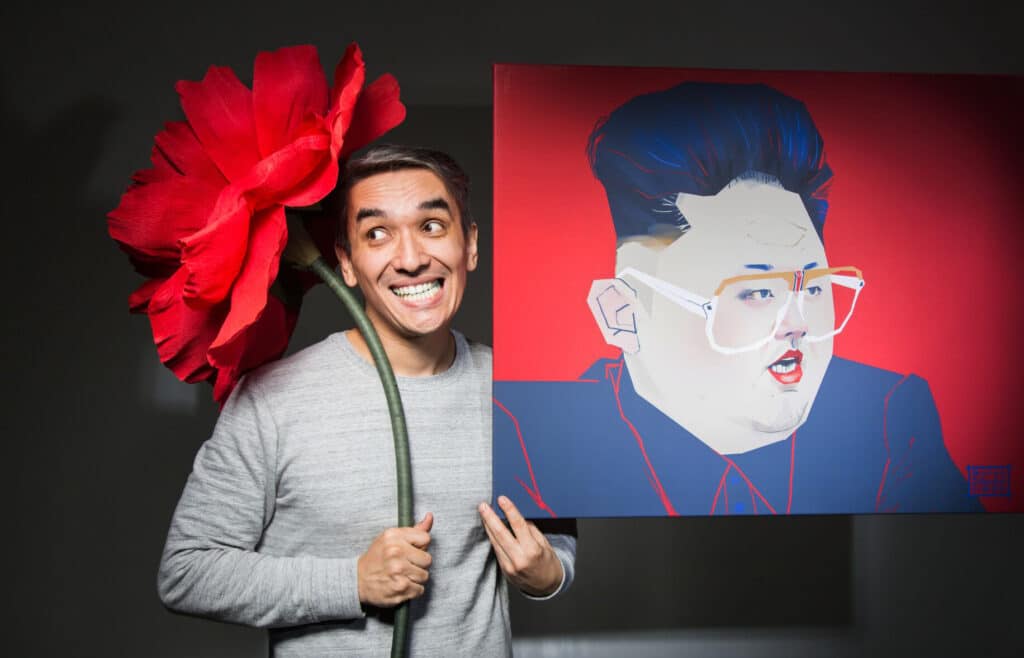
Because fear is the authoritarian’s primary tool, satire is especially dangerous: it exposes how fragile that fear truly is. When laughter begins, the strongman’s aura of power starts to crack. Authoritarianism depends on deference and obedience — and a joke reminds audiences that a leader is not a god, but a flawed human being.