
Political tandems are often born from a need for stability during periods of transition. But in centralized systems of power, there is ultimately room for only one dominant leader.
The political trajectories of Kyrgyzstan, Kazakhstan and Russia suggest that dual-leadership arrangements are inherently temporary — fragile bridges that tend to collapse under the pressures of centralization and the pursuit of a single monopoly on authority.
Kyrgyzstan: Collapse of the tandem
The political alliance between Kyrgyz President Sadyr Japarov and powerful security chief Kamchybek Tashiev — once described as an «inseparable tandem» — fractured in early 2026 when Japarov dismissed his longtime ally.
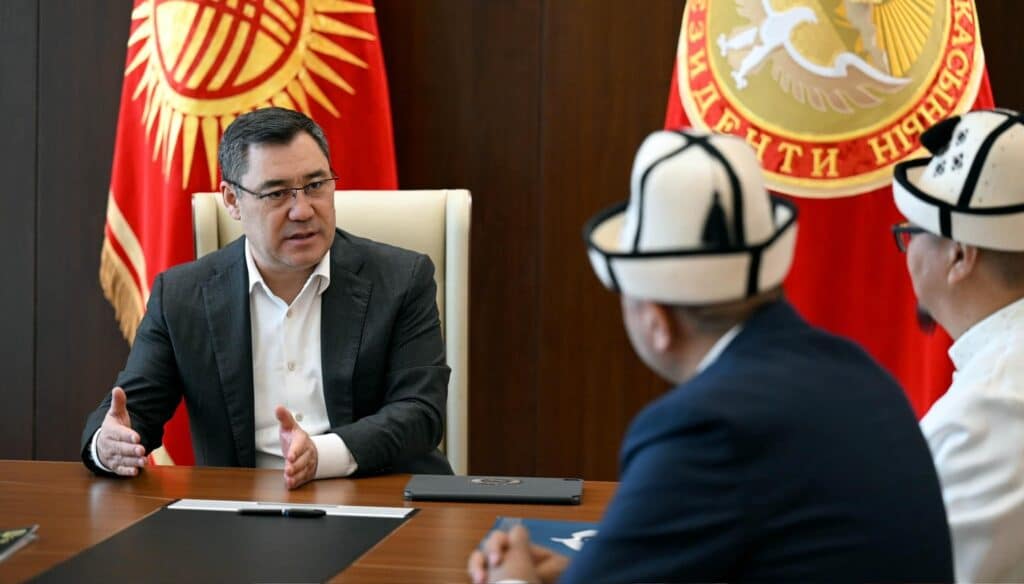
The move ended their influential five-year partnership and signaled a major consolidation of presidential power, dismantling the dual-leadership structure that had shaped Kyrgyz politics since 2020.
For years, the two projected a united front arguably rooted in populist nationalism. Over time, however, the balance shifted as Tashiev’s security apparatus expanded into what critics described as a «state within a state.»
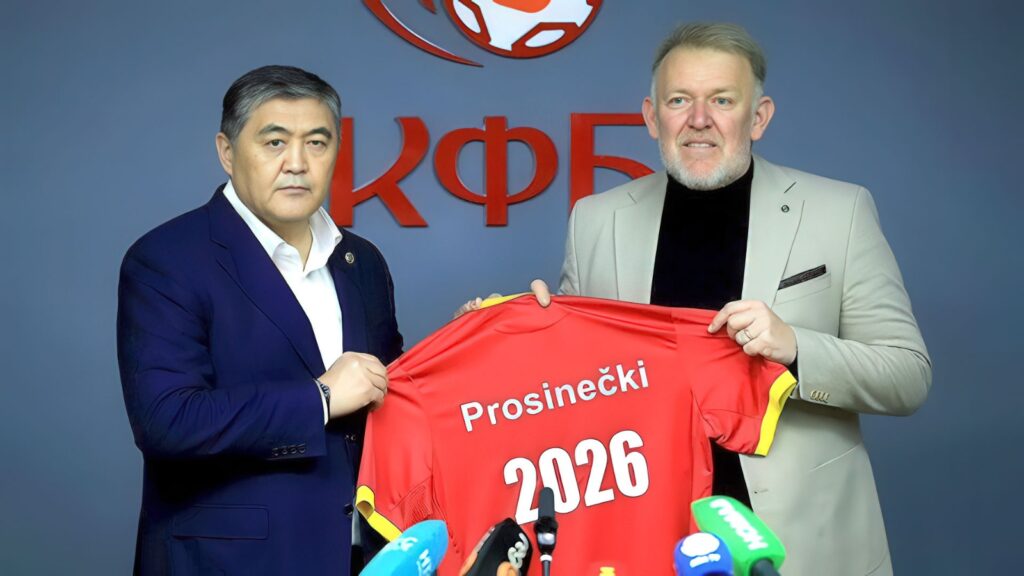
As similar episodes in the region suggest, when one figure in a ruling tandem begins to overshadow the other, the system often resolves the imbalance by removing one partner.
Kazakhstan: The 2022 rupture
Kazakhstan’s 2019 transfer of power functioned as a real-world experiment in tandem governance.
Nursultan Nazarbayev stepped down as president but retained the title of Elbasy, or «Leader of the Nation,» and continued to chair the Security Council, while Kassym-Jomart Tokayev assumed the presidency.
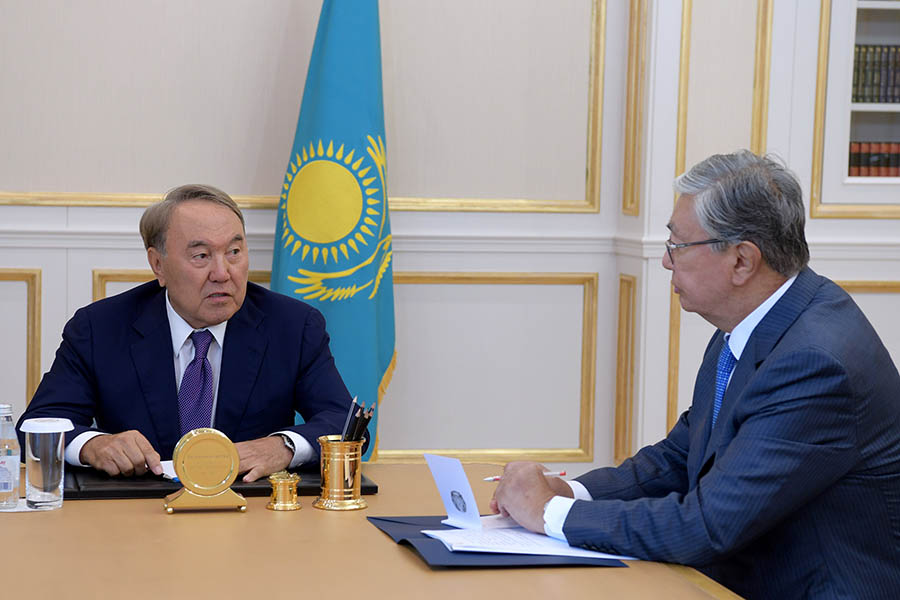
This dual-power arrangement persisted until the unrest of January 2022, widely known as Bloody January, exposed the risks of competing centers of authority. Tokayev used the crisis to dismantle Nazarbayev’s remaining influence, stripping him of formal privileges and removing relatives from key economic sectors.
Read also: Tokayev claims he knows who was picked to replace him in 2022.
Kazakhstan has since shifted toward a stronger presidential model, underscoring that mentor-protégé tandems tend to serve as transitional mechanisms rather than durable political systems.
Russia: Managed castling, 2008-2012
The leadership arrangement between Vladimir Putin and Dmitry Medvedev is often portrayed as a successful tandem, largely because it never functioned as genuine power sharing.
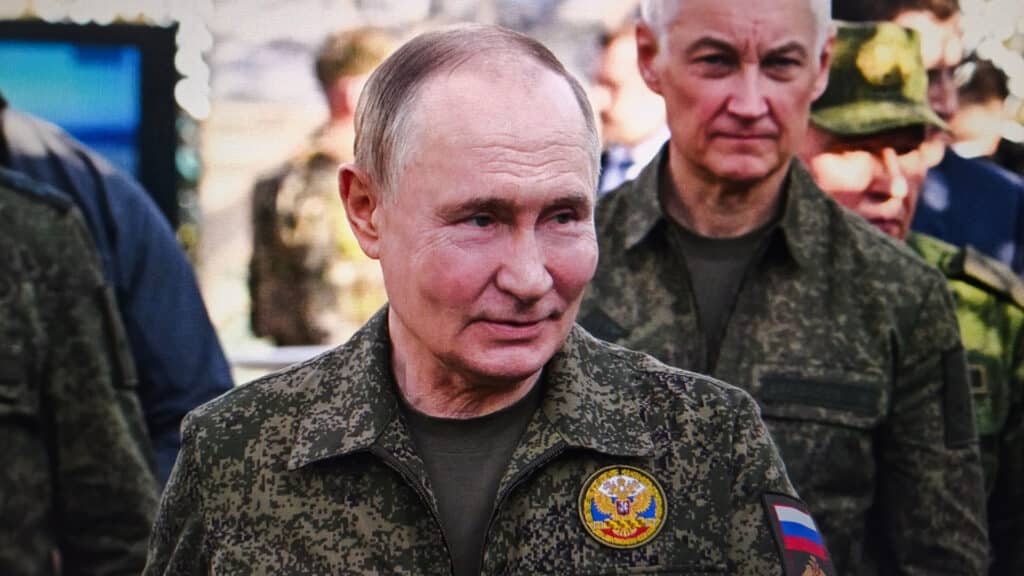
Instead, the rotation — commonly described as political «castling» — allowed Putin to comply formally with constitutional term limits by serving as prime minister from 2008 to 2012 before returning to the presidency.
Even within this controlled framework, mild ideological differences — Medvedev’s emphasis on modernization versus Putin’s focus on stability — created friction among elites. When Medvedev signaled limited foreign-policy independence, including during the 2011 intervention in Libya, the arrangement seemingly ended.
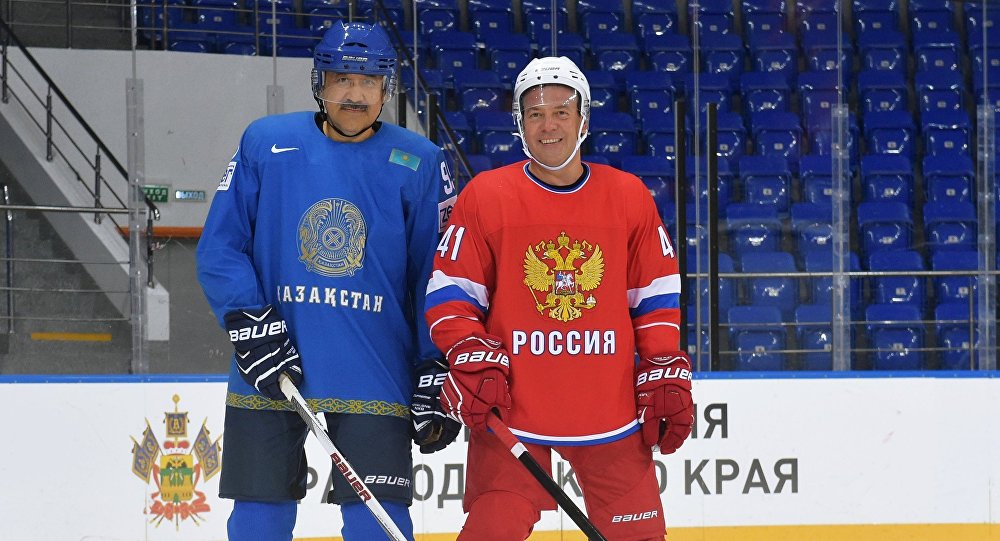
Medvedev’s subsequent marginalization reinforced a broader lesson of Russian politics: placeholder leaders remain useful only as long as they avoid developing independent political weight.
Why tandems tend to fail
Dual-leadership systems frequently generate elite fragmentation. In political environments where loyalty is the primary currency, officials are pressured to choose sides, transforming competition into a zero-sum struggle.
As recent events in Kyrgyzstan illustrate, the shift from shared authority to a single dominant leader is not merely common — it is often structurally inevitable. A system guided by two drivers, sooner or later, risks veering into the ditch.