
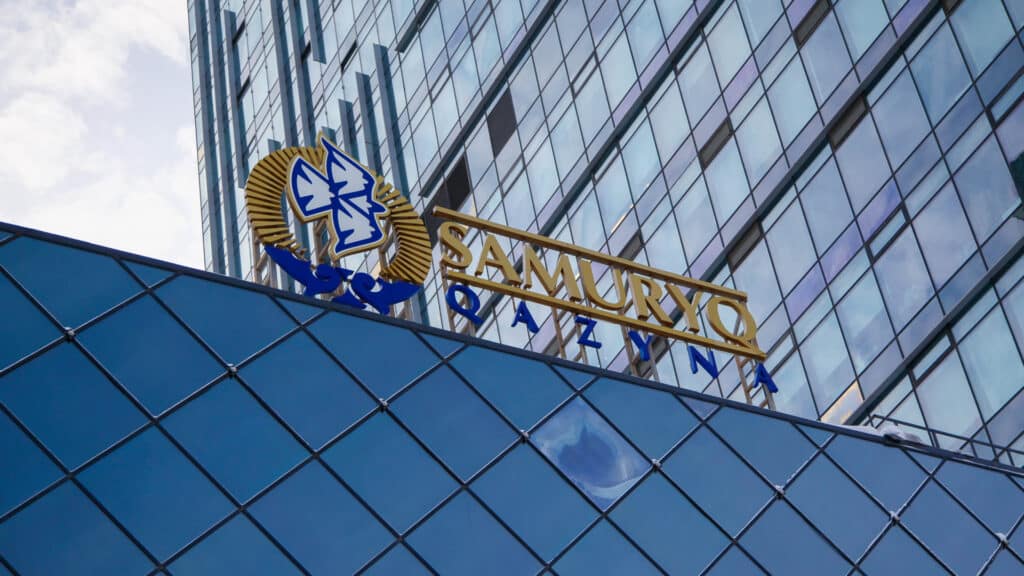
Kazakhstan’s sovereign wealth fund Samruk-Kazyna plans to cut about 650 employees, according to the fund’s CEO Nurlan Zhakupov. The move follows criticism from President Kassym-Jomart Tokayev over what he described as an excessive number of administrative staff in the capital.
Layoffs to target administrative staff in Astana
Zhakupov said the fund will reduce its administrative and management workforce by roughly 10%, adding that all corporate decisions related to the layoffs have already been approved.
Read also: A house divided: Kazakhstan’s government at odds with its own wealth fund reform.
He said the process will be carried out in accordance with labor laws and is expected to be completed by the end of March.
The reductions will affect only administrative and managerial employees based in Astana. According to Zhakupov, Samruk-Kazyna employs about 6,500 people in the capital, meaning approximately 650 positions will be eliminated.
Tokayev’s criticism of «left-bank» officials
The decision follows sharp remarks by Tokayev during an extended government meeting on Feb. 10, when he criticized executives of national companies and the sovereign wealth fund for maintaining what he called an oversized bureaucracy.
Read also: Bureaucracy in pictures: A global tour with Jan Banning.
The president referred to so-called «left-bank» officials — a colloquial term for white-collar employees working in Astana’s modern administrative district, where government institutions and state-owned companies are headquartered.
Read also: Kazakh wealth fund’s AI board member has no real power, lawmaker says.
Tokayev said many of these employees spend working hours in hotel lobbies and cafes rather than performing their duties, citing lunchtime gatherings as an example of inefficiency.