

An investigation by Swedish journalists has revealed how the artificial intelligence behind the Ray-Ban Meta smart glasses is trained. According to the report, many photos and videos captured by the glasses are reviewed not only by algorithms but also by real people — employees of a contractor in Kenya who manually analyze the recordings.
Read also: Erotic chatbot users created explicit AI content from non-consensual pictures.
The findings suggest that human reviewers help train the system to recognize objects and respond to user requests by labeling details in images. Much of this work is handled by Sama, a data-labeling company based in Nairobi.
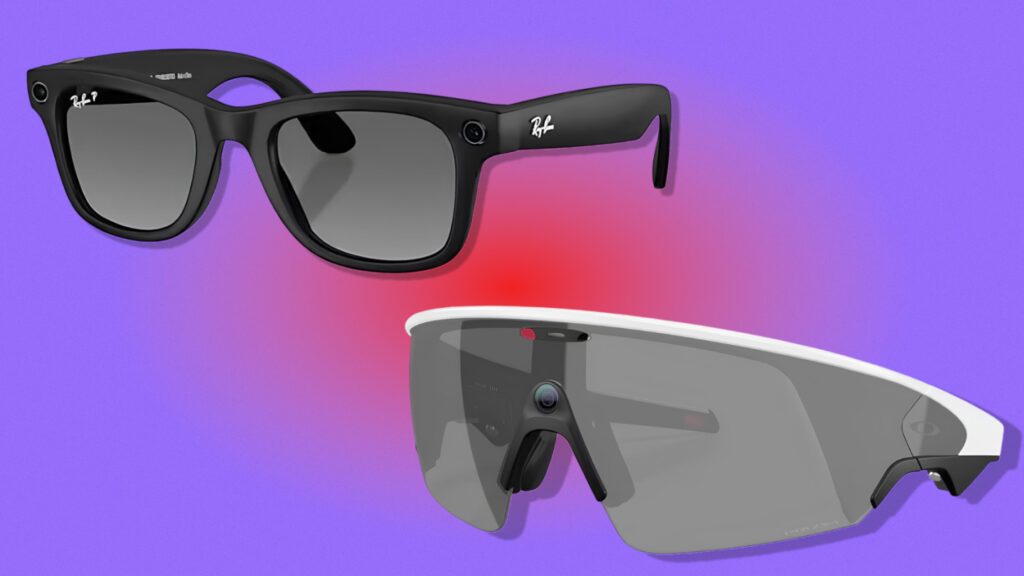
Workers receive images and video clips recorded by the smart glasses and tag elements such as people, road signs, vehicles and everyday objects.
These annotations help improve the AI systems developed by Meta Platforms so the glasses can better interpret what users see and respond to voice commands.
Personal footage sometimes appears in recordings
However, moderators reportedly encounter highly personal content alongside ordinary footage. Former workers said the recordings sometimes include scenes from users’ private lives — for example, people changing clothes, using the bathroom or engaging in sexual activity.
In other cases, sensitive information such as bank cards, PIN codes or private messages may appear in the frame.
Read also: Durov calls out WhatsApp: ‘You’d have to be braindead to believe it’s secure.’
The system is designed to blur faces and sensitive data automatically, but employees claim the technology does not always work reliably and occasionally fails to hide such details.
Privacy concerns and user consent
Workers who reviewed the footage described the job as psychologically demanding, saying they must regularly watch fragments of strangers’ lives, including intimate moments that may have been recorded unintentionally.
Data protection experts note that users technically consent to this type of processing. According to the company’s privacy policy, recordings may be analyzed both by automated systems and by human moderators, including employees of third-party contractors in different countries.