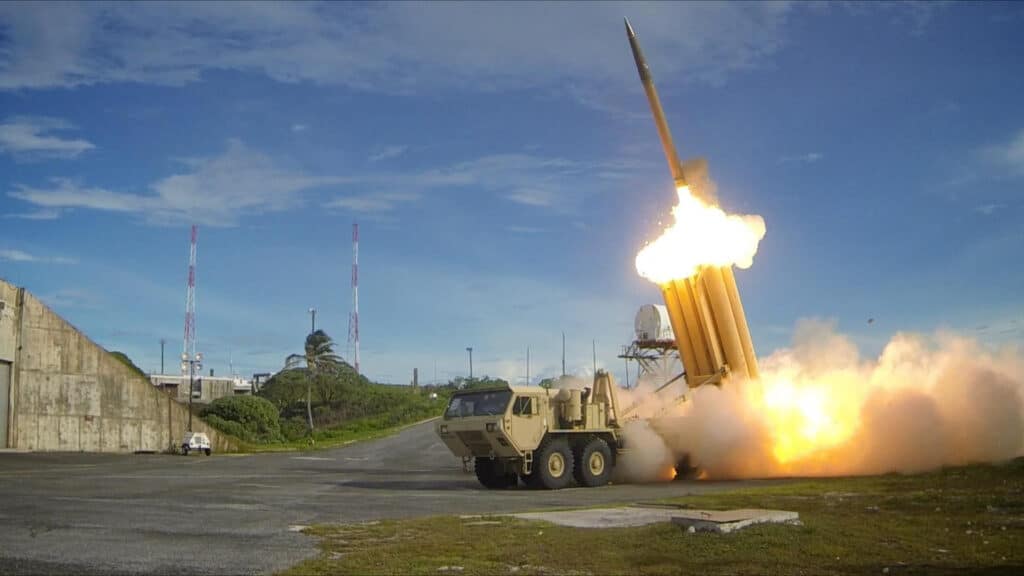
The U.S. is moving parts of its Terminal High-Altitude Area Defense (THAAD) system from South Korea to the Middle East, according to the BBC.
The move comes nearly two weeks into the conflict involving the U.S., Israel and Iran. Following strikes on Tehran and other sites across the country, Iran has launched hundreds of drones and ballistic missiles targeting Israeli and U.S. military facilities in the region, raising concerns about regional security and increasing the demand for air defense systems.
The U.S. operates eight THAAD batteries worldwide. Each battery can intercept short- and medium-range ballistic missiles at high altitudes using hit-to-kill technology, costs about $1 billion and requires around 100 personnel to operate. One battery was deployed to South Korea in 2017 to counter missile threats from North Korea.
According to U.S. officials, the reported redeployment is a precautionary measure. However, some analysts say it may also reflect growing pressure on American missile defense resources as attacks in the Middle East continue.
Meanwhile, South Korean President Lee Jae-myung said Seoul opposed the removal of U.S. weapons but added that the move would not weaken the country’s deterrence capability.