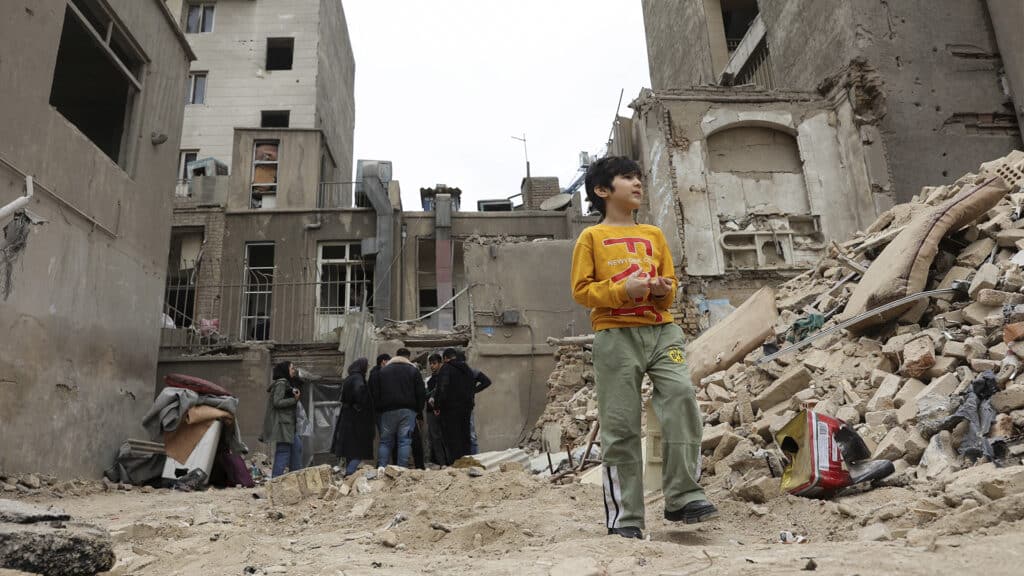
Kazakh economist Rassul Rysmambetov said the tenge could remain in the range of 490-510 per U.S. dollar if global oil prices stay above $100 per barrel amid the ongoing conflict involving Iran.
Read also: How $100 oil could pay for Kazakhstan’s nuclear future.
According to Rysmambetov, Iran has previously signaled that it would welcome oil prices rising as high as $200 per barrel — a scenario that, from a purely economic perspective, could benefit oil-exporting countries such as Kazakhstan.
«At the policy level, Astana could only applaud such a situation,» he said.
At the same time, Rysmambetov noted that a surge in oil prices driven by war would raise serious moral concerns.
«From a moral and ethical standpoint, it would be wrong for oil prices to rise at the expense of human lives and tragedies,» he said. «But from a policy perspective, such a situation could potentially benefit Kazakhstan.»
Three possible scenarios for the conflict
Rysmambetov outlined three possible scenarios for the conflict involving Iran:
- A quick resolution.
- Prolonged negotiations accompanied by partial blockades of the Strait of Hormuz.
- A long-term conflict lasting five years or more.
He said Iran, like the U.S., appears capable of sustaining a prolonged confrontation, which could help keep oil prices elevated.
«If the oil price exceeds $100 per barrel, the exchange rate could easily move to 490-510 tenge per dollar,» Rysmambetov said.
However, he added that such an exchange rate would not necessarily benefit Kazakh exporters.
«The question is whether this is profitable for our producers. It is probably not very profitable, because our exports would become less competitive,» he said.
Risks to regional oil infrastructure
Rysmambetov also warned that Iran, through allied groups or partners, could target oil infrastructure in other Middle Eastern countries, which would further affect global oil markets.
Read also: US to release 172 million barrels of oil from reserves.
Brent crude futures for June delivery were trading at $101.16 per barrel at the time of publication.