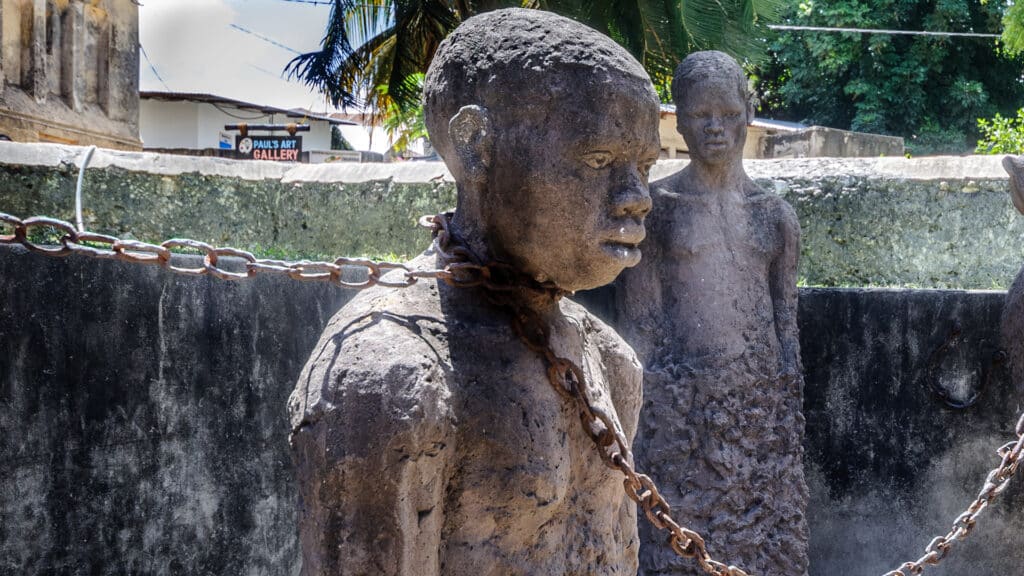
The United Nations General Assembly has adopted a resolution recognizing the enslavement of Africans during the transatlantic slave trade — when an estimated 12 to 15 million Africans were forcibly transported to the Americas between 1500 and 1800, with more than two million dying during the journey — as the «gravest crime against humanity,» the BBC reported.
The resolution, introduced by Ghana, also encourages member states to consider issuing formal apologies and contributing to a reparations fund, though it does not specify any financial amounts. It passed with 123 votes in favor, while the U.S., Israel and Argentina voted against. Fifty-two countries abstained, including the U.K. and EU member states.
Speaking ahead of the vote, Ghana’s President John Mahama said the measure was intended to honor the millions affected by slavery and address its enduring consequences. Ghana’s Foreign Minister Samuel Okudzeto Ablakwa said the initiative seeks justice through measures such as education, skills development and endowment funds, rather than direct payments to governments.
The resolution is backed by the African Union and the Caribbean Community and links the legacy of slavery to ongoing racial inequality and economic disparities affecting people of African descent worldwide. It also calls for the return of cultural artifacts taken during the colonial period to their countries of origin.
Some countries raised concerns about the resolution’s legal framing and implications. The U.K. acknowledged the historical harm caused by slavery but questioned aspects of the wording. In turn, the U.S. said it does not support a legal basis for reparations for actions that were not illegal under international law at the time.
Earlier this month, King Felipe VI of Spain acknowledged abuses committed during the country’s colonial era, though the Spanish monarchy has never formally apologized to former colonies. King Charles III has also expressed his personal sorrow, although the British Crown has not formally apologized for past abuses.