
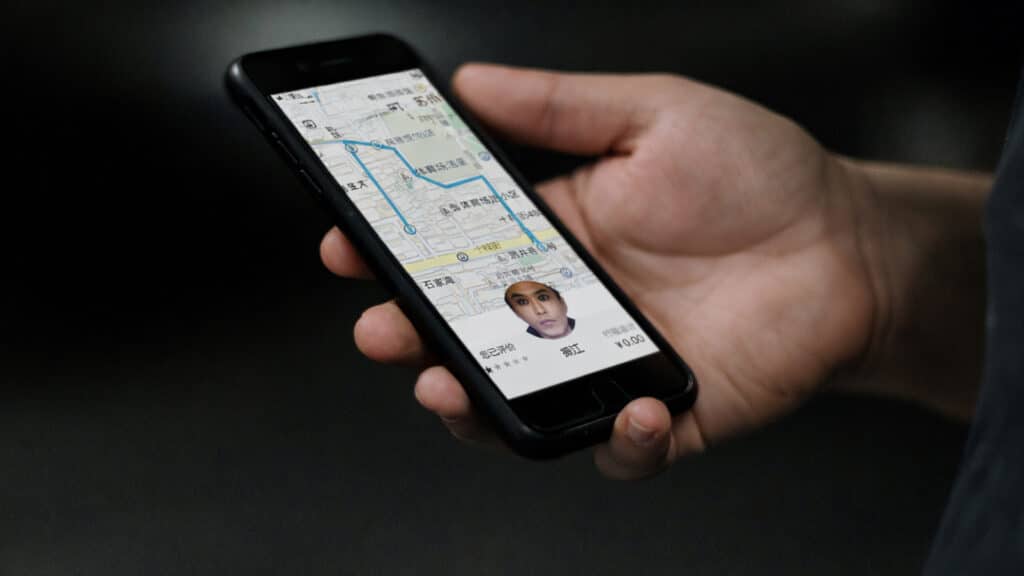
Ride-hailing service scams have long posed challenges for both drivers and passengers. One of the more unusual and inventive schemes was devised by drivers across several Chinese cities, including Beijing, Shanghai, Suzhou, Tianjin, Qingdao and Chengdu, and came to light in 2016.
According to The Times of India, Uber drivers used uncanny or edited profile photos resembling undead figures. The goal of these drivers, nicknamed «ghost drivers,» was to frighten passengers into canceling their rides out of fear. The driver would then collect the cancellation fee without ever showing up. Although the fee was small, repeating the tactic made it profitable, despite no trips being completed.
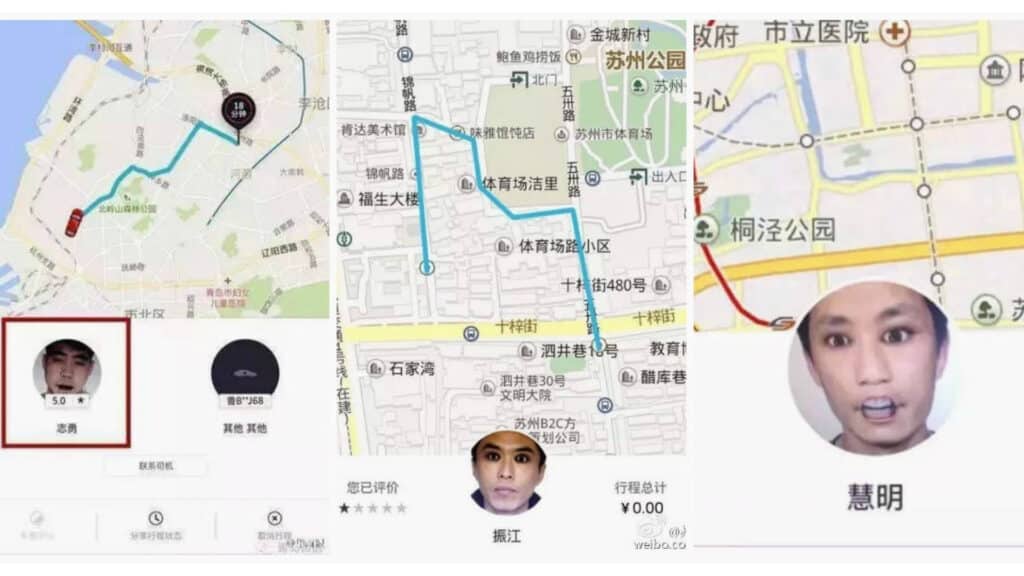
The scam also included additional strategies if passengers did not cancel. One tactic involved starting the ride without the passenger and then ending it to claim the fare. Another method was to accept the ride and deliberately not appear, prompting the passenger to cancel and triggering the cancellation fee.
At the time, Uber was struggling in China and eventually sold its Chinese business to Didi Chuxing in August 2016. Although the platform had implemented facial recognition for driver verification, the «ghost driver» scam demonstrated that relying solely on identity checks was insufficient. Uber committed to reimbursing victims of the fraud.