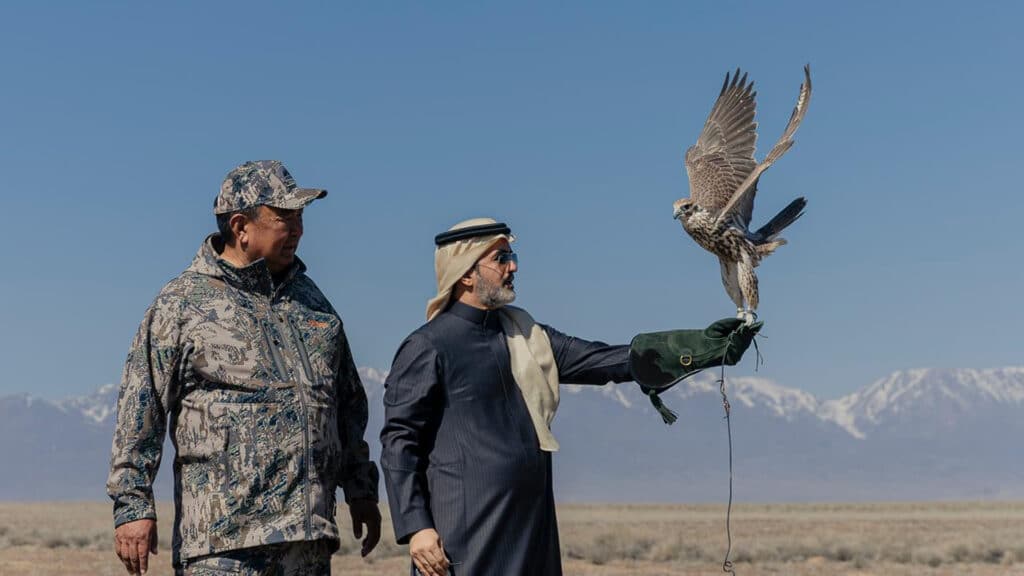
Members of the Saudi Falcon Club are helping restore the saker falcon population in Kazakhstan. The latest release took place in the Altyn-Emel National Nature Park in the Almaty region.
Remote setting for conservation event
The village of Basshi lies more than a four-hour drive from Almaty, set amid mountains and semi-desert terrain. A large gathering filled the local cultural center, where district officials and a delegation from Saudi Arabia convened for the event.
Read also: Birdwatcher’s delight: Long-tailed tit is a must-see in Almaty mountains.
Two falcons were displayed on stage alongside representatives of the Saudi Falcon Club, which was founded in 2016 under the patronage of Crown Prince Mohammed bin Salman. The organization brings together falconry enthusiasts and promotes a tradition deeply rooted in the Arabian Peninsula.
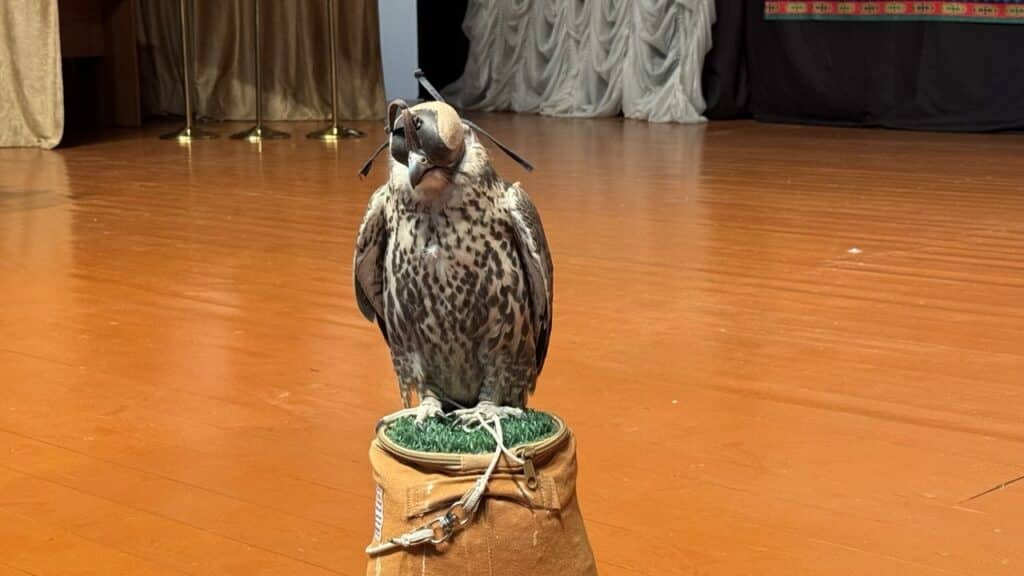
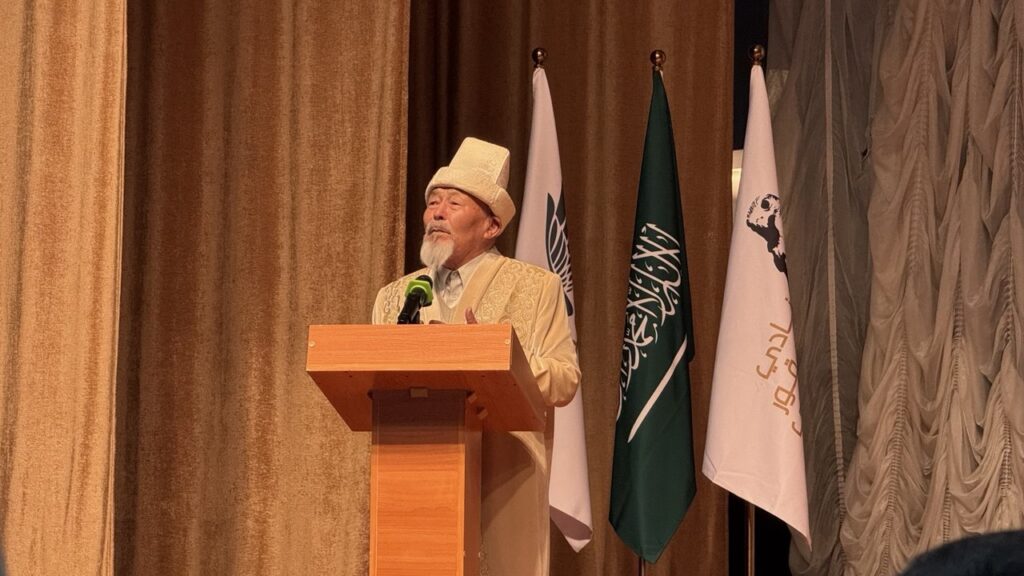
A local elder addressed the audience, emphasizing the need to protect the birds and combat poaching. After lunch, participants traveled to a nearby site for the release.
Scientific approach to release
The location was selected based on scientific criteria, including favorable habitat conditions and proximity to key migration routes. Saker falcons, listed in Kazakhstan’s Red Book of endangered species, have a wide natural range and can occasionally migrate between Kazakhstan and Saudi Arabia, though such movements are rare.
The effort is part of the Hadad program, which included Kazakhstan for the first time this year and aims to address the global decline in falcon populations.
Falcons prepared for life in the wild
At a site between desert plains and dark mountain ridges, a large tent was erected, with dozens of falcons positioned nearby, their eyes covered to keep them calm.
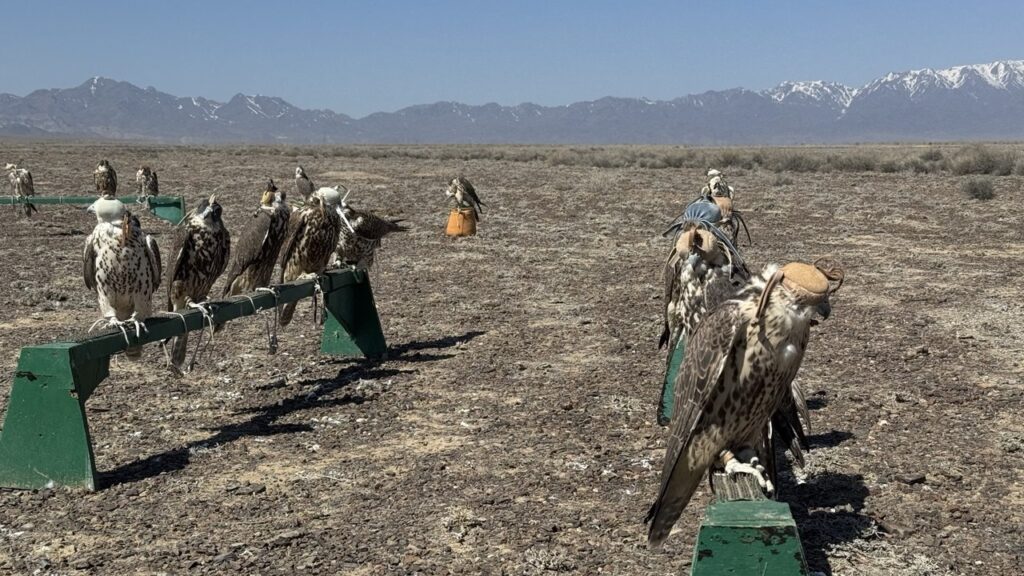
A total of 34 falcons, 28 females and six males, are expected to breed in the Almaty region. The birds were brought from several countries and have undergone acclimatization at the Sunkar Falcon Center. Researchers from the Almaty Institute of Zoology examined the birds and selected the release site.
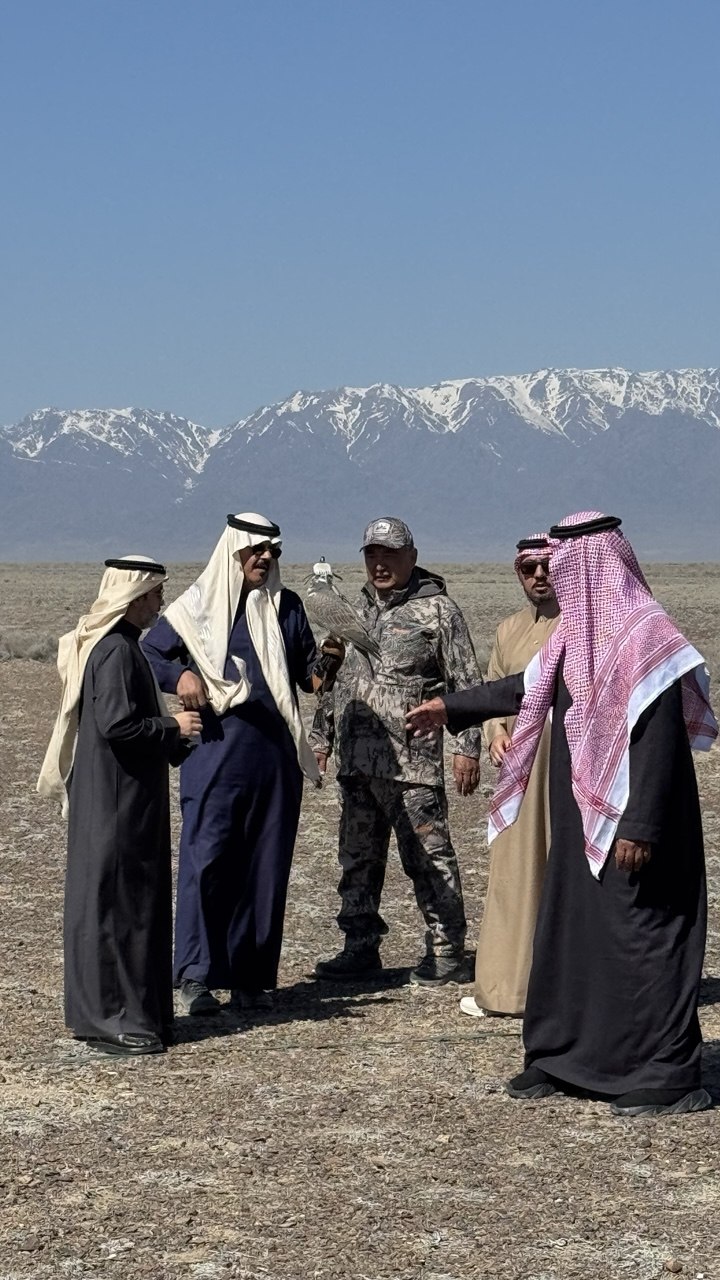
The ceremonial release began with the first falcon taking flight into the wild.
Monitoring and future outlook
According to Kuat Baiturbayev, director of the national park, Altyn-Emel offers abundant prey, including mice, jerboas, ferrets and small birds, along with a suitable climate.
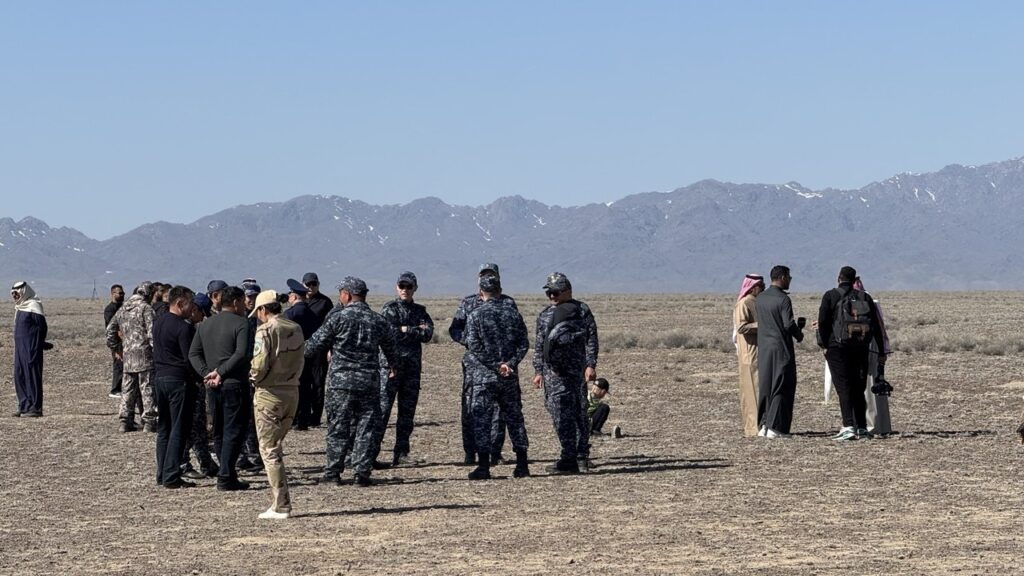
Before release, each bird is fitted with a GPS tracker to monitor its movements and habitat.
Read also: Asia’s lost king: The story of the Turan tiger.
Officials expect that, within three years, the falcon population in Altyn-Emel will grow from six recorded birds to about 150 under a joint program with Saudi Arabia. Organizers, local authorities and visiting delegates expressed hope for the project’s success — and that poaching will not threaten the birds’ return to the wild.