A growing “religious illiteracy” in the West is distorting geopolitical strategy and undermining internal social cohesion, Christiaan Alting von Geusau argues in a recent analysis.
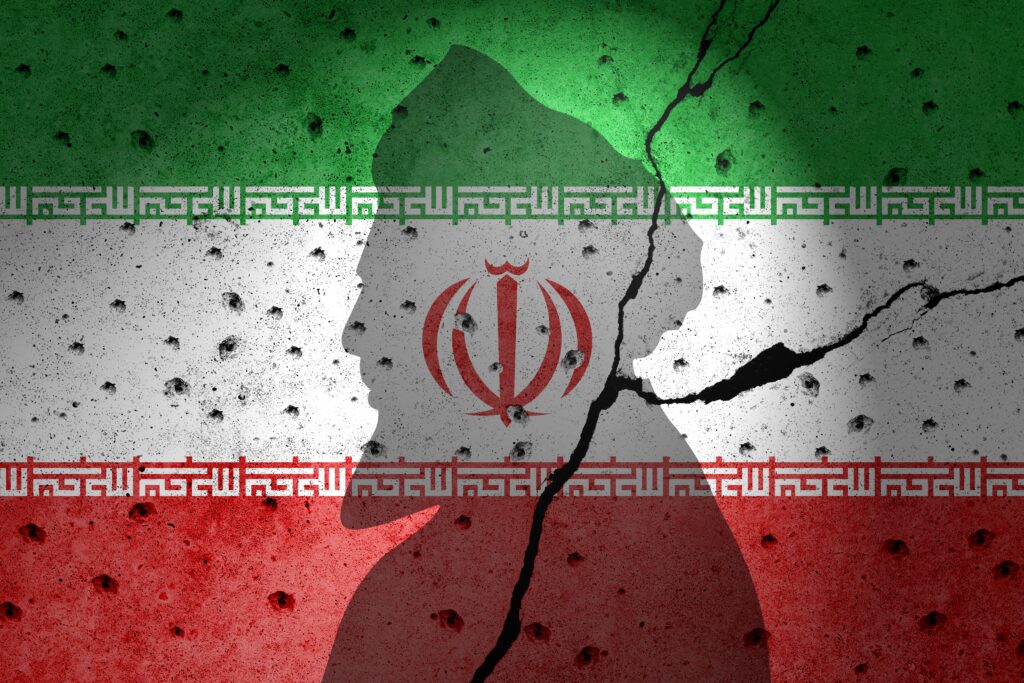
Following the 2026 military escalation between Israel, the U.S., and Iran, von Geusau claims Western leaders largely fail to grasp the apocalyptic theology driving Tehran’s regime, which views global conflict as a precursor to the return of the “12th Imam”.
A strategic blind spot
The report highlights that Western elites, operating within a “secular bubble,” have become incapable of addressing religious questions in a rational manner. This ignorance poses a major handicap for Western powers. For instance, von Geusau cites studies indicating that radical clerics on American soil are preaching prophetic showdowns, while the Muslim Brotherhood pursues a multi-generational “civilizational struggle” to transform Western society from within.
Domestic integration challenges
A central finding is the fundamental difference between Islamic and Christian views on the state. While Christianity separates law from revelation, Islam is described as a “complete political, legal, and compulsory normative system”.
The author suggests that “religiously illiterate” policymakers often ignore these distinctions, leading to integration failures, such as those seen in Germany following the 2015 migrant crisis.
Recovering literacy
Ultimately, the analysis warns that “militant secularism” has rendered Western institutions blind to the influence of faith in the public square. To preserve democratic pluralism, von Geusau concludes that the West must recover its religious literacy by re-embracing the Judeo-Christian and Greco-Roman heritage that originally shaped its civilization.