Australia and Japan finalize $6.5 billion warship deal

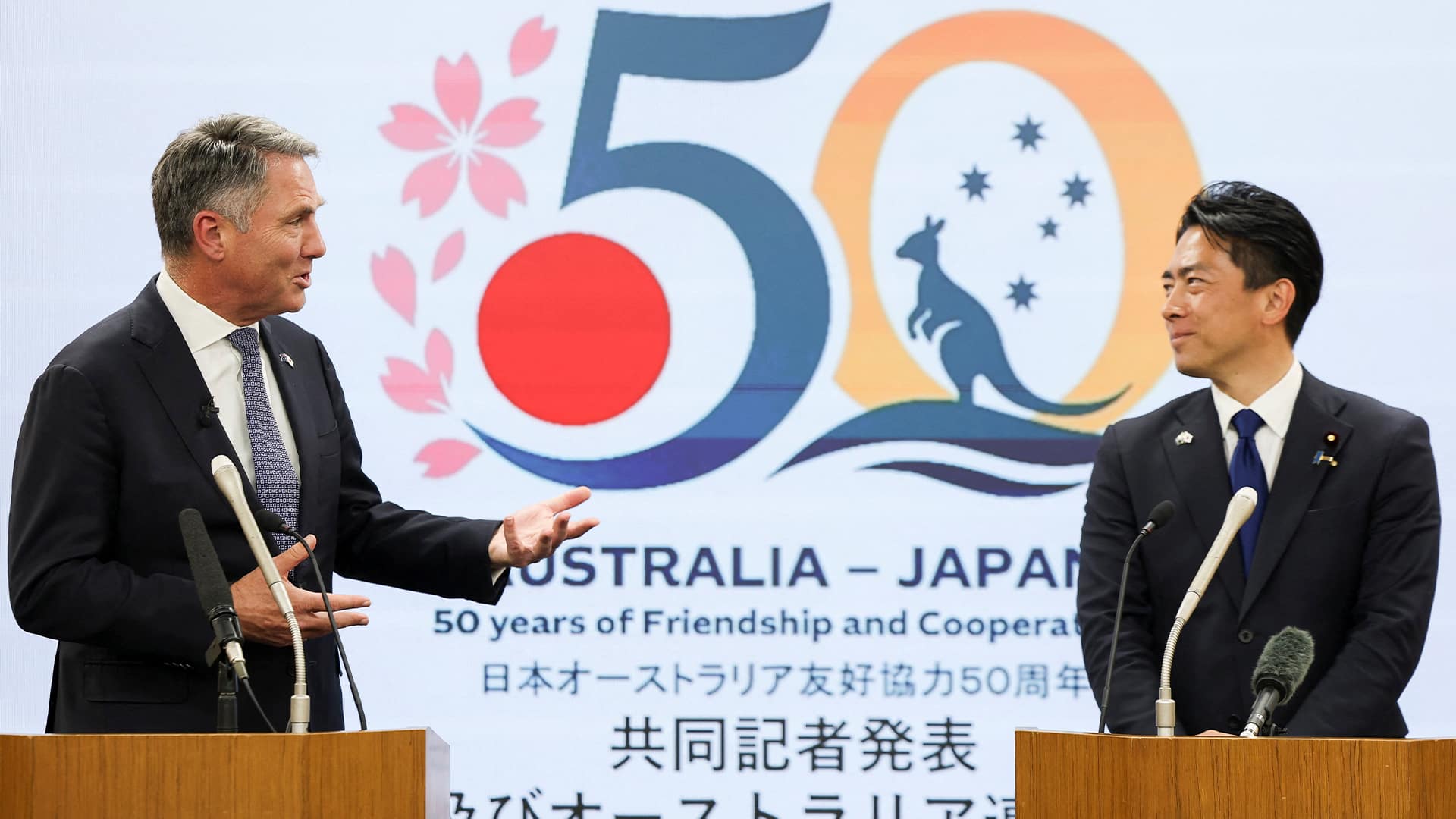
Australia and Japan have signed agreements to deliver the first three Japanese-designed warships as part of a $6.5 billion defense deal, The Asahi Shimbun reported.
The vessels, based on the Mogami-class frigate design, will be built by Mitsubishi Heavy Industries in Japan, with delivery of the first ship expected within three years. Australia plans to construct an additional eight frigates at a shipyard in Western Australia.
The signing ceremony was attended by Japanese Defense Minister Shinjiro Koizumi and Australian Defense Minister Richard Marles aboard the JS Kumano, a Mogami-class frigate of the Japan Maritime Self-Defense Force, docked near Melbourne.
The agreement follows Australia’s decision in 2023 to select Japan’s proposal over Germany’s MEKO A-200 design by Thyssenkrupp Marine Systems. The new fleet will replace Australia’s aging ANZAC-class frigates, which are increasingly vulnerable to modern threats such as missiles and drones.
According to Marles, the project represents a significant step in strengthening Australia’s naval capabilities, with the first frigate expected to enter service in 2029. He described the acquisition timeline as the fastest for a surface combat vessel in the history of the Royal Australian Navy.
In turn, Koizumi said the agreement marked an important development in bilateral defense relations. He also noted that the relatively small crew requirement of the Mogami-class vessels — around 90 personnel — was a key factor in Australia’s selection.
Following the announcement, shares of Mitsubishi Heavy Industries, Japan’s largest defense contractor involved in the deal, increased by 4%.
Japan, a global industrial powerhouse, is preparing to relax its long-standing restrictions on arms exports, drawing interest from countries seeking alternatives to U.S. weapons supplies. The policy shift, expected to be formally adopted soon, is part of efforts by Prime Minister Sanae Takaichi’s government to strengthen the country’s defense industry and expand its role in global security cooperation.