Kazakhstani official highlights simplified entry procedures for investors

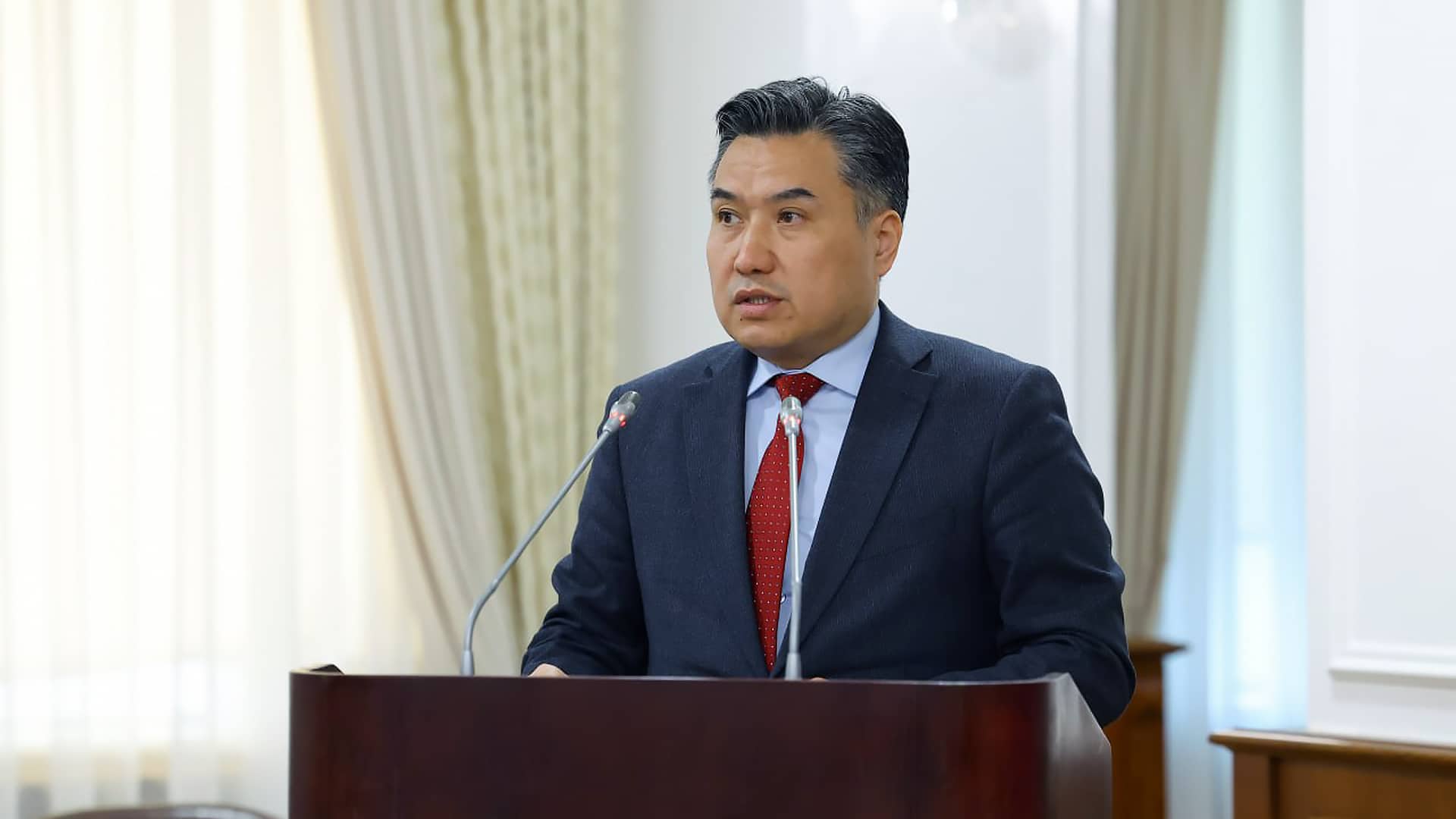
According to Askarbek Yertayev, minister of labor and social protection of the Republic of Kazakhstan, the country welcomes investors, entrepreneurs and in-demand specialists. For this reason, it has introduced simplified entry procedures for these categories of foreigners.
As the official noted, Kazakhstan’s migration policy differentiates entrants based on the purpose of their visit, separating labor migration from permanent relocation.
This approach ensures that Kazakhstan’s economy remains open to qualified specialists.
«Investors and specialists in in-demand professions can enter the country for employment under a simplified procedure. We have an order from the Ministry of Labor that identifies 51 in-demand professions. These include, for example, artificial intelligence engineers and neurosurgeons,» Yertayev emphasized.
The government provides specific measures for investors and entrepreneurs, such as special visa regimes and expedited application procedures. Furthermore, the Eurasian Economic Union maintains a free employment regime, ensuring unimpeded labor mobility within the common market.
However, Kazakhstan has a quota mechanism for foreign workers not included on preferential lists to protect the national labor market, Yertayev noted.
In addition, certain requirements are imposed on foreign citizens applying for Kazakhstani citizenship. The new procedure includes a phased assessment: a basic Kazakh language test, questionnaire analysis, digital scoring, cross-agency checks and a final interview.
Overall, Kazakhstan remains open to professionals and investors willing to contribute to economic development, the minister underscored. At the same time, the government is developing a balanced and pragmatic approach that takes into account national interests, labor market needs, and long-term demographic objectives.