Shinsegae chairman bows in apology over Starbucks Korea campaign controversy

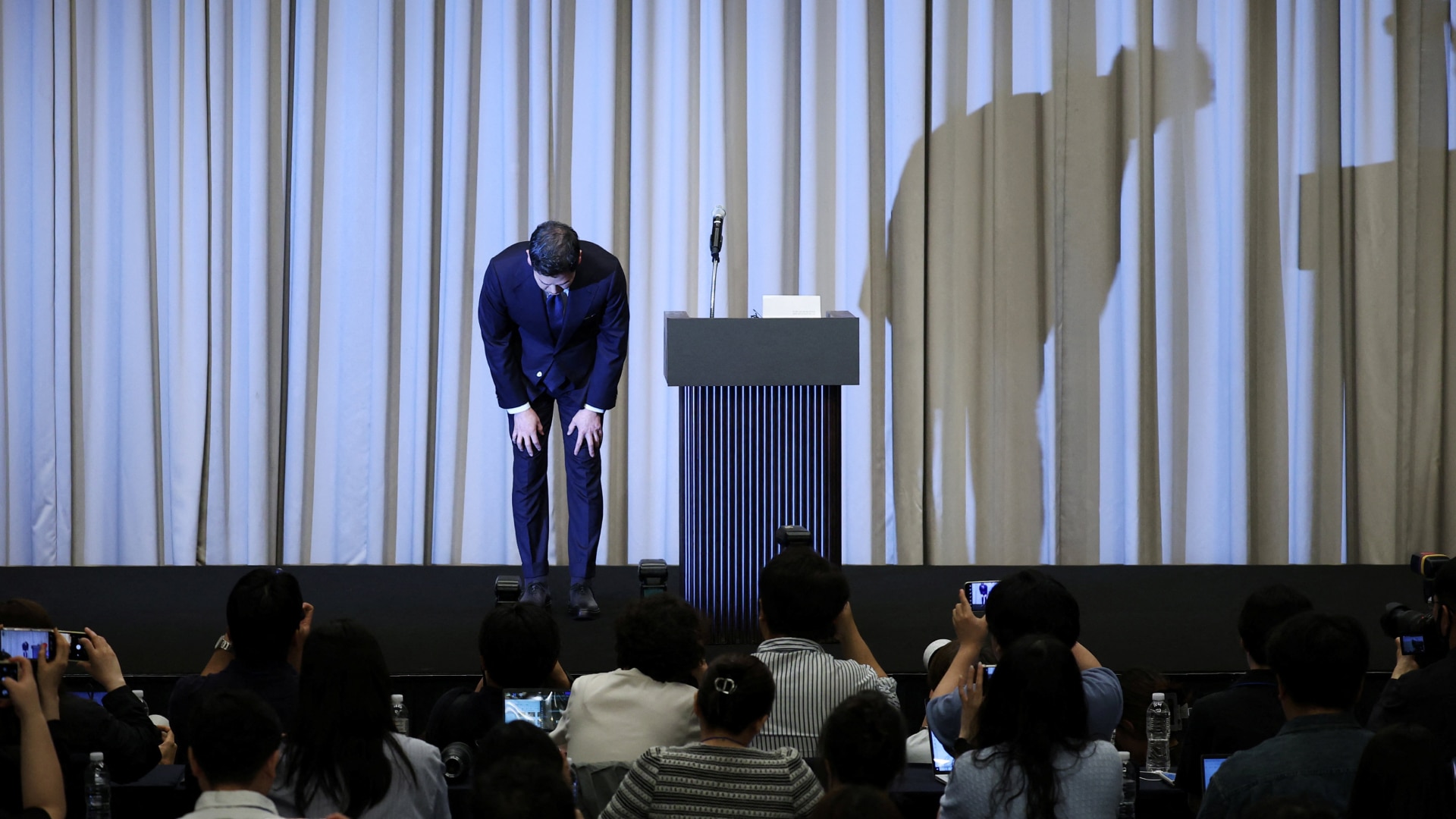
Chung Yong-jin, chairman of Shinsegae Group, which owns a 67.5% stake in Starbucks Korea, issued a second public apology after Starbucks Korea faced backlash over a marketing campaign that many believed mocked victims of South Korea’s pro-democracy movement in the 1980s, The Associated Press reported.
The South Korean retail tycoon bowed three times during a televised statement and asked for forgiveness from the public and the families of democracy activists killed during the country’s former military dictatorship. He also asked people not to direct their frustration toward Starbucks store employees, saying management was responsible.
The controversy began after Starbucks Korea promoted a large tumbler called a «tank» by designating May 18 as «Tank Day.» The date marks the anniversary of the 1980 Gwangju Uprising, when troops, tanks and helicopters were used to suppress pro-democracy protesters in the southern city of Gwangju, leaving hundreds dead or injured.
The campaign drew further criticism because it used the slogan «Thwack it on the table!» which many people associated with a statement linked to the 1987 torture death of student activist Park Jong-chol. At the time, police claimed Park died suddenly after investigators had «hit the desk with a thwack,» a phrase that later became symbolic of attempts to cover up abuses under the military government.
Following immediate public outrage, Starbucks Korea canceled the promotion within hours and dismissed the company’s chief executive. Police also opened an investigation after complaints were filed by families of people killed during the Gwangju crackdown.
In South Korea, formal public apologies play an important role in addressing controversies. Public figures and companies are often expected to show sincerity and accountability through visible gestures of remorse. When apologies are viewed as insincere, public criticism and demands for further accountability may continue.