The autonomous edge: Kazakhstan’s timeline for driverless cabs

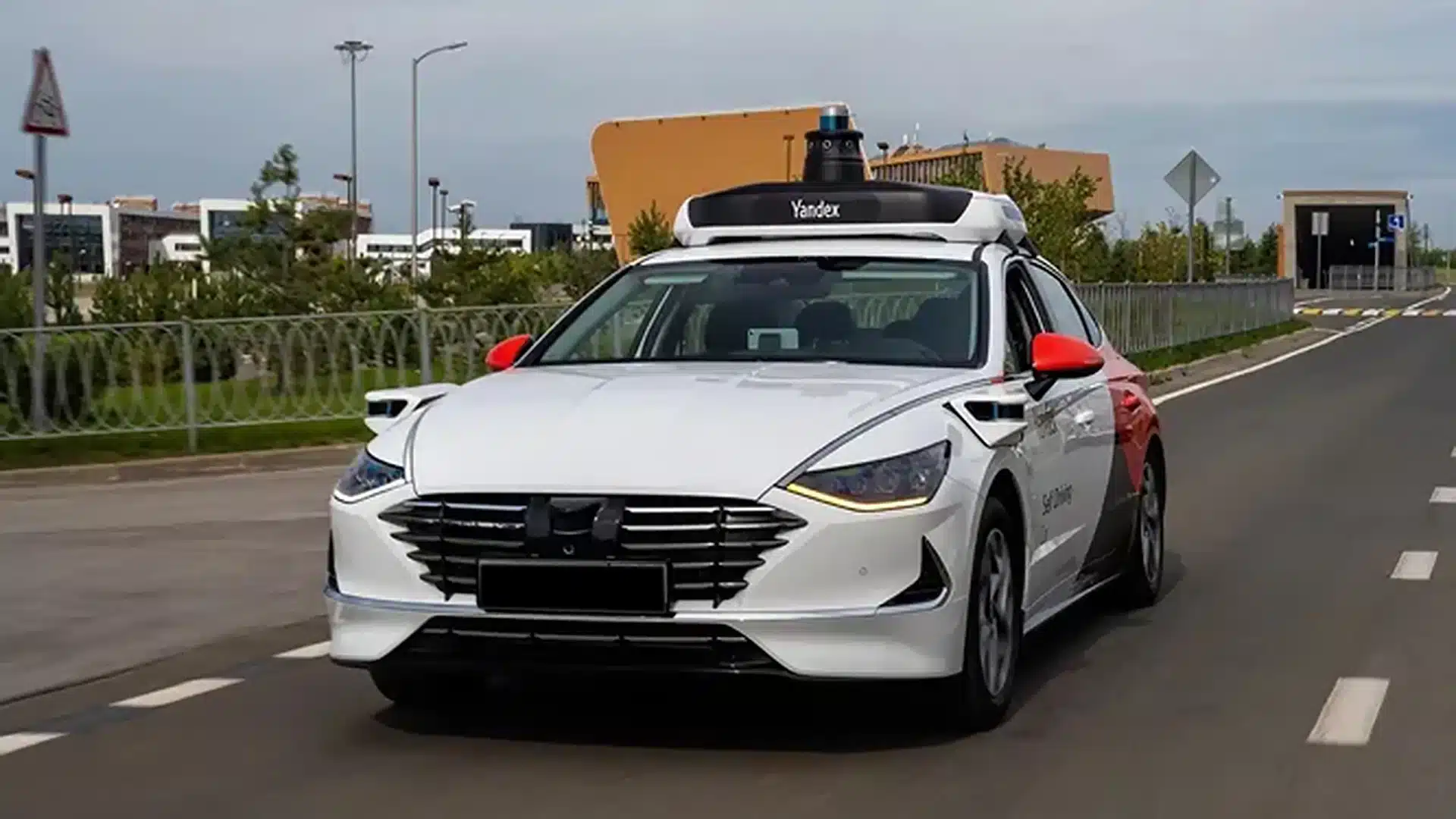
Kazakhstan plans to launch a pilot project for a driverless taxi service in the second half of 2026, according to the Ministry of AI and Digital Development.
The project is being developed by the ministry in partnership with Yandex Qazaqstan and inDrive, with preparations currently underway.
Read also: Sex in driverless cars: Already an issue in San Francisco, not yet in Kazakhstan.
Engineers from Yandex Qazaqstan have already begun building the technical infrastructure, including setting up specialized garages and importing and configuring a fleet of autonomous vehicles. The vehicles’ software is also being adapted to Kazakhstan’s traffic laws and real-world road conditions.
Regulatory framework and safety measures
The ministry said regulations governing autonomous vehicles in Kazakhstan are still under development. The proposed rules will address safety, navigation and traffic management requirements.
As a result, the project will be implemented through a regulatory sandbox mechanism, allowing technological solutions to be tested under controlled conditions while the necessary legal framework is developed.
Autonomous vehicle operations will remain under constant operator supervision. Officials said the pilot project will move forward only after infrastructure readiness is confirmed and testing produces positive results.
The ministry emphasized that passenger safety and the safety of all road users remain top priorities.
International cooperation and global context
Notably, inDrive is expected to join the project at later stages and on additional routes, including in Almaty. Traffic patterns for taxi fleets in the city are currently being designed.
Officials said the Kazakhstan project draws on international experience, where autonomous vehicles are being introduced gradually under strict safety requirements.
In the U.S., Tesla is testing robotaxis in Texas, while Waymo already operates commercial autonomous taxi services in several cities. In China, Baidu and Pony.ai are developing autonomous ride-hailing services.
The ministry noted that in all of these cases, commercial launches followed years of testing and extensive adaptation of national regulations.