Hidden relics and human toll of Almaty’s flea market

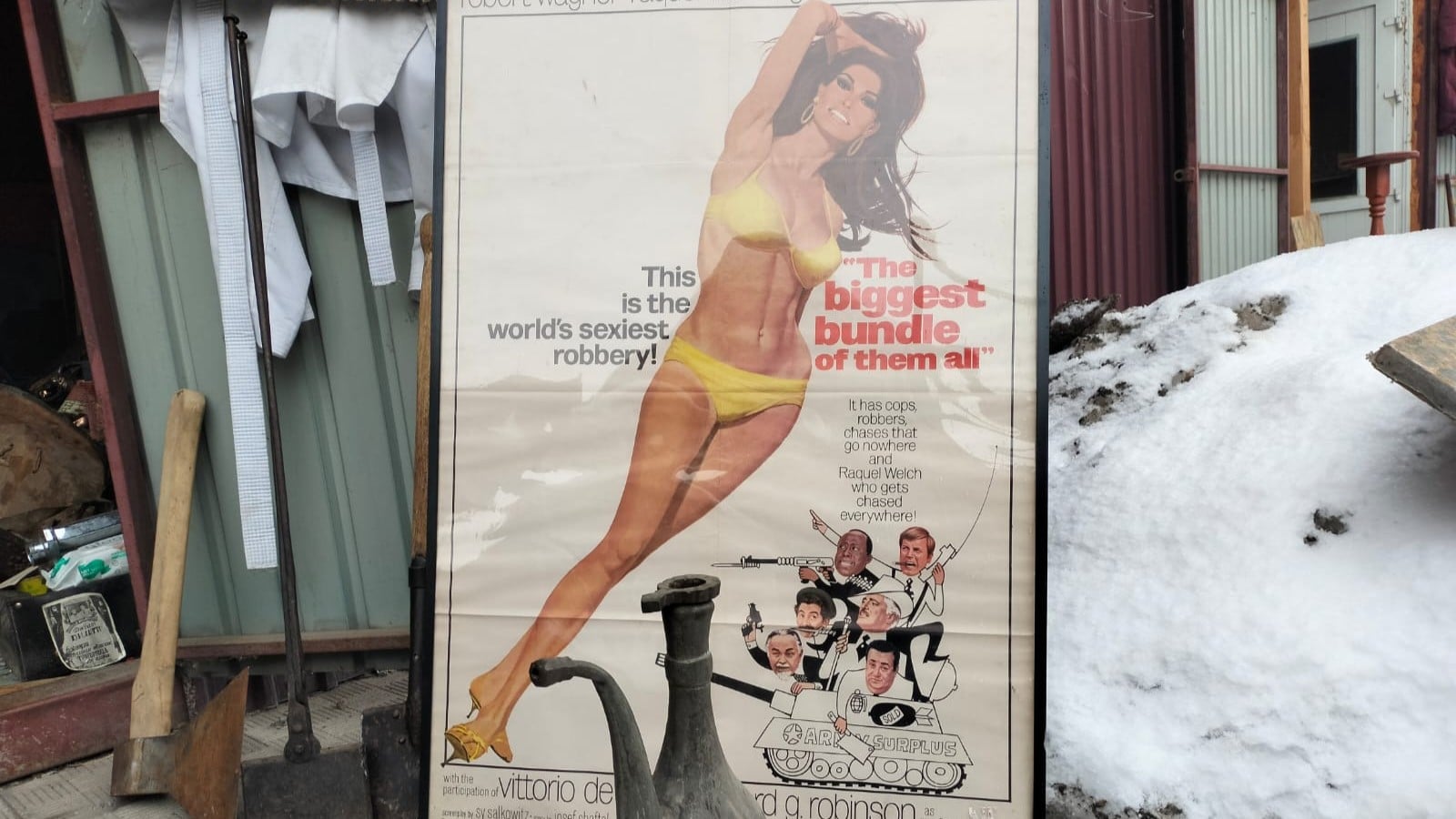
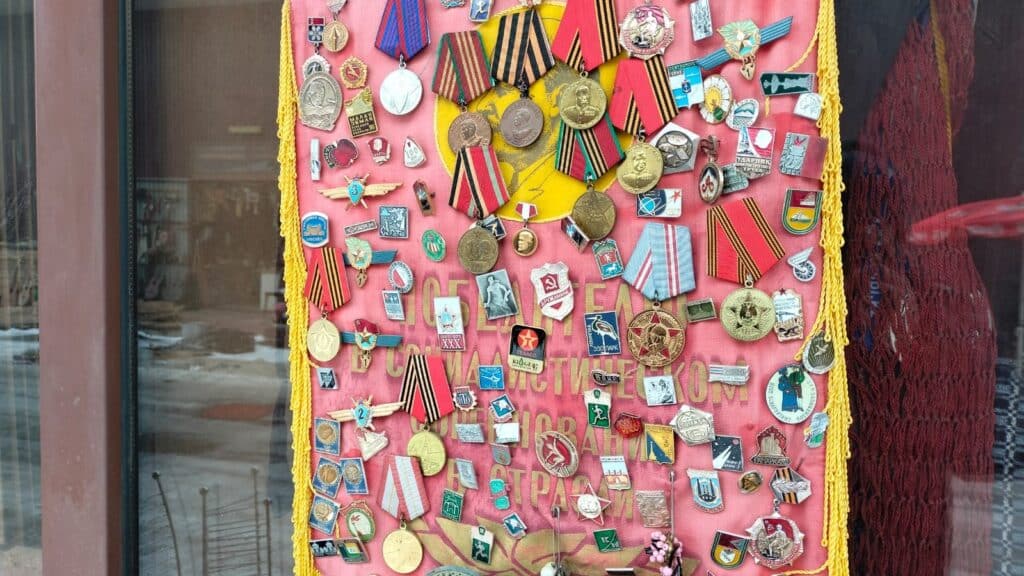
Vendors at Almaty’s famous flea market — known locally as the «Devil’s Bazaar» — say they have become wary of filmmakers after a crew allegedly borrowed Soviet-era artifacts for a movie and never returned them.
As a result, sellers are often skeptical of buyers looking for props, especially when they try to negotiate rock-bottom prices.
«We don’t really like dealing with singers or actors,» vendor Aspandiyar said with a smile. «They always want things for next to nothing. Even filmmakers try to drive the price down.»
A correspondent for Kursiv.media visited the market to learn more about the people who keep this unique trading tradition alive.
A weekend market with deep roots
Almaty residents often refer to the market as the «Shaitan Bazaar» — literally, the «Devil’s Market» — or simply the flea market. Before the construction of Halyk Arena, a trading area known as «Katalizator» operated nearby. On weekends, it hosted a large flea market where secondhand goods were bought and sold.
When the Zhetysu market opened in 2015, the flea market relocated there. Today, it continues to operate only on Saturdays and Sundays.
Most vendors are retirees who sell items from their homes to supplement their income. Others are unemployed residents looking to earn extra money.
Making ends meet
Vendor Yerkin has been trading at the flea market for a decade and says it provides a modest but important source of income.
«People regularly bring old belongings from their homes to sell,» he said. «Soviet-era items often go for very little money. On weekends, I earn about 7,000 to 8,000 tenge. Business is slow in winter because few people come out in the cold. Summer isn’t much better. Spring and autumn are the busiest seasons.»
«You won’t get rich here,» he added. «But you can earn enough for bread and tea.»
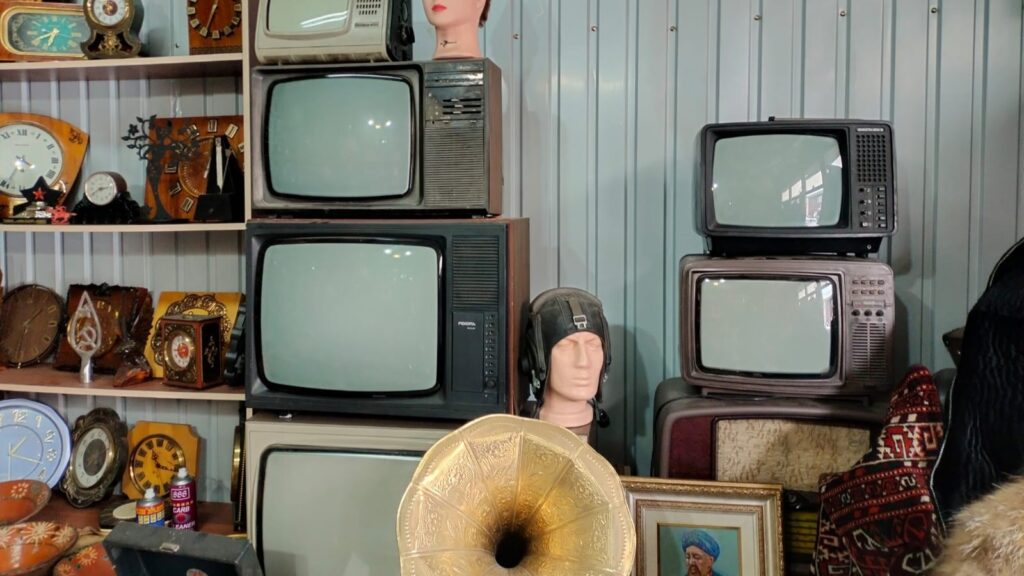
A potential tourist attraction
Yerkin believes the flea market could become a tourist destination focused on antiques and Soviet memorabilia. Foreign visitors have become increasingly common in recent years.
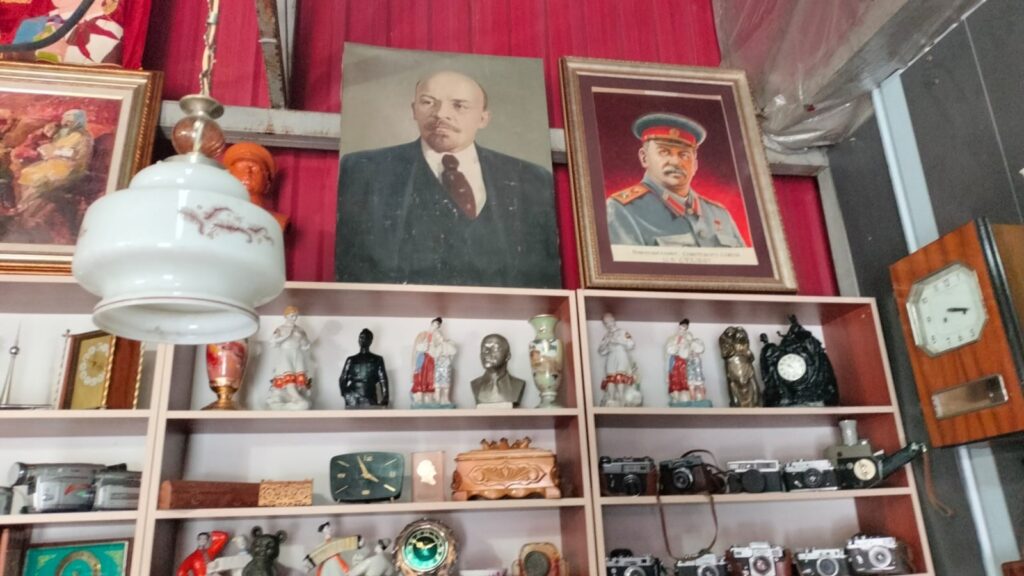
«Foreigners are good customers,» he said. «They buy signs, binoculars — whatever catches their eye. Tourists are very interested in old items. Cities around the world have antique markets. They are especially popular in countries such as France and Germany. Local authorities support them and help make them attractive destinations.»
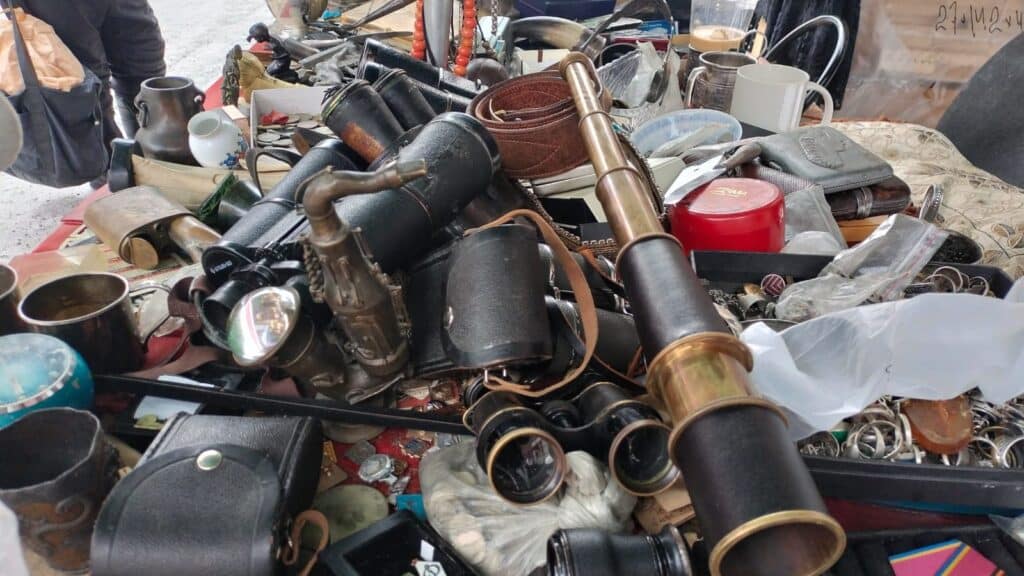
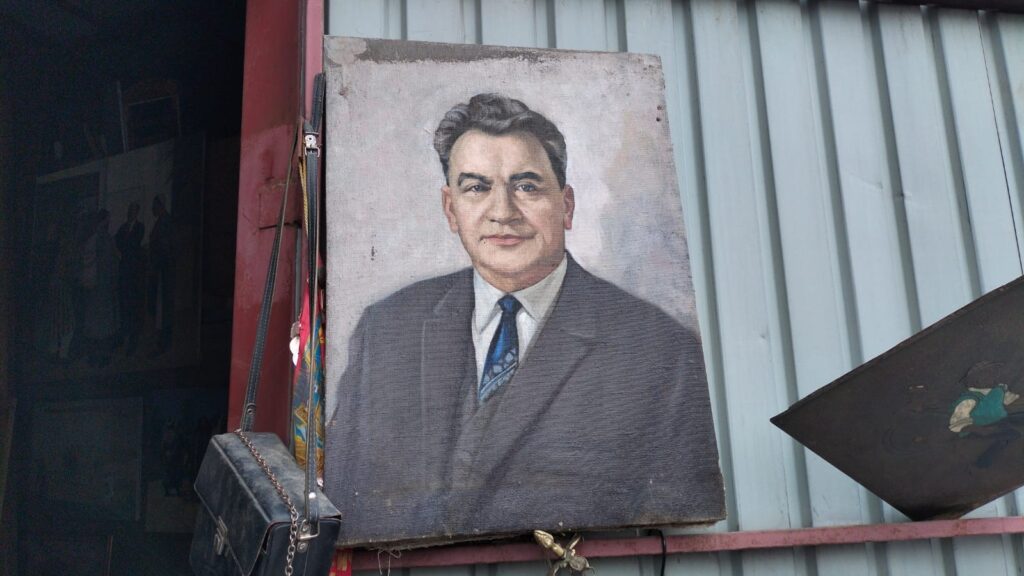
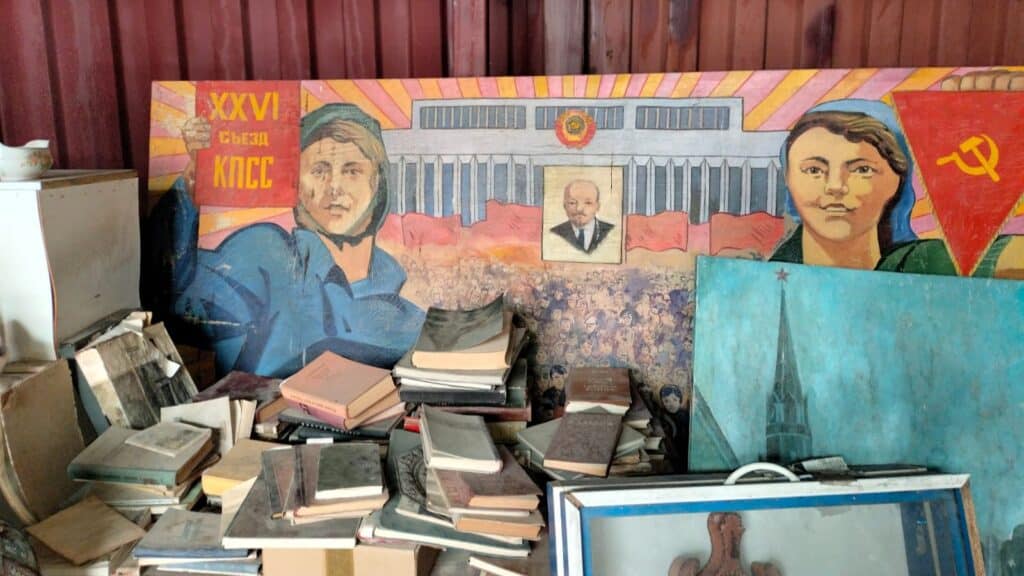
According to Yerkin, flea markets in Europe have evolved into tourist attractions, and visitors to Kazakhstan often show particular interest in portraits of Soviet leaders, Soviet-era household items, and examples of socialist realist art.
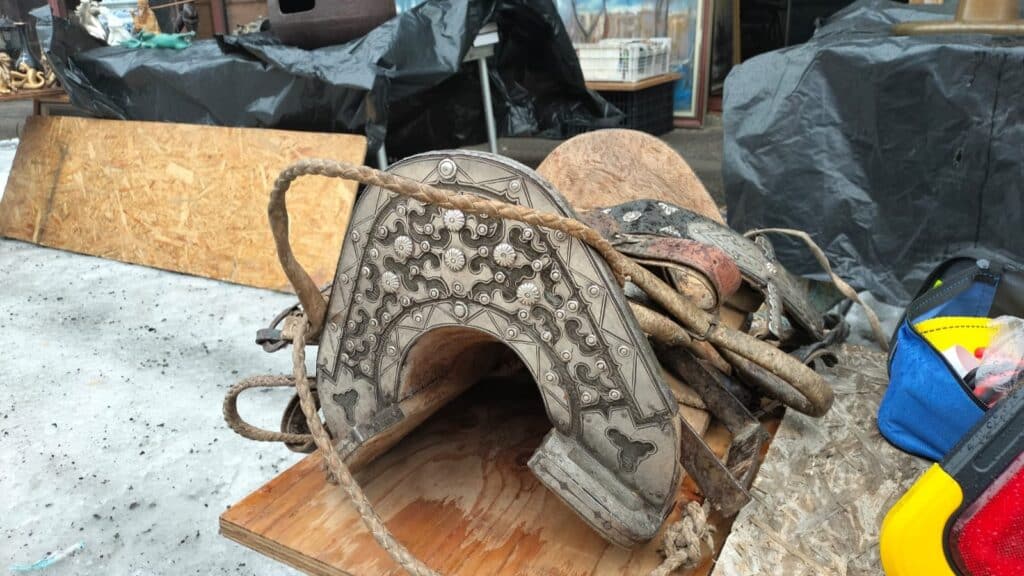
Affordable goods for difficult times
The market offers much more than antiques. Visitors can also find used clothing, household goods, tools and a variety of everyday items.
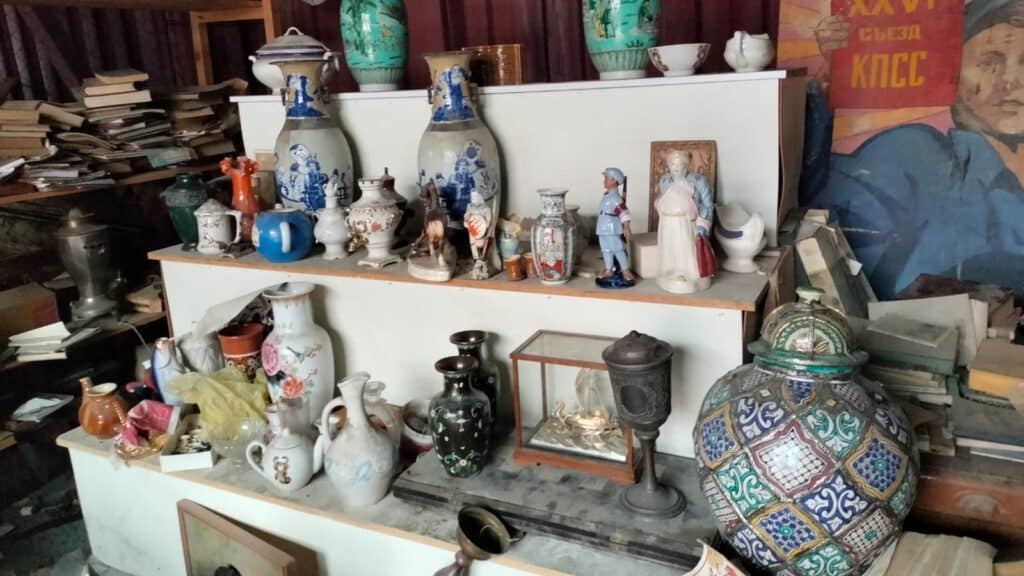
Vendor Aigul said earnings largely depend on what a seller has available.
«We stay if there’s a profit to be made,» she said. «Everything depends on the goods you bring. I usually sell metal items. They don’t sell well during the winter, so right now I’m focusing on used clothing.»
According to Aigul, many shoppers come to the market because they cannot afford new goods.
«Everything is expensive now, so people buy secondhand clothing,» she said. «Prices here are affordable for those facing financial difficulties.»
Looking beyond weekends
The market currently operates only on Saturdays and Sundays, and Aigul said some vendors would like to see it open more often.
«We would like the market to work throughout the week,» she said. «But both sellers and buyers are accustomed to the weekend schedule. Most of us have other jobs during the week and come here on Saturdays and Sundays to earn additional income.»