How Iran uses culture and faith to project global influence

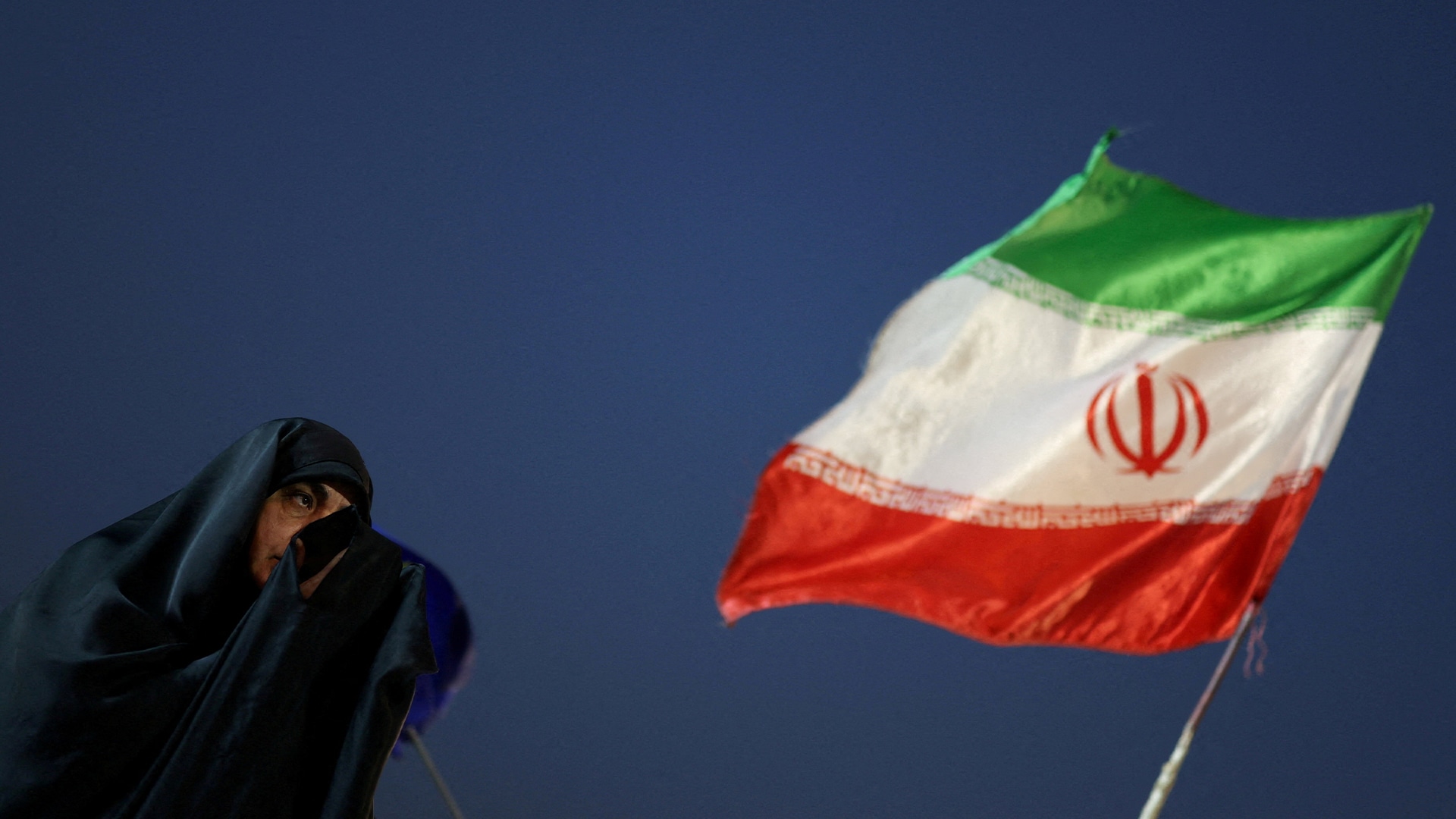
Facing intense geopolitical competition, Iran now leverages a vast array of cultural, religious, and humanitarian outreach programs to exert influence, moving beyond purely military or economic means. In his new study, «Iran’s Soft Power: Influence Across the Globe,» Ali Akbar argues that Tehran has strategically used these nonmilitary instruments to build legitimacy and attract support across the Middle East, Africa and Latin America.
According to Akbar, Iran deploys a diverse set of tools — including university branches, religious institutions, cultural programs and infrastructure projects — to improve its global standing, bypass the effects of international sanctions and challenge Western narratives.
Soft power as a pillar of foreign policy
Akbar contends that soft power is not a secondary element of Iran’s foreign policy but a central component of its international strategy. Iran’s geographic position at the crossroads of Asia, Europe and Africa, he writes, has encouraged the country to rely on networks that extend beyond traditional diplomacy.
This influence is exercised through official institutions such as the Ministry of Foreign Affairs, as well as powerful semi-state charitable foundations known as bonyads, which possess substantial financial resources and operate with significant autonomy. Together, these organizations promote the values of the 1979 Islamic Revolution and present Iran as a defender of the oppressed against what it describes as Western dominance.
Promoting language and cultural heritage
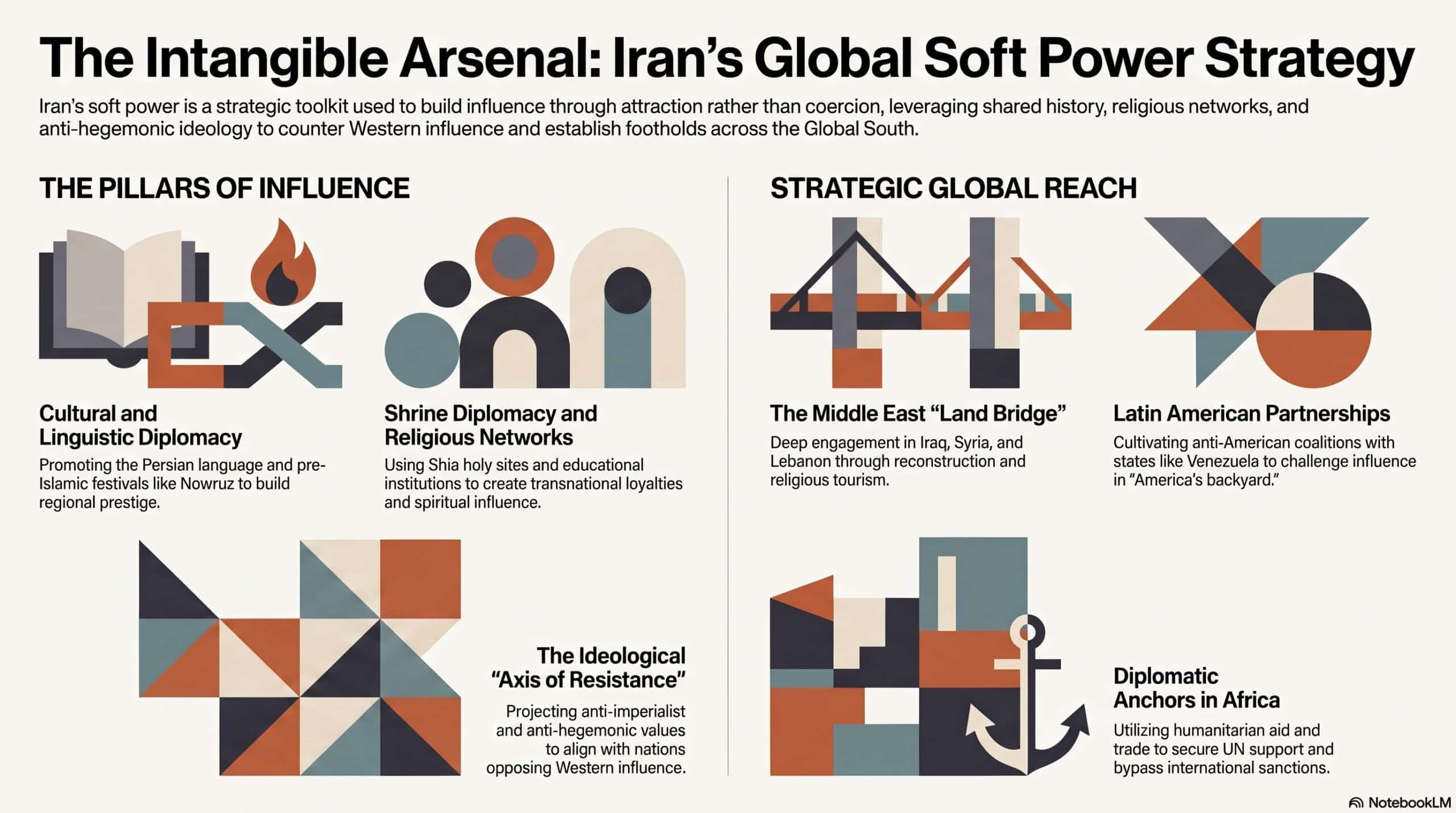
Culture represents one of Iran’s most important sources of soft power, according to Akbar. A key instrument is the promotion of the Persian language through organizations such as the Saadi Foundation, which operates language and cultural programs abroad.
Iranian cultural centers in countries including Iraq, Lebanon and Senegal offer Persian-language courses that also introduce students to Iranian history and civilization. In Iraq, the Qalam Institute works with local universities to provide Persian-language programs for students studying theology and political science.
Read also: Unfiltered Iran: Recent films by local directors you need to see.
Iran also draws on ancient traditions such as Nowruz, the Persian New Year, and Yalda Night to strengthen cultural ties with neighboring societies. Iranian embassies in Tanzania and Kenya have organized festivals and performances celebrating these traditions, while in Venezuela cultural events have been paired with charitable initiatives, including fundraising for children with cancer.
Religion as a source of influence
Religion remains one of Iran’s most powerful tools of soft power, particularly in societies where faith plays a central role. Akbar argues that Tehran promotes Shiite Islam not solely as a religious doctrine but as a transnational force that fosters solidarity among Muslim communities.
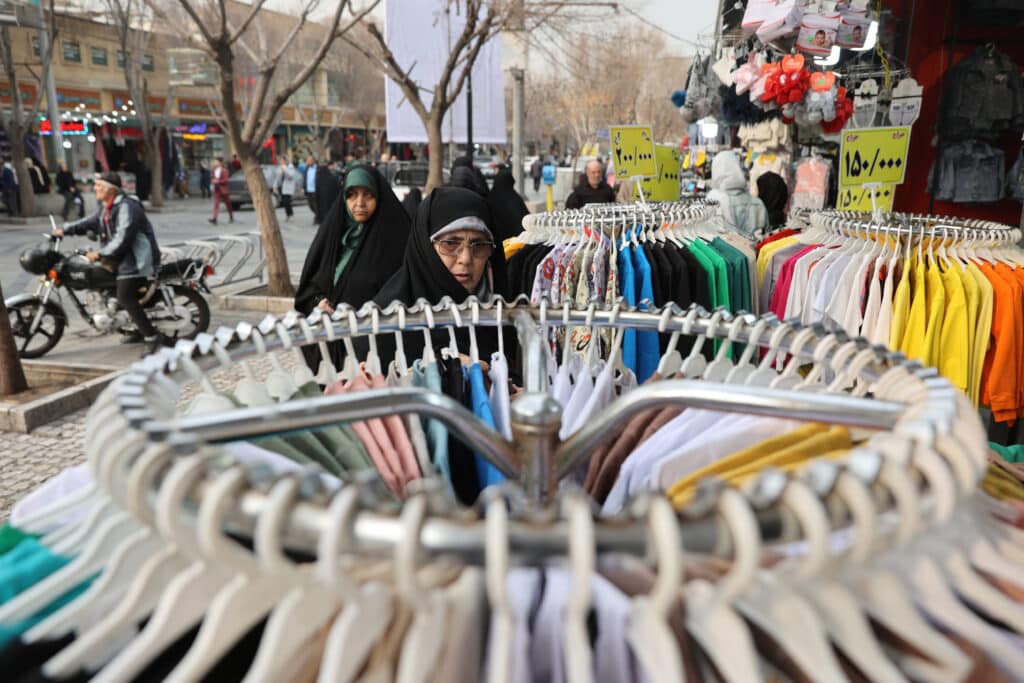
This influence is evident in projects to restore and expand important Shiite religious sites, including the Sayyida Zaynab Shrine in Damascus and the Al-Askari Shrine in Samarra, Iraq. According to Akbar, some of these projects are overseen by organizations with ties to Iran’s security institutions, illustrating the overlap between soft and hard power.
Educational institutions also play a major role. Al-Mustafa International University trains thousands of foreign clerics and scholars, many of whom return to their home countries after studying in Iran. Religious networks established in countries such as Nigeria and Senegal since the early 1980s have created communities that maintain spiritual and political ties with Tehran.
Religious tourism further strengthens these connections. Millions of pilgrims from Iraq, Bahrain, Pakistan and other countries visit the Imam Reza Shrine in Mashhad each year, where services are offered in multiple languages, including Arabic and Urdu.
Anti-imperialist ideology and political alliances
Iran’s political message — centered on opposition to the U.S. and Israel and support for Palestinian causes — has found an audience in parts of the Global South, Akbar writes.
In Lebanon, this influence is closely linked to Hezbollah, whose political ideology has been shaped by Iran’s concept of velayat-e faqih, or the Guardianship of the Jurist.
In Latin America, Iran has built relationships with leftist governments that share opposition to U.S. sanctions and foreign policy. Venezuela has become Tehran’s closest regional partner. Following the 2020 killing of Qasem Soleimani, Iran supported the establishment of the Qassem Soleimani Chair for Geopolitical Studies at the Bolivarian University of Venezuela to promote his anti-imperialist legacy.
Expanding influence through education
Educational diplomacy is another long-term element of Iran’s strategy. Tehran has established international branches of Iranian universities and offers scholarships to thousands of foreign students.
The Islamic Azad University has opened campuses in countries including Lebanon and the United Arab Emirates, with plans for further expansion in Syria and Iraq.
Iranian universities have also signed cooperation agreements with institutions in Uganda and Kenya. According to Akbar, nearly 50,000 Iraqi students were enrolled in Iranian universities as of mid-2023, many studying medicine in Tehran, Isfahan and Shiraz.
Iranian officials view these graduates as informal ambassadors who can strengthen future economic, cultural and political ties.
Humanitarian aid and health diplomacy
Humanitarian assistance and health care represent another dimension of Iran’s soft power efforts.
The Imam Khomeini Relief Committee operates in countries including Somalia, Syria and Lebanon, providing financial assistance, housing support and vocational training. In Venezuela, Iran opened the Megasis supermarket chain in 2020, offering thousands of imported Iranian products.
Iran has also expanded its health diplomacy through hospital construction and medical aid. During the COVID-19 pandemic, Tehran supplied ventilators and diagnostic kits to Iraq and Lebanon and donated nearly one million doses of its domestically produced Barakat vaccine to Mali.
In Ghana, the Iranian Red Crescent operates a clinic that serves more than 100,000 patients annually, functioning both as a health care provider and as an instrument of public diplomacy.
Akbar concludes that Iran has successfully transformed cultural, religious and ideological resources into a global network of influence, allowing the country to extend its reach well beyond its borders despite economic sanctions and geopolitical pressures.