Skywatchers prepare for a rare triple-header: Planet parade, eclipse, and Perseids

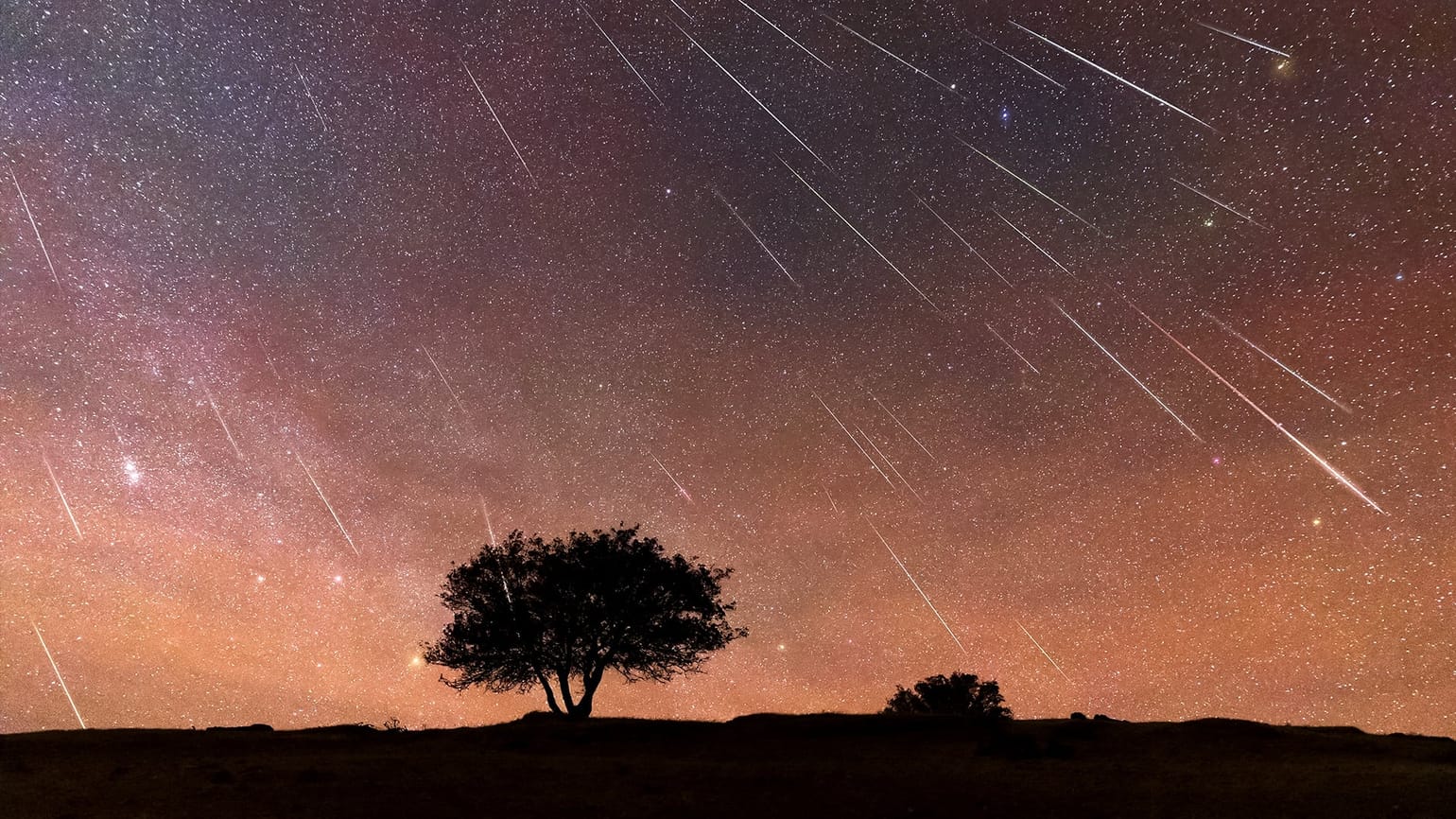
Astronomers say night-sky enthusiasts will be treated to three major celestial events on Aug. 12, 2026: a six-planet alignment, a total solar eclipse during the day and the peak of the Perseid meteor shower.
In many locations, the day will begin with a planetary alignment before sunrise and end with Perseid meteors streaking across the sky after sunset.
A rare sunset eclipse
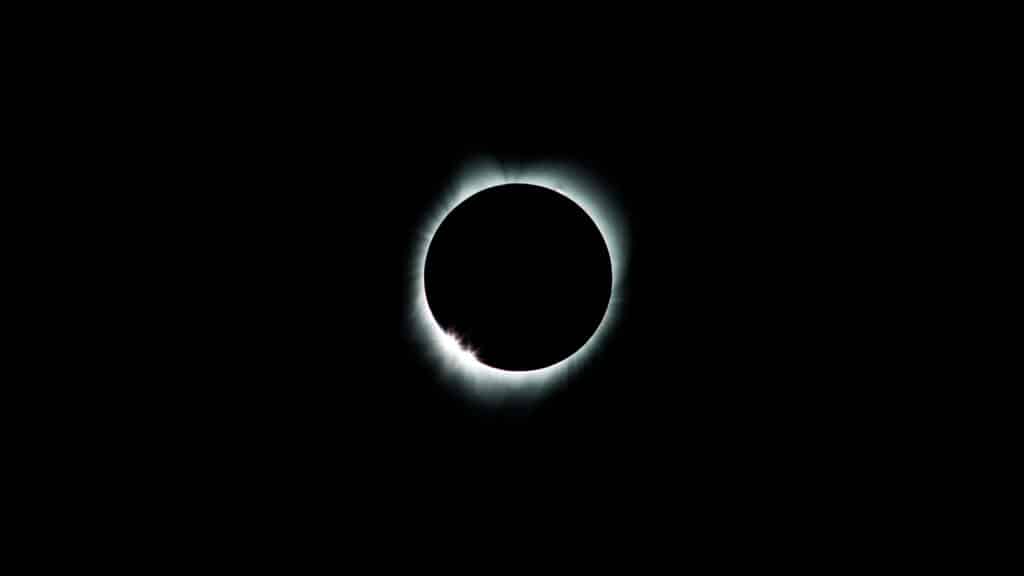
The total solar eclipse will be the main event. It will be the first total solar eclipse visible in many locations in 27 years. The eclipse will occur late in the day, when the sun is low on the horizon, creating a rare «sunset eclipse» or «golden-hour eclipse» effect. For photographers, the combination of a low sun and totality could make this one of the most striking eclipse-photography opportunities in years.
Ideal conditions for the Perseids
Viewing conditions for the Perseid meteor shower in 2026 will also be unusually favorable. The shower will peak around the new moon, leaving the sky dark and free of significant moonlight. That will be a major improvement over 2025, when moonlight interfered with observations.
The next time the Perseids are expected to peak around a new moon will be in 2045, making 2026 a particularly good year to observe the meteor shower under dark skies.
Six planets before sunrise
The planetary alignment will be the quietest of the three events, but it could make for a memorable start to the day. Before sunrise, six planets will appear in the morning sky. Some will be visible to the naked eye, while others will require binoculars or a small telescope.
Think of it as a celestial warm-up for the day’s main attractions: the total solar eclipse and the Perseid meteor shower.