Russia’s official dictionary: A playbook for authoritarian control


Throughout history, states have recognized that controlling language is essential for consolidating political power. From France’s 1635 establishment of the Académie française to regulate its tongue, to Greece’s century-long debate pitting vernacular Demotic against classicized Katharevousa, managing the written word has always been key to statecraft.
In 2025, the Russian government has officially introduced a new national dictionary, signaling a major effort to systematically regulate public discourse and align the Russian language with state ideology. In her analytical essay «On Russia’s New Official Dictionary and the Language of Authoritarianism,» writer Katherine Kelaidis examines how this newly authorized reference book operates as a prescriptive political instrument rather than a neutral linguistic catalog.
Read also: Inside the library behind bars: The most popular books in prison.
Compiled by St. Petersburg State University with direct support from the Russian Orthodox Church’s legal department, the dictionary directly serves Vladimir Putin’s 2022 mandate to protect traditional moral and spiritual values.
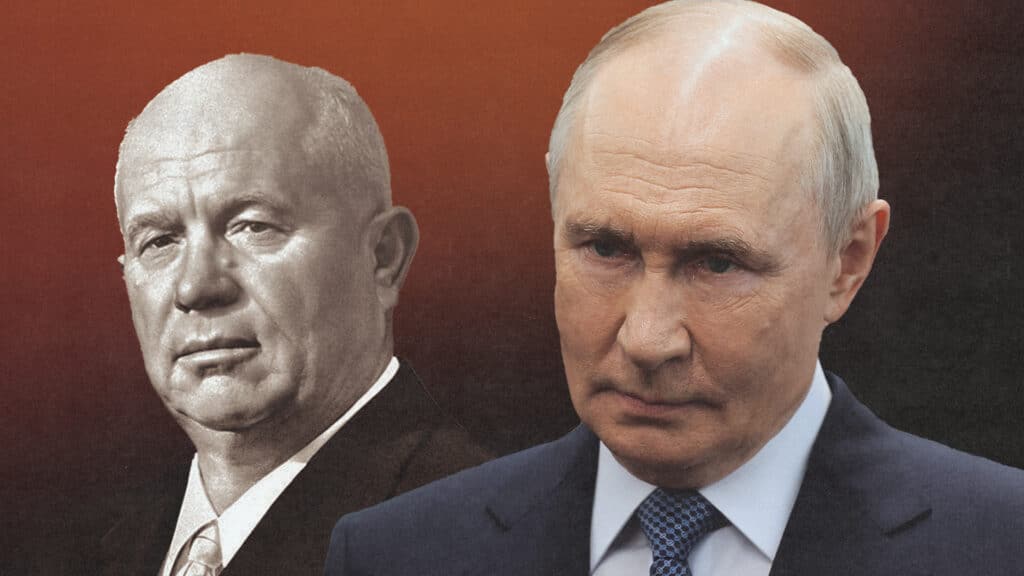
Read also: How Putin’s Russia exploits global grievances to outlast the West.
Ideological definitions and bans
The new dictionary employs highly politicized language to define state authority and moral standards. For instance, it explicitly defines authoritarianism as the single most effective form of government during crises, while banning colloquial terms such as «zhopa» (ass). Furthermore, the dictionary defines life strictly as the period of human existence from conception to death, and characterizes homosexuality as a form of sexual deviation.
According to Kelaidis, these definitions reflect Russia’s broader, global campaign to portray itself as a global guardian of traditional values. By explicitly condemning same-sex marriage as a union not supported by the state and declaring church-sanctioned marriage as eternal, the dictionary mirrors Russia’s efforts to court social reactionaries in Africa, Europe, and the U.S. Through these targeted definitions, the state and the church seek to make opposing viewpoints legally and conceptually unspeakable.
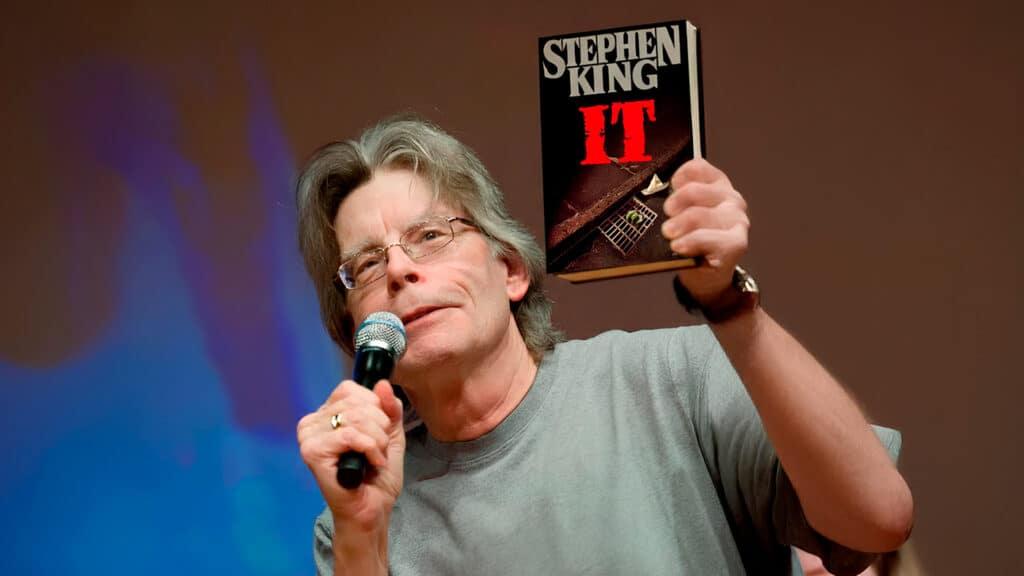
Read also: Russia may rewrite Stephen King’s ‘It’ over ‘inappropriate’ content.
A legacy of imperial censorship
This effort to weaponize language to consolidate political power is not a novel concept in Russian history. While modern readers are familiar with Soviet-era linguistic controls and euphemisms, Kelaidis notes that the current dictionary shares a deeper lineage with the tsarist regimes of the 19th century. Specifically, the new book mirrors the «Official Nationality» doctrine of Sergei Uvarov, Tsar Nicholas I’s education minister, who anchored Russian identity on the triad of orthodoxy, autocracy, and nationality.
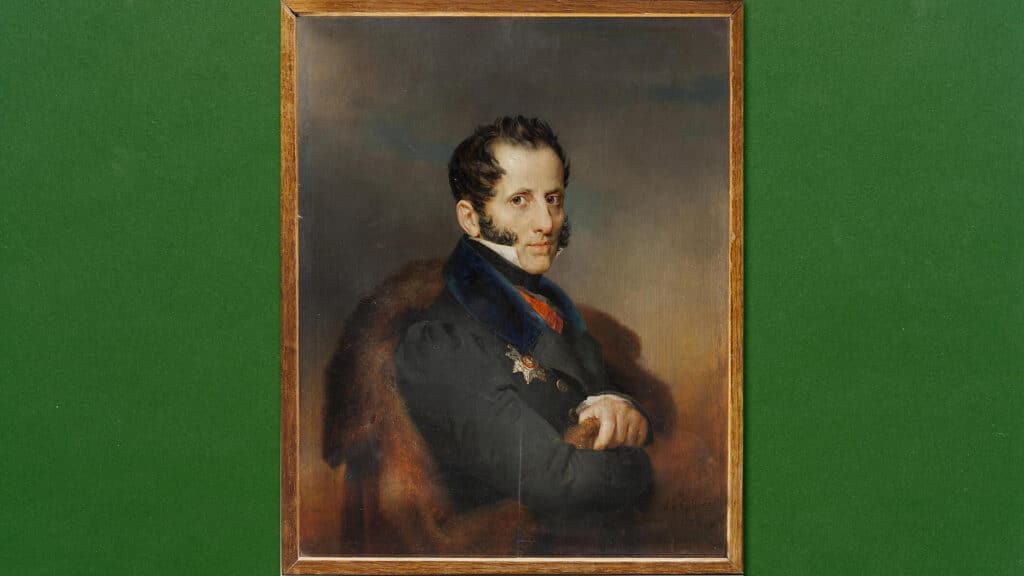
Under Uvarov, the Russian language was treated as a sacred vessel of state-approved morality, severely limiting experimental or critical writing. However, Kelaidis highlights that this highly restrictive environment paradoxically birthed the golden era of the Russian novel. Literary giants like Fyodor Dostoevsky, Leo Tolstoy, Ivan Turgenev, and Nikolai Gogol all emerged under Uvarov’s censorship. The psychological depth, subtle ironies, and rich allegories that define their classic works were directly forged as a survival mechanism against state-imposed constraints.
The limits of linguistic control
The current Kremlin leadership, despite frequently referencing Tolstoy and Dostoevsky, appears to have missed the historical irony of their success. By attempting to purify and discipline the Russian language, the state operates on the flawed premise that it can easily control human expression. Kelaidis concludes that because the human imagination naturally resists rigid boundaries, this latest attempt to restrict the language will ultimately fail to limit the creative and critical potential of its speakers.