Kazakh billionaire backs Monaco project that made $3 billion in six months

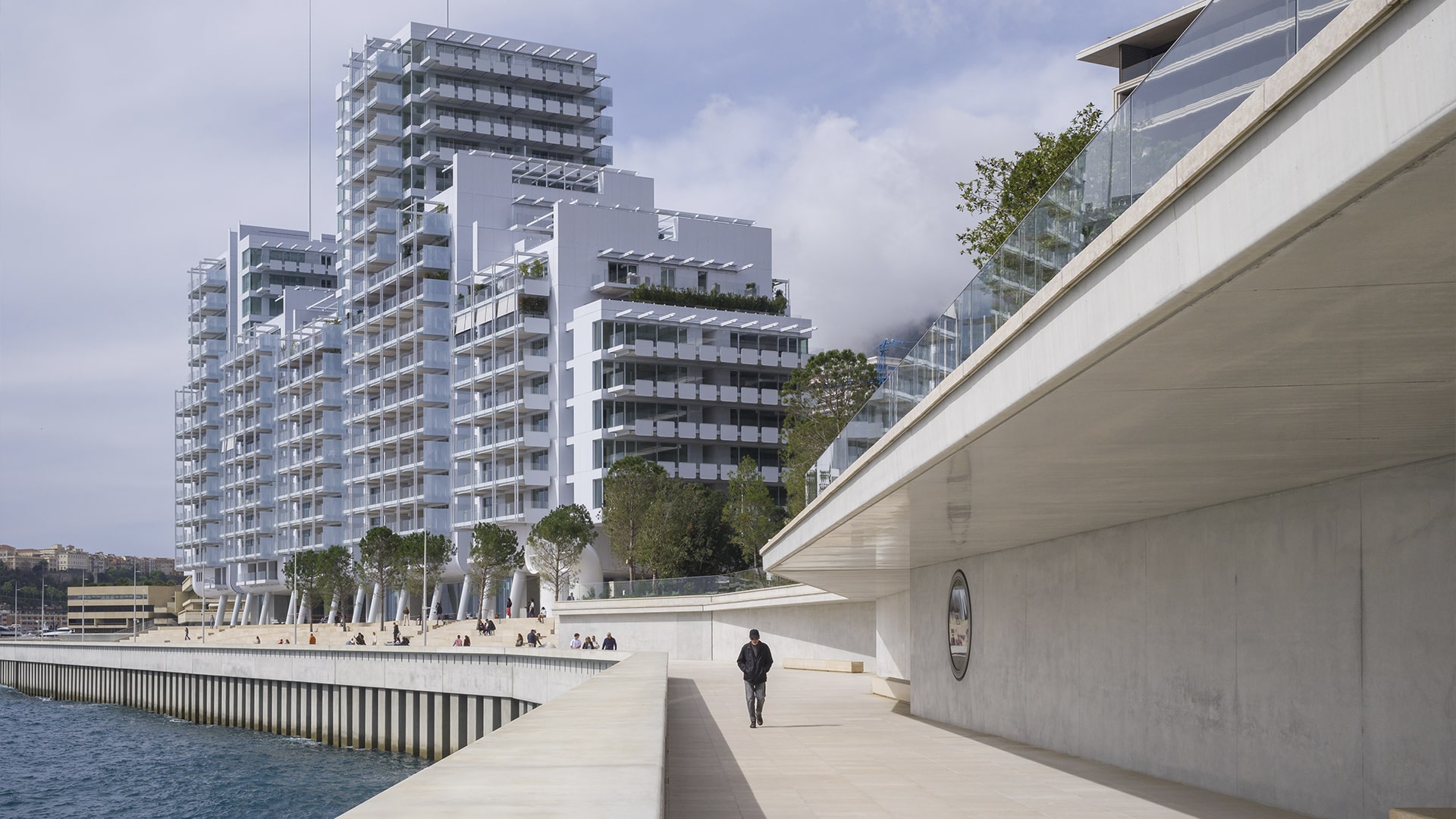
According to Forbes Australia, Mareterra, Monaco’s new luxury residential district, generated $3 billion in net profit for its investors within six months of its completion. Among the project’s investors was Kazakh billionaire Bulat Utemuratov.
Luxury development on the sea
Mareterra is one of the most expensive residential developments in Monaco. Built on reclaimed land along the Mediterranean Sea, the district covers about 6 hectares. The territorial expansion project, initiated by Monaco’s ruler, Prince Albert II, took 11 years to complete and cost approximately $2.3 billion.
As part of the project, 18 enormous concrete structures, known as caissons, were installed on an underwater embankment to create a seawall around the reclaimed land where villas, apartment buildings, plazas and gardens were later constructed. One of the development’s most distinctive buildings is Le Renzo, a ship-like residential complex designed by renowned Italian architect Renzo Piano. The 17-story building features 47 luxury apartments.
Thanks to its unique location in one of the world’s wealthiest enclaves, Mareterra has attracted a number of high-profile residents. Ukrainian billionaire Rinat Akhmetov purchased a 21-room, five-story apartment in Le Renzo for about $550 million. Other reported residents include British billionaire Jim Ratcliffe and Formula 1 drivers Max Verstappen and Charles Leclerc.
Apartments in the district are being offered for around $12,900 per square foot — roughly $138,900 per square meter — about twice the price of properties in Dubai’s most exclusive neighborhoods. Villas in Mareterra are even more expensive. One six-bedroom villa spanning about 41,700 square feet (3,874 square meters), with amenities including a wine-tasting room, indoor and outdoor pools, a spa and a sauna, is expected to command more than €200 million.
Project investors
In 2015, the Monaco government signed a concession agreement with SAM L’Anse du Portier, a newly established real estate company, to develop Mareterra. The public works division of Bouygues, a French engineering group controlled by the billionaire Bouygues brothers, was involved in the project. The Bouygues family controlled 10% of the company, with private investors holding the other 90% through the SCA Anse du Portier investment vehicle.
Mareterra’s largest investor was Patrice Pastor, a member of Monaco’s prominent Pastor real estate dynasty, who held a 26% stake. The Casiraghi family held another 10.5%. Other investors included the Lopez de la Osa family, Swiss billionaire brothers Giammaria and Mario Germano Giuliani, and Kazakh billionaire Utemuratov, each of whom held stakes ranging from 5% to 10%.
Under the agreement, the investors financed the project and were entitled to its profits, excluding real estate sales taxes and a one-time payment of $460 million to the Monaco government.
Total property sales from the development exceeded $6.6 billion, enough to cover construction costs and repay a $1.2 billion bond, while more than $1.8 billion was paid to the Monaco government in taxes and concession fees.
The company behind the Mareterra development generated $3 billion in net profit within six months of the project’s completion, Forbes Australia reported, citing financial filings from one of its investors.
Utemuratov was among those who received a share of the proceeds.
«When you deliver something of genuine distinction, the market responds accordingly. Beyond the financial outcome, there is real satisfaction in having supported a development that has become a landmark for Monaco and the region,» Utemuratov told Forbes.
The district has also benefited from Monaco’s appeal to wealthy residents, who generally do not pay income, inheritance, property or capital gains taxes, with different rules applying to French citizens. Its appeal has grown further amid instability in the Middle East, which has affected Dubai, one of Monaco’s main competitors in the global luxury real estate market.
Earlier this year, Bulat Utemuratov’s son, Anuar, joined the board of directors of British fintech company Pockit. The company’s investors include former Manchester United manager Alex Ferguson and Revolut Chairman Martin Gilbert.