
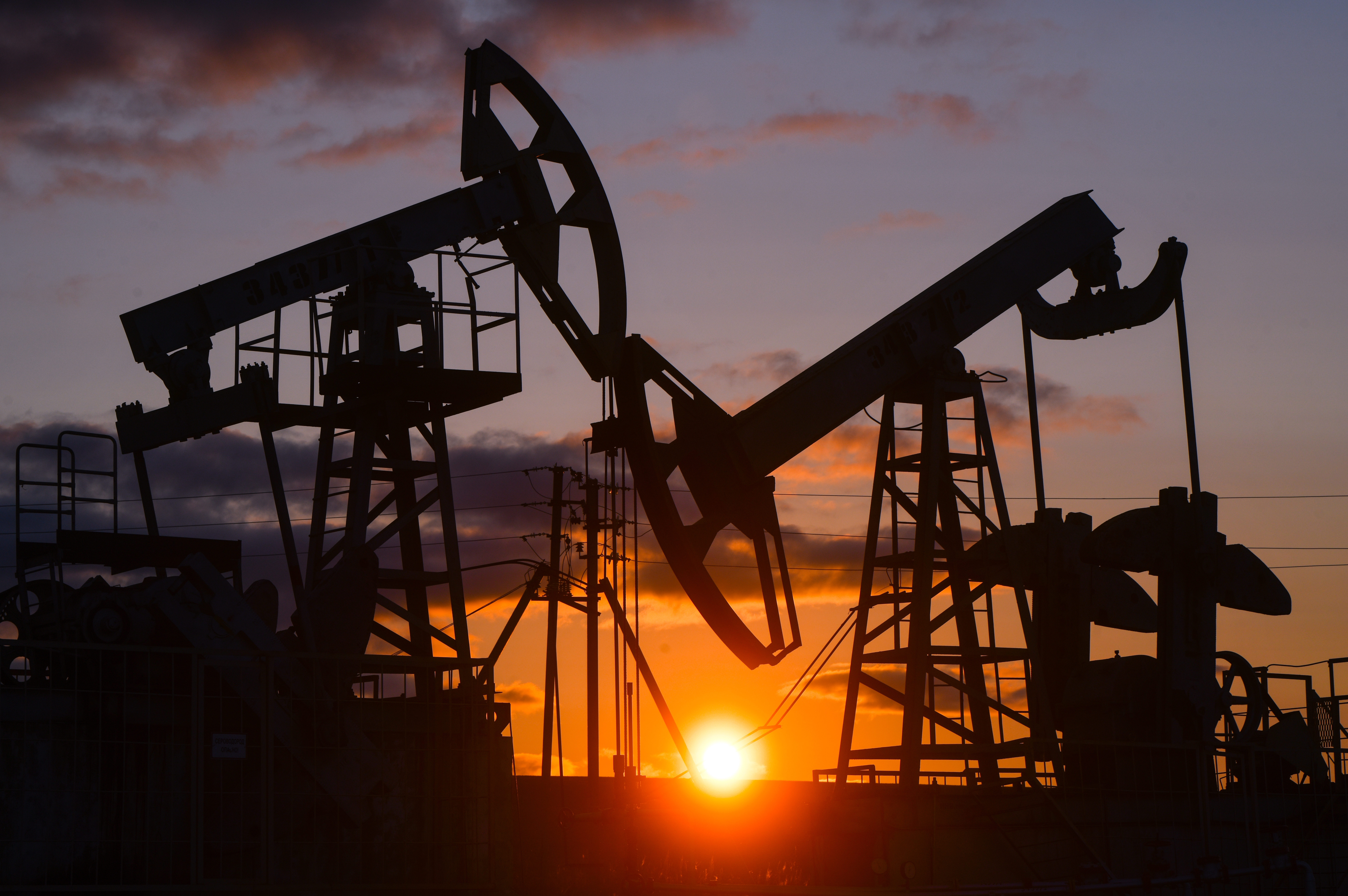
Petroleum continues to be a primary driver of international economic stability and political influence. A recent ranking by World Population Review highlights how various nations manage this finite resource, ranging from absolute reliance to strategic diversification.
The Middle East powerhouses
Saudi Arabia remains a central figure, controlling nearly 17 percent of global reserves while attempting to broaden its economic base through the Vision 2030 initiative. Conversely, Iraq faces significant hurdles because oil represents roughly 85 percent of its government income, leaving the state budget extremely vulnerable to market shifts. Kuwait utilizes its vast wealth to support a small population through extensive welfare programs and a massive sovereign wealth fund.
Struggles in South America and Africa
While Venezuela possesses the planet’s largest proven reserves, its industry has largely crumbled under the weight of poor investment and political instability. In Africa, producers like Nigeria (Africa’s largest oil producer) and Angola struggle with the reality that high export revenues often fail to improve the general standard of living for their large populations. These nations frequently encounter budget instability and currency fluctuations when global prices drop.
A model for the future
Norway stands as a unique exception by funneling its energy profits into a $1.4 trillion sovereign wealth fund, which is the largest of its kind. This disciplined approach, combined with the development of robust technology and fishing sectors, ensures the nation remains stable regardless of oil demand shifts.
The disparity in management proves that underground riches only provide long-term security when paired with institutional foresight.