
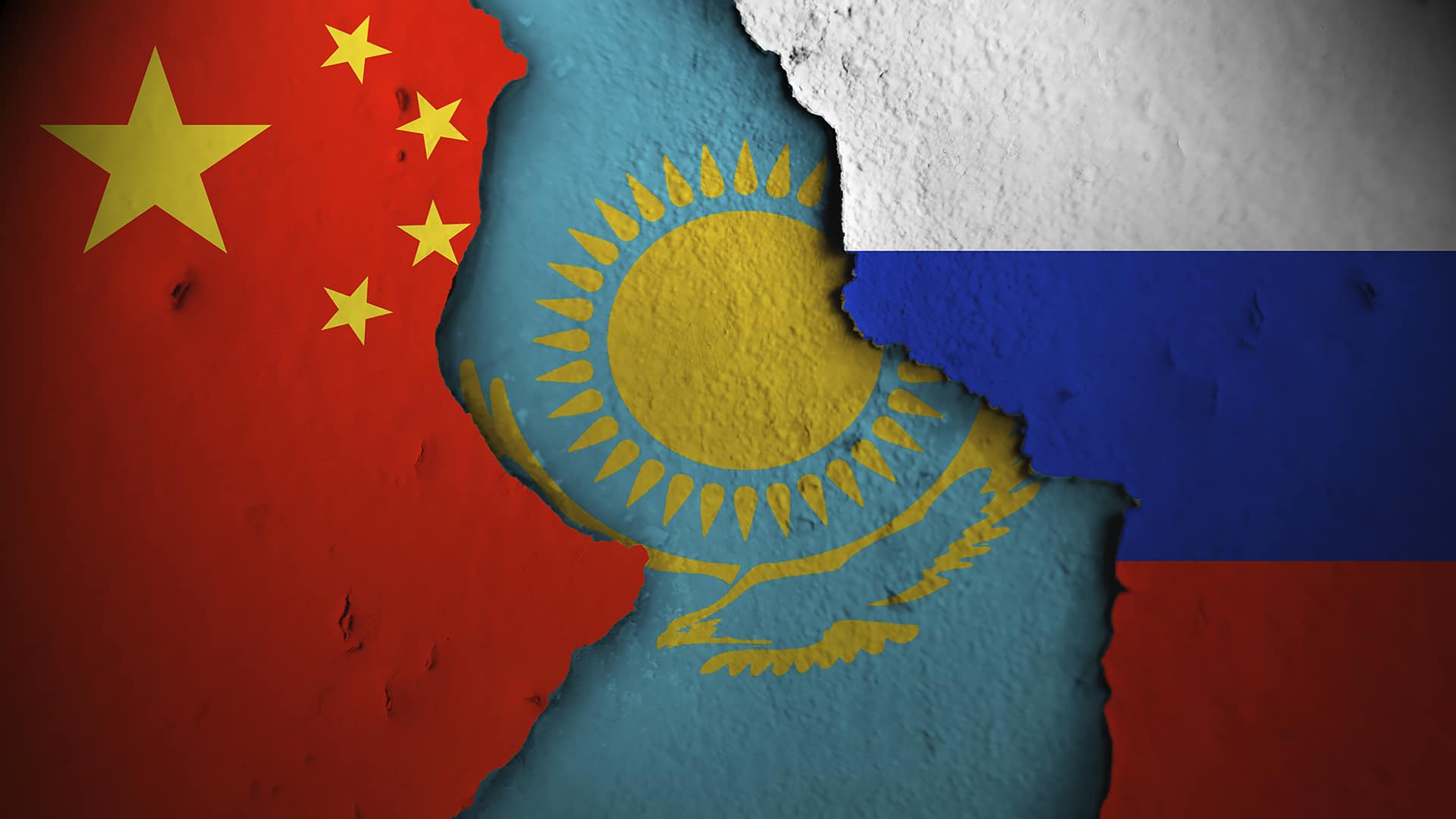
Kazakhstan increased exports to France, Turkey and the United Kingdom early this year, while its trade share with Italy and Russia declined, economist Ruslan Sultanov said on his Tengenomika channel.
At the same time, the country is becoming increasingly dependent on industrial imports from China and Russia, he noted.
Strategic vulnerability concerns
Despite greater diversification in exports by product and geography, imports remain highly concentrated, Sultanov said.
«While the export basket is shifting from oil to metals such as uranium, copper and silver, and agriculture is expanding into markets like France, Turkey and the U.K., dependence on imports from China and Russia has reached a critical level of 62%,» he said.
«This creates a pattern of strategic vulnerability: Russia supplies essential goods such as energy and food, while China provides technological development through machinery and equipment.»
Trade grows in early 2026
Sultanov analyzed foreign trade data for the first two months of 2026. Total trade reached $21.7 billion, up 11.3% from a year earlier.
Exports rose to $12 billion, also up 11.3%, while imports totaled $9.6 billion, an increase of 11.4%.
Key export categories posted strong gains:
- Metals rose 48% to $2.6 billion.
- Agricultural products increased 41% to $715 million.
- Food products climbed 45% to $672.5 million.
Shifting export markets
Italy — a major destination for Kazakh oil — declined in importance, with trade falling from $2.9 billion to $2.2 billion and its share dropping from 27% to 18%. Meanwhile, China’s share grew 16% to $1.9 billion.
Shipments to several European markets surged:
- Netherlands: up 65% to $930 million.
- Turkey: up 66% to $916 million.
- France: up 80% to $826 million.
Import growth led by energy and technology
Imports rose 11.4% year over year. Notable increases included:
- Electric generators: up 8.5 times to $340.5 million.
- Natural gas: up 82.2% to $218.3 million.
- Smartphones: up 32% to $278 million.
China and Russia remain Kazakhstan’s largest import partners. Imports from both countries increased from $2.4 billion to about $3 billion each, with their shares rising from 28% to 31%. Together, they account for more than 60% of total imports.