
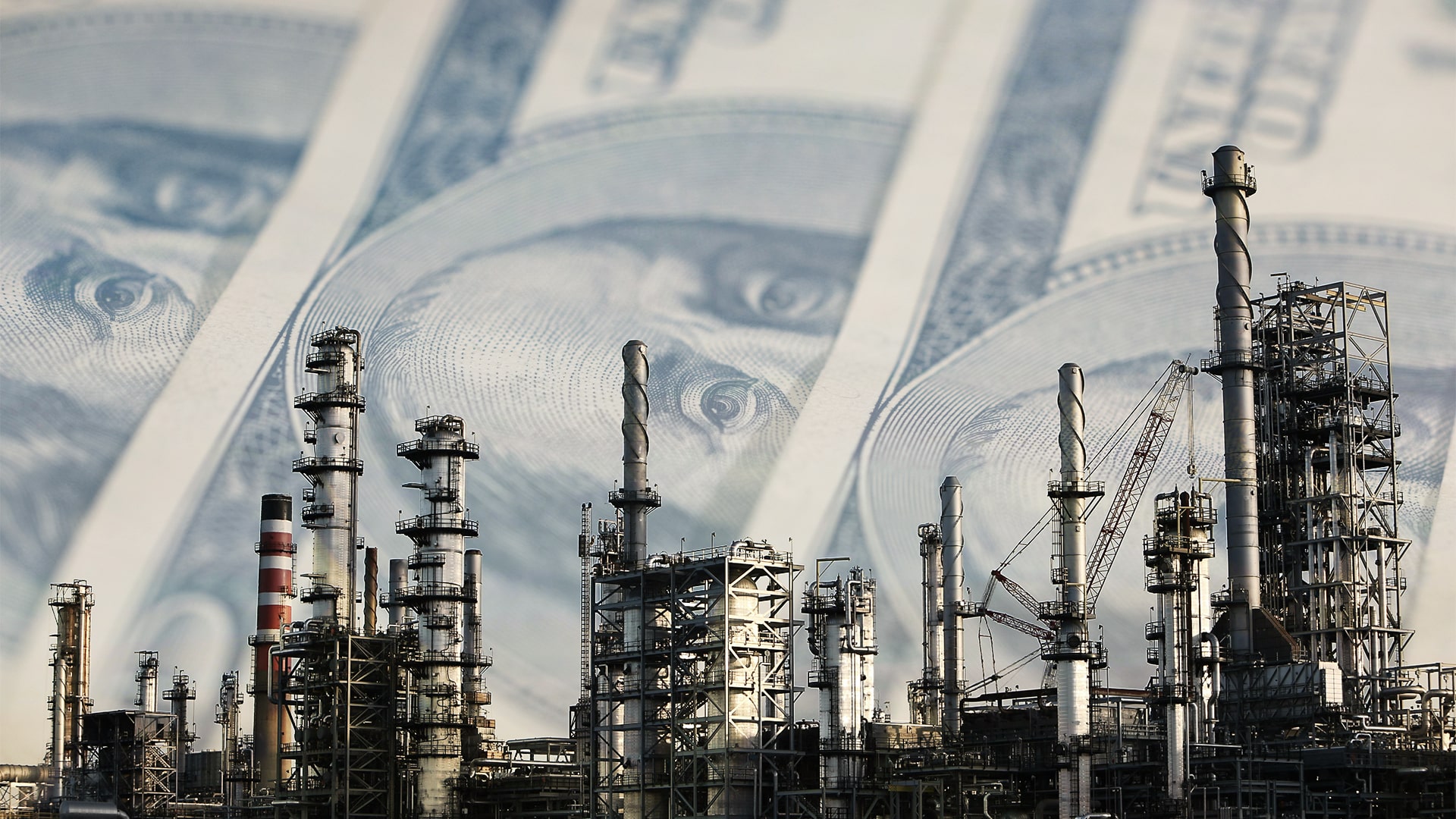
Building a fourth large oil refinery in Kazakhstan with an annual processing capacity of 10 million tons could cost as much as $15 billion, including infrastructure expenses, according to Nurlan Zhumagulov, author of the Telegram channel Energy Monitor.
Zhumagulov said the estimated price tag is comparable to the cost of constructing a nuclear power plant.
Raw material supply seen as key challenge
According to the analyst, the main issue facing the project is securing a reliable crude oil supply base for the future refinery.
«Given the government’s policy of raising gasoline prices by only 1 tenge per month after lifting the price cap, the economics of the project remain questionable,» Zhumagulov said.
He added that Kazakhstan may need to fully transition to market-based fuel pricing by 2030 to make the refinery financially viable.
After the fuel price moratorium ended, major gas station chains in Astana began increasing prices for AI-92 gasoline and diesel fuel by approximately 1 tenge per liter each month.
Pipeline expansion may be required
Several proposals have been discussed regarding the refinery’s location. One option would place the facility in the Ulytau region near the Kazakhstan-China oil pipeline.
However, Zhumagulov said the existing Atyrau-Kenkiyak-Kumkol pipeline would need to be expanded from its current capacity of 8 million tons per year to 25 million tons annually. The expansion would also support planned upgrades at the Shymkent and Pavlodar refineries.
The analyst also warned that Kazakhstan already faces logistical problems transporting roughly 10 million tons of petroleum products produced domestically because of a shortage of locomotive capacity.
As a result, he said, the country may eventually need dedicated pipelines to transport gasoline and diesel fuel to major consumption centers, particularly southern Kazakhstan.
Smaller refineries may be more practical
Zhumagulov questioned whether Kazakhstan should instead focus on developing smaller refineries with annual capacities of 1 million to 2 million tons.
«As an example, Georgia’s Kulevi Refinery has a capacity of 1.2 million tons and was built for $700 million,» he said. «Our country tends to favor oversized projects.»
Earlier proposals also suggested building the fourth refinery in the Mangystau region to support local oil sales and create jobs.
Government studying feasibility
On March 20, Kazakhstan’s Energy Ministry announced the start of a preliminary feasibility study for the proposed refinery project.
Authorities are considering the possibility of supplying crude oil from the Kashagan and Tengiz fields, as well as using blended crude delivered through the national pipeline network.