
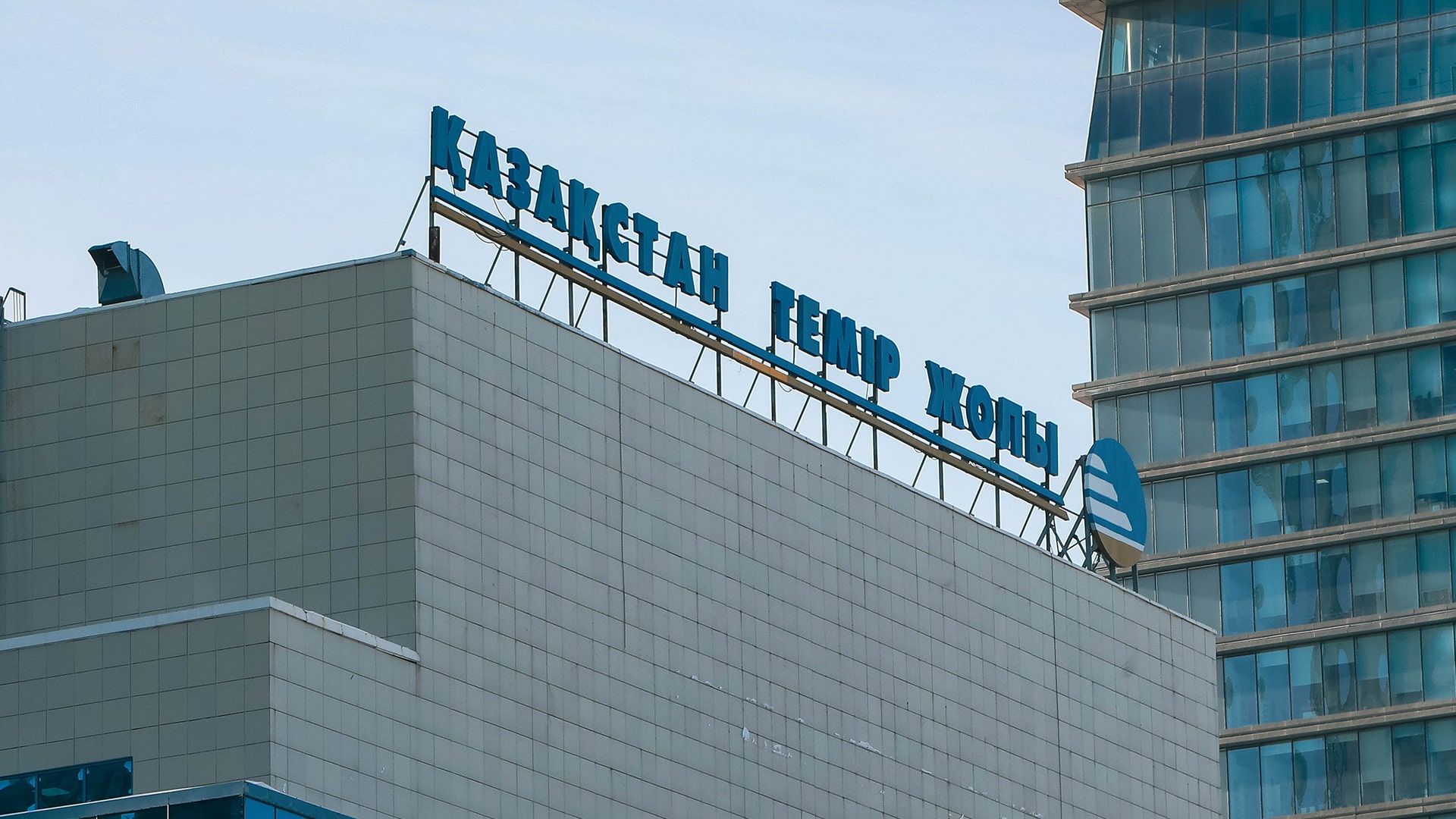
Kazakhstan Temir Zholy (KTZ), the national railway operator and a subsidiary of Samruk-Kazyna, plans to list its common shares and global depositary receipts (GDRs) on the Astana International Exchange (AIX), the London Stock Exchange (LSE) and the Hong Kong Stock Exchange (HKEX), according to a document the company published following its June 29 shareholders’ meeting.
Charter updated for Hong Kong listing
At the meeting, Samruk-Kazyna approved a revised version of KTZ’s charter, replacing the previous version adopted on May 27, 2022.
According to the document, the updated charter incorporates the listing requirements of the HKEX. The company’s proposed corporate governance framework under the new charter will also be submitted to Kazakhstan’s State Commission for Economic Modernization and Samruk-Kazyna’s board of directors for review.
KTZ has previously announced plans to float 25% of its shares through an initial public offering on the LSE and Kazakhstan’s domestic stock market.
Kazakhstan has two stock exchanges: the Kazakhstan Stock Exchange (KASE) and the AIX.
Domestic listing requirement
Until Jan. 1, 2026, Kazakhstan required domestic issuers to offer at least 20% of the shares or GDRs included in an IPO on the local market. Beginning Jan. 1, 2026, that threshold increased to 30%.
Based on KTZ’s previously announced plans to sell a 25% stake, at least 7.5% of the company’s total shares — representing 30% of the IPO offering — would have to be listed on the AIX.
Freight business subsidizes loss-making operations
KTZ generates a significant share of its revenue from freight transit between China and Europe.
At the same time, the company aims to make the transportation of socially important goods, including coal, within Kazakhstan financially sustainable. To do so, it is seeking regulatory approval for higher tariffs.
Passenger rail services also remain unprofitable, and KTZ relies on earnings from freight exports and international transit to offset losses in its passenger and domestic social freight operations.