
Kazakhstan could become a storage site for Iran’s uranium stockpiles if Washington and Tehran reach an agreement on a nuclear deal, the FT reported, citing Rafael Grossi, director general of the International Atomic Energy Agency (IAEA).
Existing uranium bank
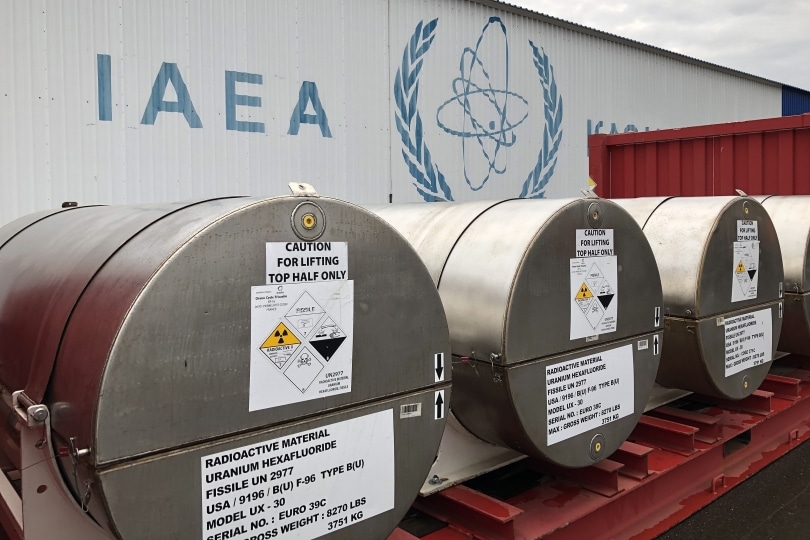
Grossi noted that a facility for storing low-enriched uranium (LEU) already exists in Kazakhstan’s city of Oskemen (Ust-Kamenogorsk).
He said the material could be stored safely in that IAEA-operated LEU bank, adding that such an arrangement could be acceptable to both the U.S. and Iran.
Grossi added that any final decision would depend on the outcome of the negotiations.
Talks on possible storage
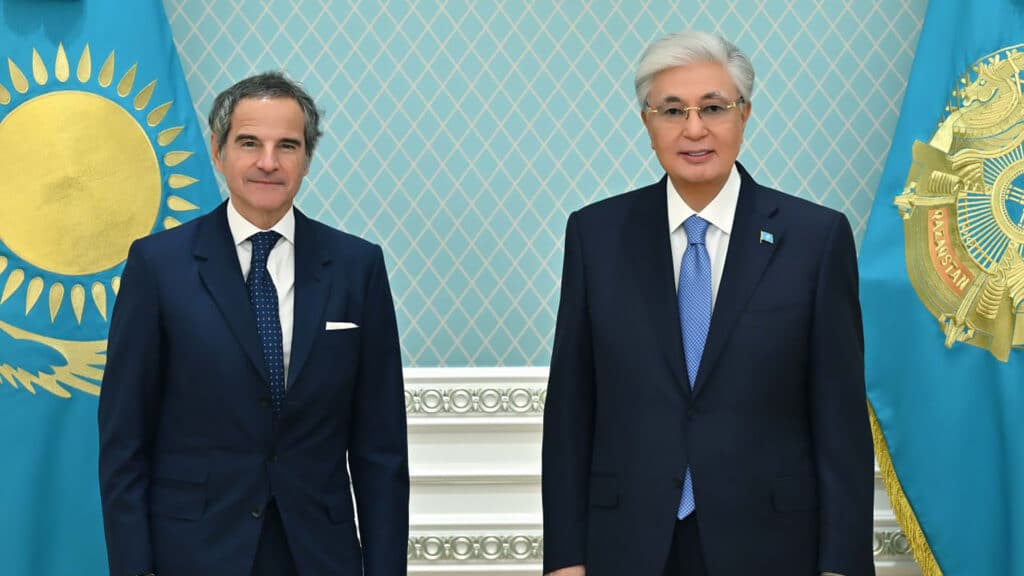
Grossi said the possibility of storing the material in Kazakhstan was discussed during his meeting with President Kassym-Jomart Tokayev in Astana last week.
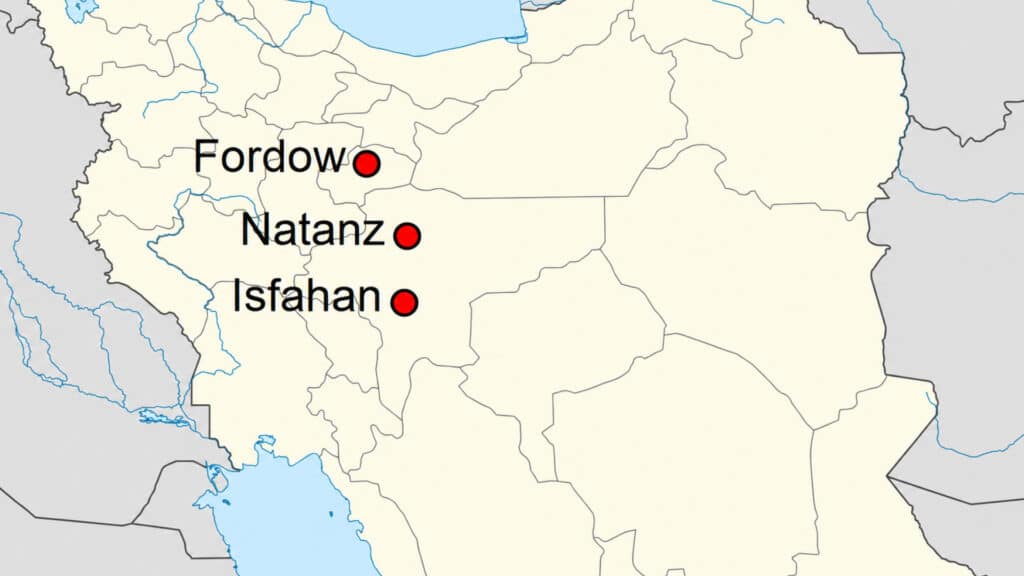
The uranium in question consists of approximately 440 kilograms enriched to 60%, a level considered close to weapons-grade material. According to the IAEA, a significant portion of the disputed uranium may be buried beneath the rubble of facilities in Natanz, Fordow and Isfahan that were previously struck.
At the same time, experts note that even if parts of the infrastructure have been destroyed, the existence of the stockpiles continues to pose a risk of further escalation.
Key issue in U.S.-Iran talks
The fate of the uranium stockpiles remains one of the most contentious issues in negotiations between the U.S. and Iran.
Washington insists that the uranium either be transferred out of Iran or destroyed under international supervision.
Tehran, meanwhile, officially rejects the idea of transferring the stockpiles abroad but remains open to discussing options for diluting the material or relocating it as part of a broader agreement.