
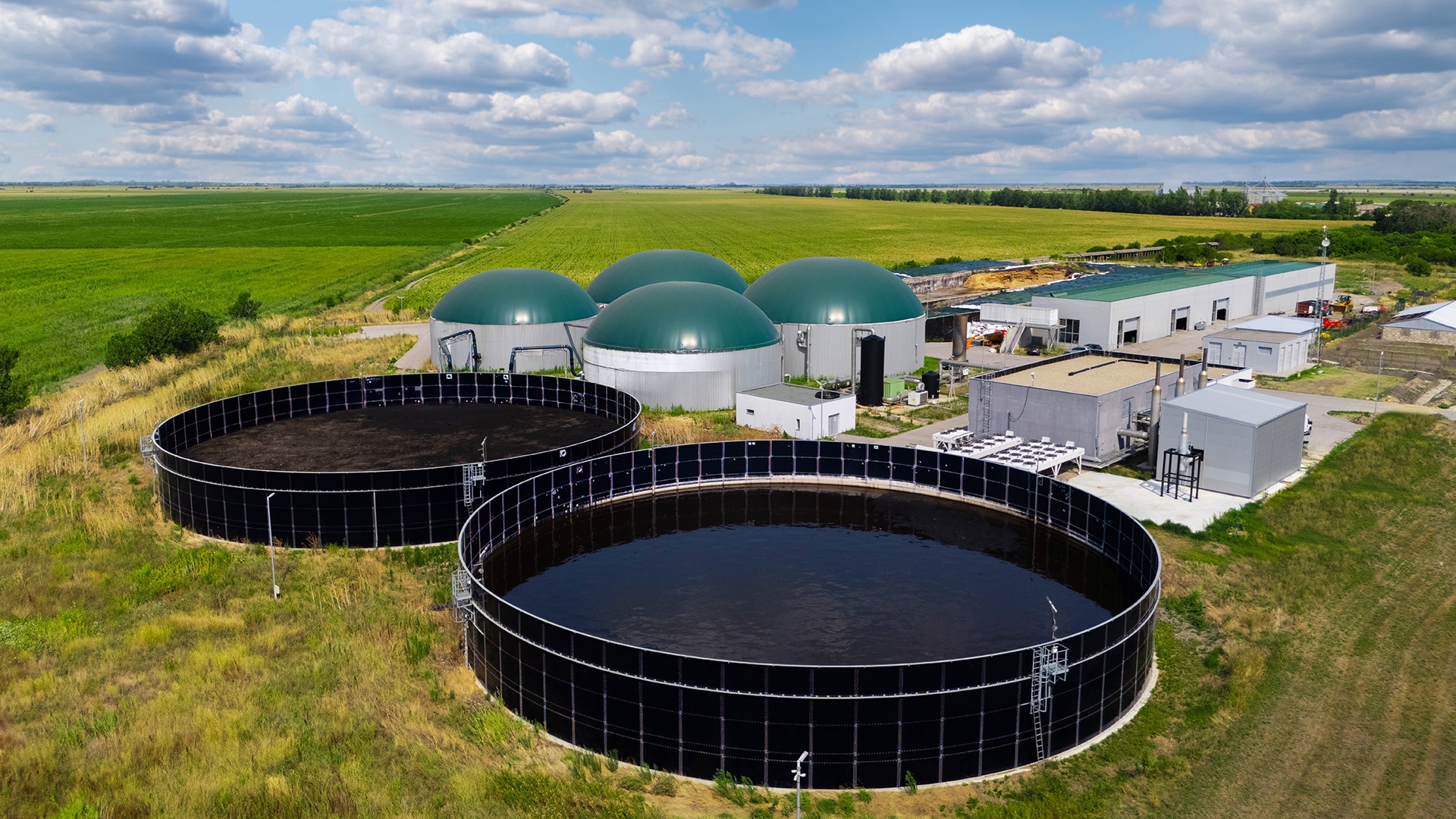
The current tariffs for biogas power plants in Kazakhstan are discouraging investment and delaying the launch of new projects, according to Evgeny Churdalev, CIS sales director at Jenbacher & Waukesha Gas Engines.
According to Churdalev, the maximum auction price for electricity generated by biogas power plants is 32.23 tenge ($0.068) per kilowatt-hour, compared with as much as 130 tenge ($0.28) per kilowatt-hour for waste-to-energy plants.
How biogas plants work
Biogas plants generate electricity and heat from organic waste, including manure, food scraps, sewage sludge and landfill gas. In sealed anaerobic digesters, the waste decomposes without oxygen, producing biogas with a high methane content. After purification, the gas is used to fuel generators that produce electricity, while the remaining digestate can be used as organic fertilizer.
Low tariffs remain the biggest obstacle
«Landfill gas utilization with energy generation is a well-established option in landfill operations. What practical barriers do we see? First and foremost is the tariff policy at auctions. Thirty-two tenge per kilowatt-hour is only 5 tenge higher than the industrial electricity tariff, and that is nowhere near enough to reach the breakeven point for a dedicated power generation facility, where generation equipment accounts for only about 30% of capital expenditures (CAPEX), while auxiliary systems represent 50% to 80%, with operating expenses (OPEX) at a comparable level,» Churdalev said at the 10th Eurasian Business Forum: Green Energy & Waste Recycling.
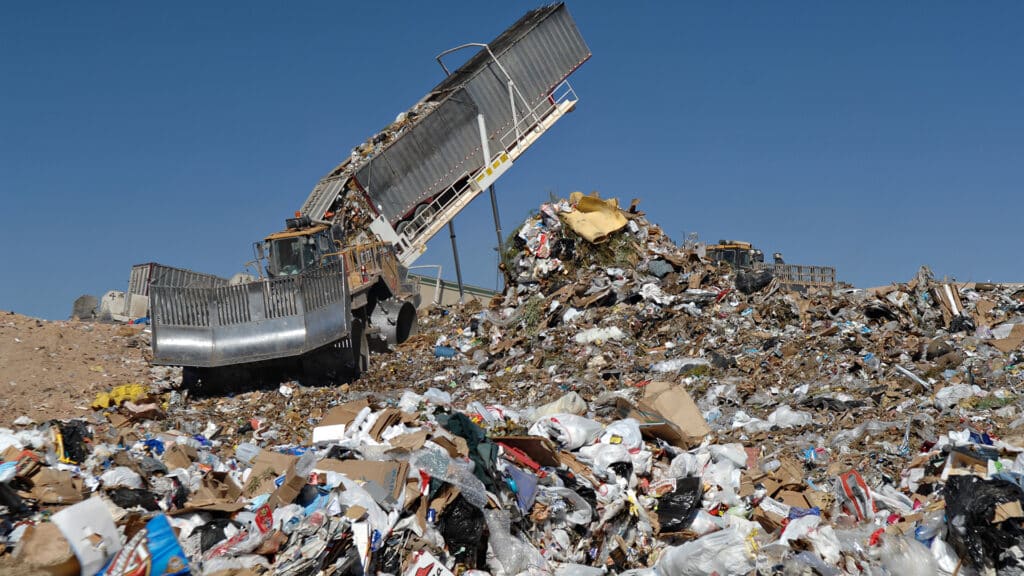
Churdalev noted that the unfavorable tariff structure explains why only a limited number of biogas power plants are operating in Kazakhstan.
He also cited several other barriers to development, including the unstable composition of biogas, the presence of impurities that require complex purification systems, limited access to financing, the lack of established carbon credit mechanisms, and the high upfront cost of building infrastructure and gas collection systems.
Industry calls for higher incentives
Kazakhstan needs to increase tariffs offered to investors seeking to develop biogas power plants, Alma Zhukenova, a representative of KOREM, Kazakhstan’s centralized electricity market operator, said in 2025.
According to Zhukenova, investors are unlikely to pursue biogas projects at the current tariff of 32.23 tenge/kWh when they can instead develop waste-to-energy plants eligible for tariffs of up to 130 tenge/kWh.
She added that biogas plants can produce not only electricity but also renewable gas and organic fertilizer.
Among the measures she proposed were subsidizing up to 50% of the cost of equipment and machinery used to process agricultural waste, increasing the electricity tariff for biogas plants through amendments to the Ministry of Energy’s regulations, and introducing subsidies for organic fertilizers produced by biogas facilities beginning in 2026.