
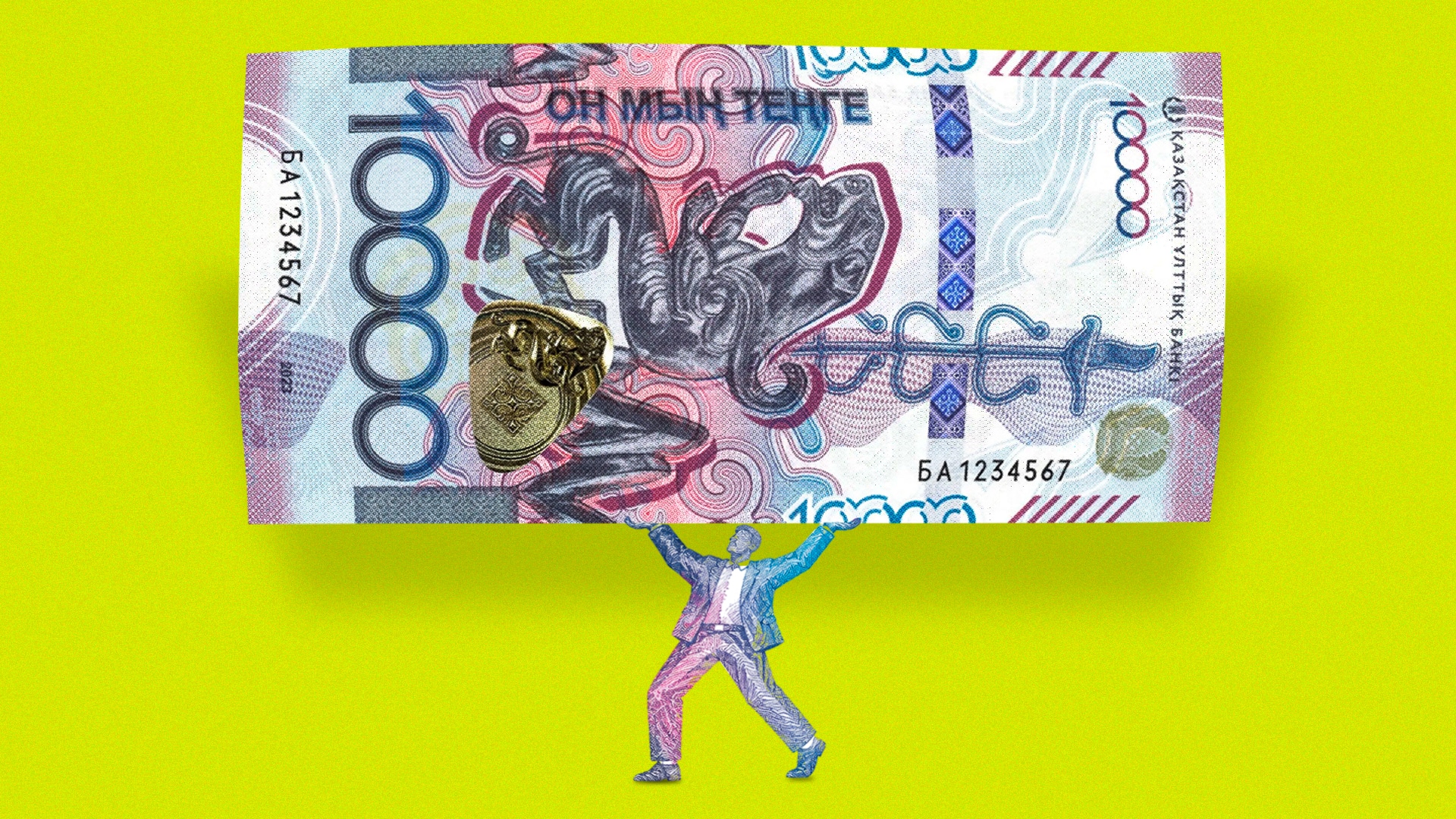
This week, Kazakhstan’s National Bank will lift the requirement for quasi-state-owned companies to sell 50% of their foreign currency earnings on the domestic market, a measure introduced last year to support the tenge.
National Bank Governor Timur Suleimenov said the requirement was adopted as a temporary anti-crisis measure when the tenge experienced significant exchange rate volatility.
«It was, so to speak, an anti-crisis response. We plan to lift it…» Suleimenov said. «It won’t fundamentally affect the balance of supply and demand in the foreign exchange market. Companies still need to sell foreign currency because their expenses are denominated in tenge, as they always have. Nevertheless, it will have some effect.»
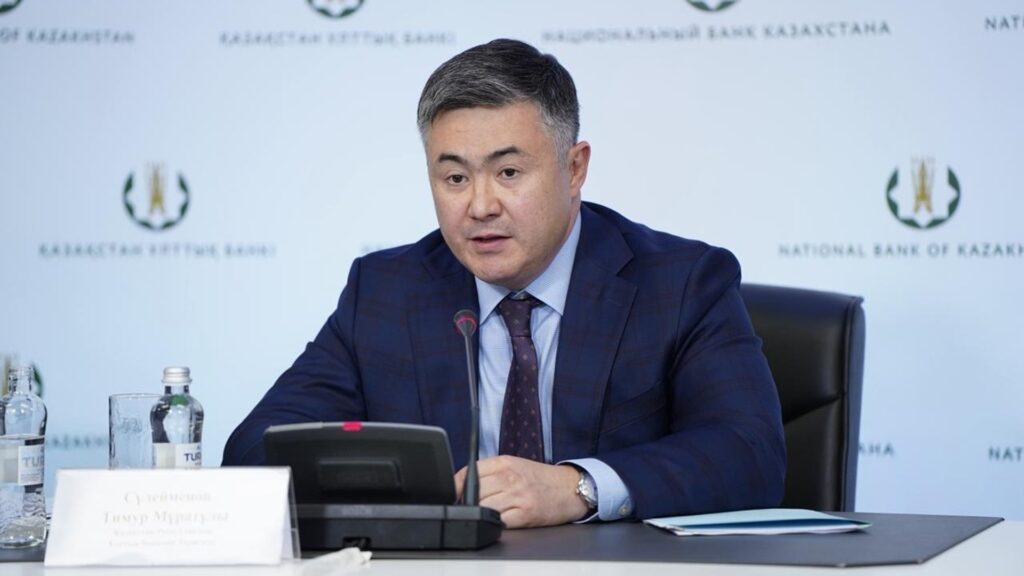
Suleimenov said ending the requirement is not expected to have a significant impact on the tenge’s exchange rate. However, he noted that the National Bank could reinstate the measure if necessary.
Foreign investment supports the tenge
Suleimenov attributed the tenge’s continued strength to increased portfolio investment from foreign investors.
He said large banks and other financial institutions have been purchasing Kazakhstan’s government securities, citing the country’s strong macroeconomic fundamentals as a key factor driving investor interest.
«If any investor’s interests are threatened, they will, of course, withdraw from any investment. But as long as they see their interests protected, they will feel comfortable in this jurisdiction. This is precisely what is happening in Kazakhstan,» Suleimenov said.
According to the National Bank chairman, nonresident investors currently hold about 8% of Kazakhstan’s government debt.