

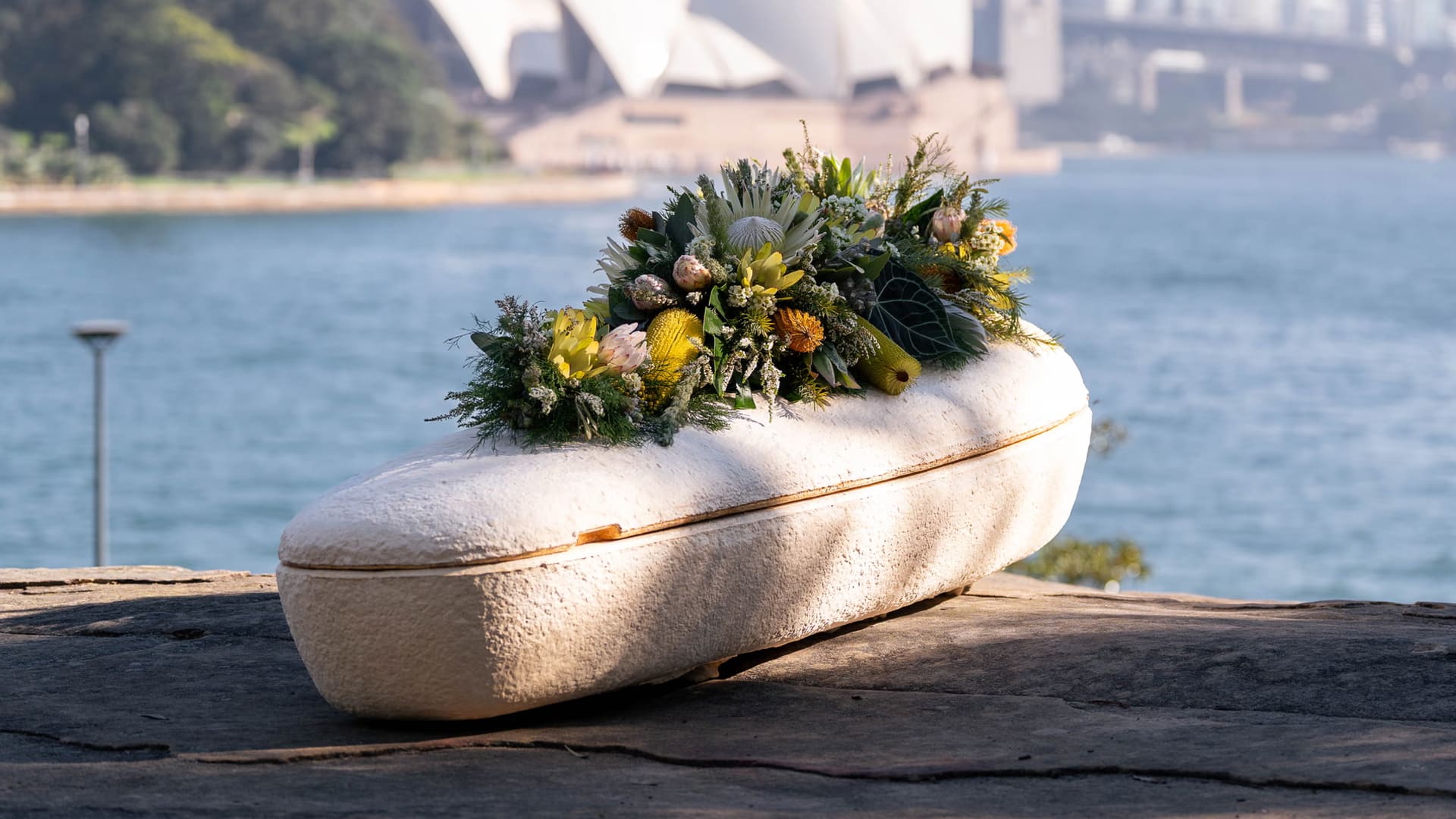
While some countries have regulations requiring funerals to be modest, environmentally conscious people elsewhere are looking for more sustainable ways to be buried. In New South Wales, Australia, a 70-year-old woman named Carolyn was buried in an unusual biodegradable capsule made from mushrooms and hemp. Kursiv LifeStyle looks at the origins of the concept and why it could point to a possible future for sustainable burials.
How the capsule is made
The burial capsule was created by Dutch company Loop Biotech. It is made from mycelium, the threadlike network that forms the main body of a fungus. The mycelium is grown in a specially designed mold, where it develops into a sturdy material. Hemp fibers are added to reinforce the structure.
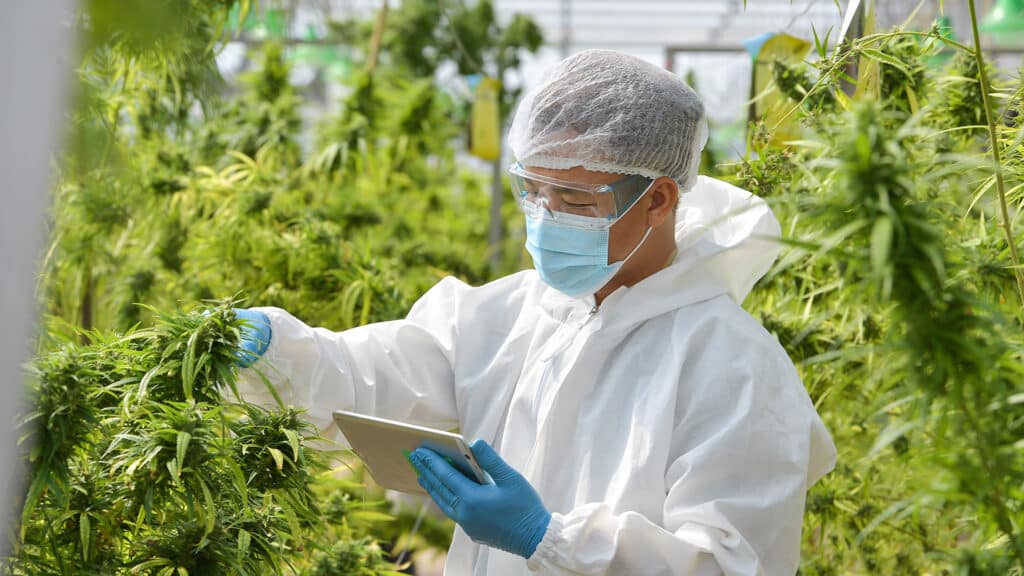
According to the company, producing one of the so-called «bio-coffins» takes about seven days, and the finished capsule weighs approximately 30 kilograms.
The capsule’s most distinctive feature becomes apparent after burial. According to Loop Biotech, it can decompose in the soil within about 45 days under suitable conditions. By comparison, conventional wooden coffins can take years or decades to break down, depending on the type of wood and environmental conditions.
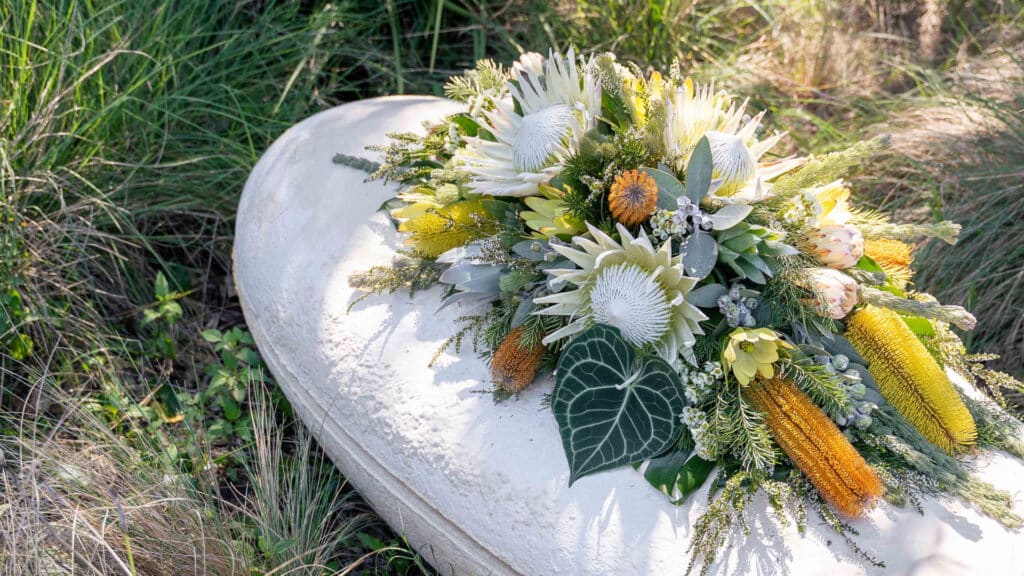
The material is designed to break down naturally in the soil rather than simply disappear. As it decomposes, it contributes organic matter to the surrounding soil.
A final journey back to nature
An Australian man named Donald learned about the technology and chose it for his 70-year-old wife, Carolyn, after she died.
Donald said his wife had always cared deeply about the environment during her lifetime, so returning her to nature in a biodegradable capsule felt like the most fitting choice.
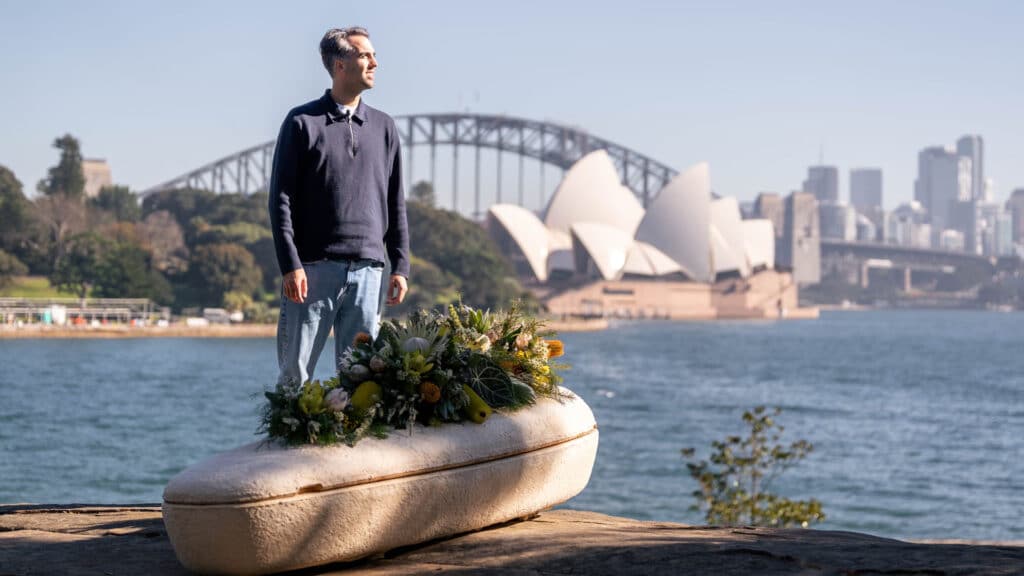
Carolyn was buried at a cemetery in Springwood, New South Wales, surrounded by family and friends. According to Loop Biotech, she became the first woman in Australia to be buried in one of the company’s capsules.
Could fungi reshape the way we think about burial?
The concept reflects growing interest in fungi and mycelium as sustainable materials. Researchers and companies are exploring their potential applications in areas ranging from packaging and construction to textiles and other biodegradable products.
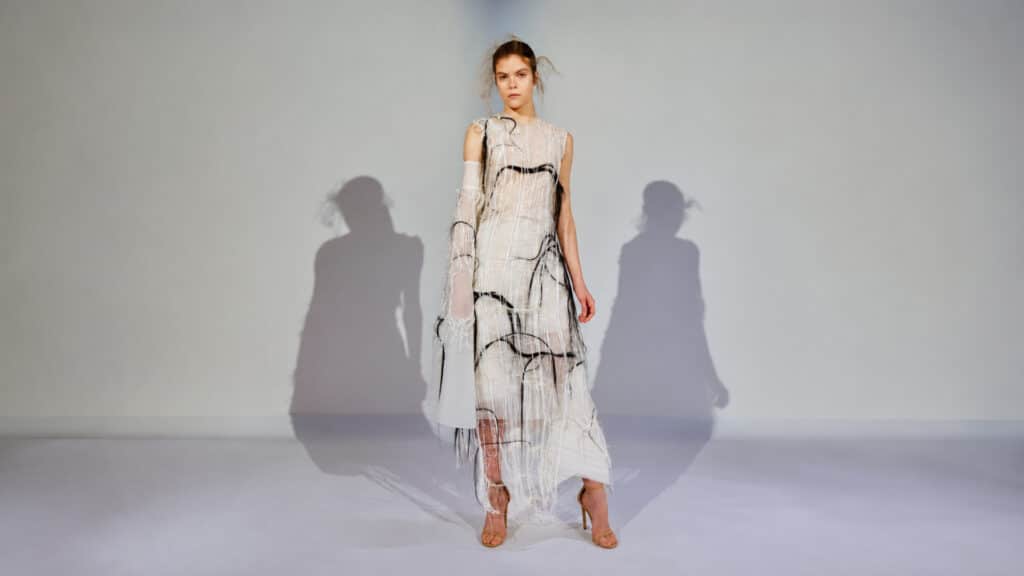
Read also: Mushrooms, milk, and spiderwebs: The weird future of sustainable fashion.
Whether mycelium-based burial products become a mainstream alternative to conventional coffins remains to be seen. For now, they offer another way for people who prioritize environmental sustainability to consider how their final arrangements affect the natural world.