

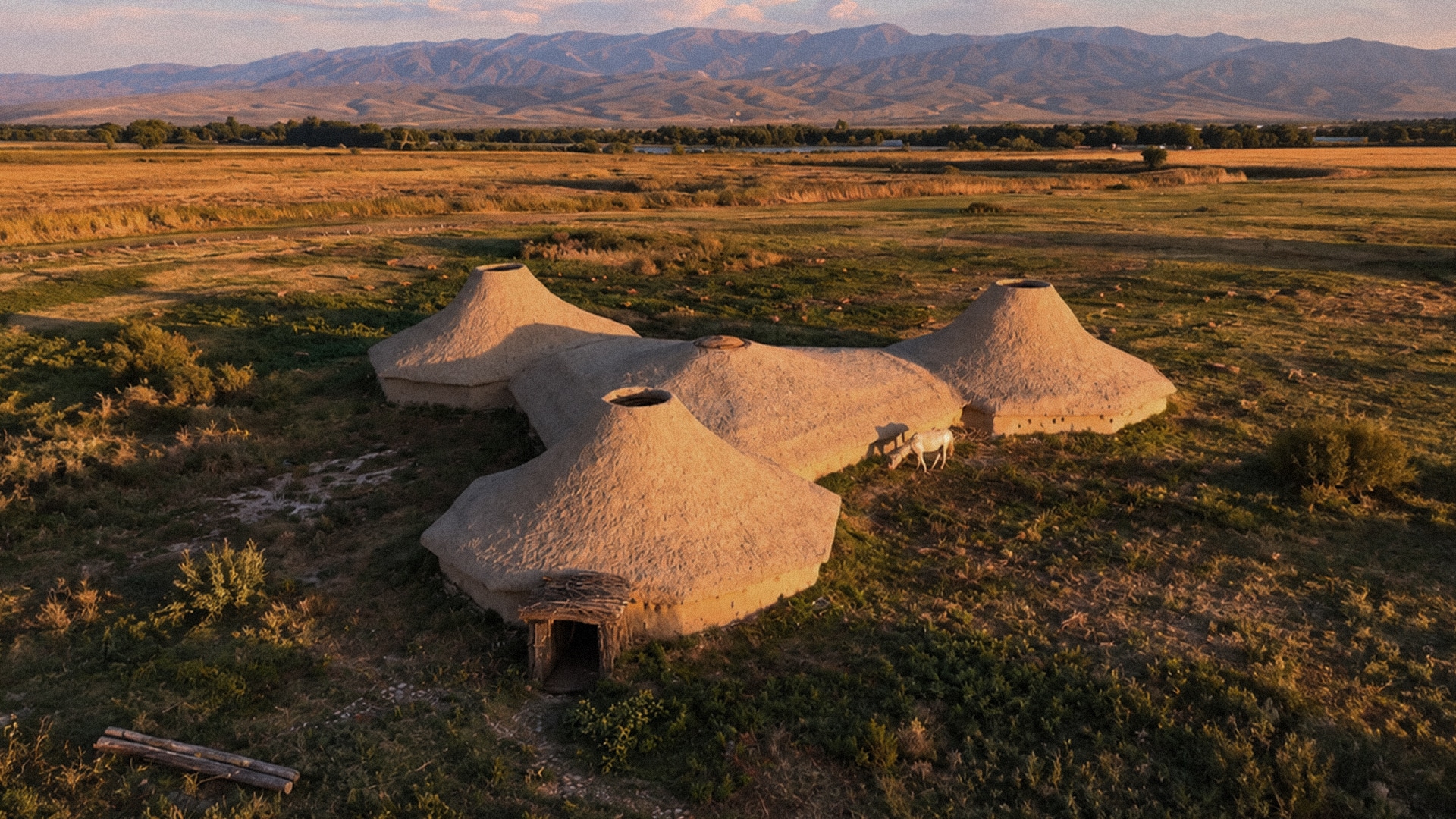
An unusual open-air museum, long rumored to be inaccessible to the public, is gaining popularity on social media. The place is real, and ordinary tourists can visit it. Kursiv LifeStyle explains where it is located and how to get in.
The museum, called Ush Qiyan («Three Expanses»), was founded by independent researcher Nurbol Baimukhan. It is located near the village of Akshi in the Enbekshikazakh district, about 70 kilometers from Almaty.
What visitors can expect
A similar art installation inspired by ancient dwellings has also been built in Borovoe. The architecture of the Ush Qiyan complex draws on the traditions and dwellings of steppe nomads, creating the impression of a portal to the past. Its interiors feature domed structures with central skylights, horse-themed installations and traditional decor. Images of the site have attracted thousands of social media users, many of whom have responded enthusiastically.
Despite rumors that the site is an exclusive club for wealthy visitors, the museum is open to ordinary tourists. However, visits must be arranged in advance, and the criteria used to select visitors, if any, have not been made public.
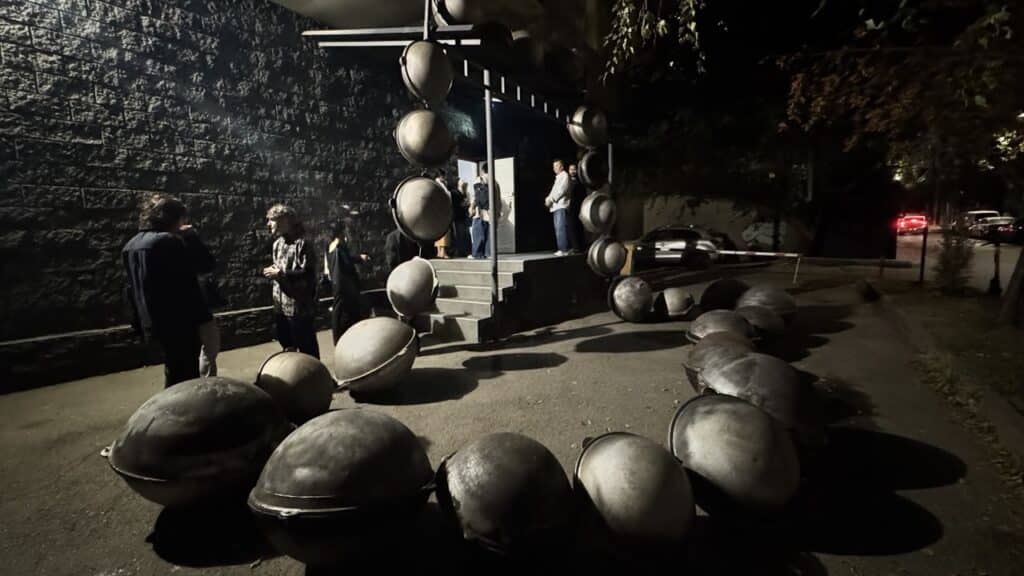
Read also: Kazans adorn Almaty street in new Askhat Akhmedyarov art exhibition.
Who is Nurbol Baimukhan?
Baimukhan is a Kazakh researcher whose work spans history and genetics. He heads a commercial research center that offers DNA testing for ancestry research, known in Kazakh as shezhire, as well as for finding relatives.
He also worked as a co-producer on «Equus: Story of the Horse,» an international documentary series made by filmmakers from several countries. The project explores the horse’s role in human civilization and the development of nomadic cultures, including at Kazakhstan’s Botai settlement.