


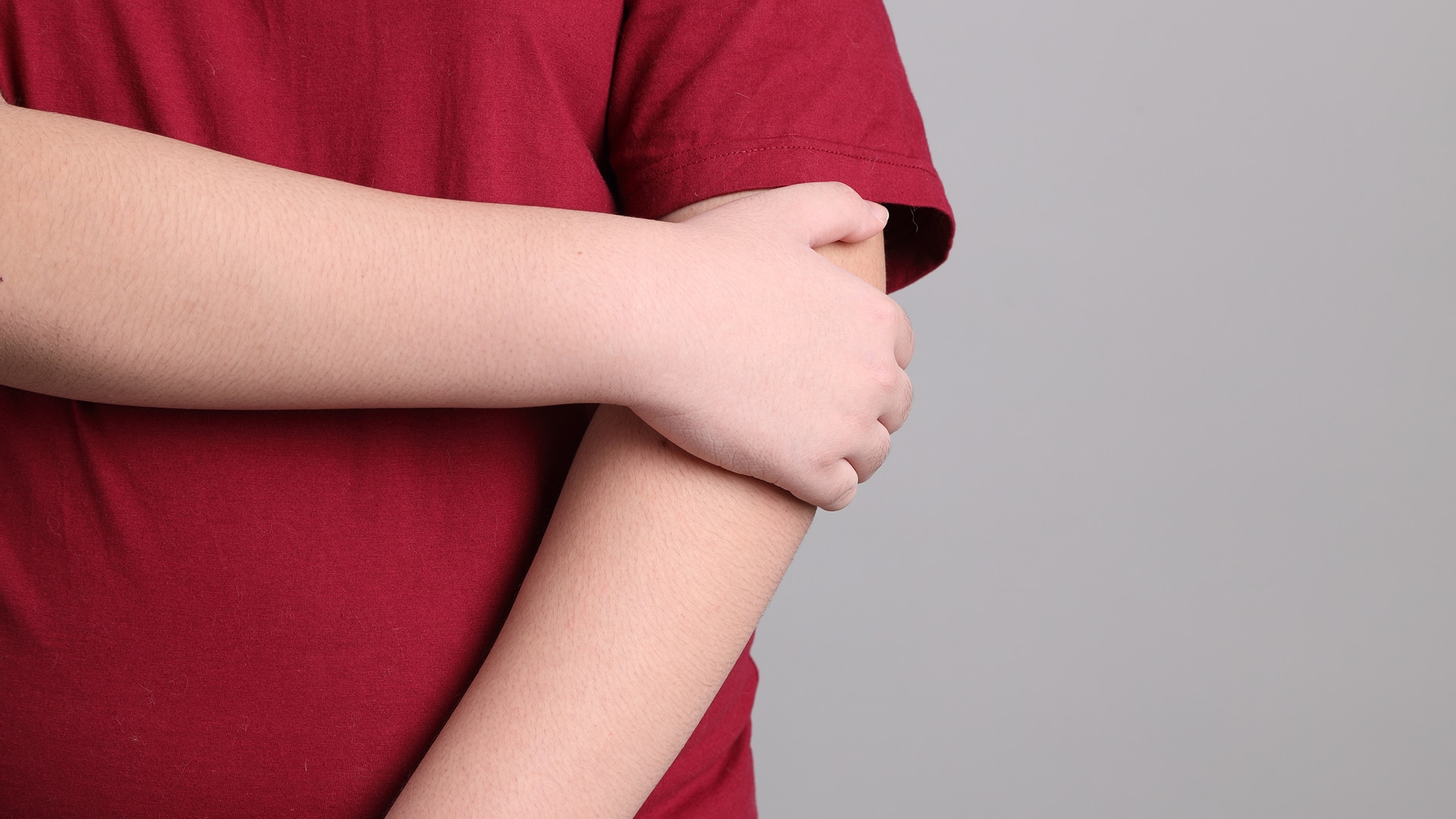
Childhood obesity was a key topic at the Salamatty Mektep («Healthy School») forum in Astana, amid growing concerns about children’s health in Kazakhstan. According to reported figures, 23.2% of children ages 5-9 in the country are overweight.
The Ministry of Health reported that more than 1,100 cases of Type 2 diabetes were recorded among children and adolescents under age 18 last year, including 237 newly diagnosed cases.
Why early intervention matters
Health care professionals emphasize the importance of identifying and addressing excess weight during childhood. Obesity is associated with an increased risk of developing Type 2 diabetes and cardiovascular disease later in life.
Parents are encouraged to provide balanced meals and help children stay physically active. Establishing healthy routines early can support children’s long-term well-being and help address potential health risks.
Read also: Sidelined by weight: New study links obesity to 600,000 jobless Britons.

The ministry said Kazakhstan is placing greater emphasis on the quality of school meals, access to sports and physical activity, and disease prevention.
Addressing obesity without stigma
Health care experts stress that efforts to address excess weight should never lead to bullying or humiliation. Shaming children, making fun of their bodies or commenting on their appearance in public is unacceptable.
Rather than relying on criticism or reprimands, adults should create an environment in which nutritious food and regular physical activity are comfortable, accessible and natural parts of everyday life.
WHO guidance on childhood obesity
The World Health Organization (WHO) has issued guidance on addressing childhood obesity. For children younger than 10, the organization emphasizes healthy nutrition, physical activity and supportive care.
These measures can help families and communities foster healthier habits while ensuring that children receive care and support without stigma.
