



Sometimes, people begin to stammer or take longer to formulate answers. Such changes do not necessarily indicate an illness, but speech can reveal important clues about brain health.
A new study by scientists in Latin America found that people with Alzheimer’s disease and certain forms of dementia are more likely to have speech patterns that sound older than their chronological age.
The researchers developed an automated tool called a «speech clock.» It analyzes speech characteristics and estimates a person’s so-called speech age.
How does the speech clock work?
The scientists analyzed audio recordings from nearly 3,000 Spanish-speaking adults across several Latin American countries. Participants were asked to retell a short cartoon’s story, recall it again 20 minutes later and name objects belonging to specific categories.
Using machine learning, the researchers evaluated more than 700 speech characteristics, including speaking speed, pause length, voice pitch, emotional expression, vocabulary and the accuracy of word choice and meaning.
Read also: Alzheimer’s breakthrough: Simple blood test hailed as ‘game-changer’ for diagnosis.

The program then calculated the difference between a person’s estimated speech age and chronological age.
In general, younger-sounding speech tends to be faster and more fluent, with shorter pauses and more precise word choice.
What did the study find?
Among healthy participants, the gap between speech age and chronological age was small. Among people with Alzheimer’s disease and various forms of frontotemporal dementia, the gap was larger and tended to increase with disease severity.
An older-sounding speech profile was also associated with signs of accelerated brain aging. Participants with these speech patterns were more likely to show greater structural brain changes and alterations in brain activity on MRI scans.
Read also: Study ties high blood sugar to accelerated brain aging.
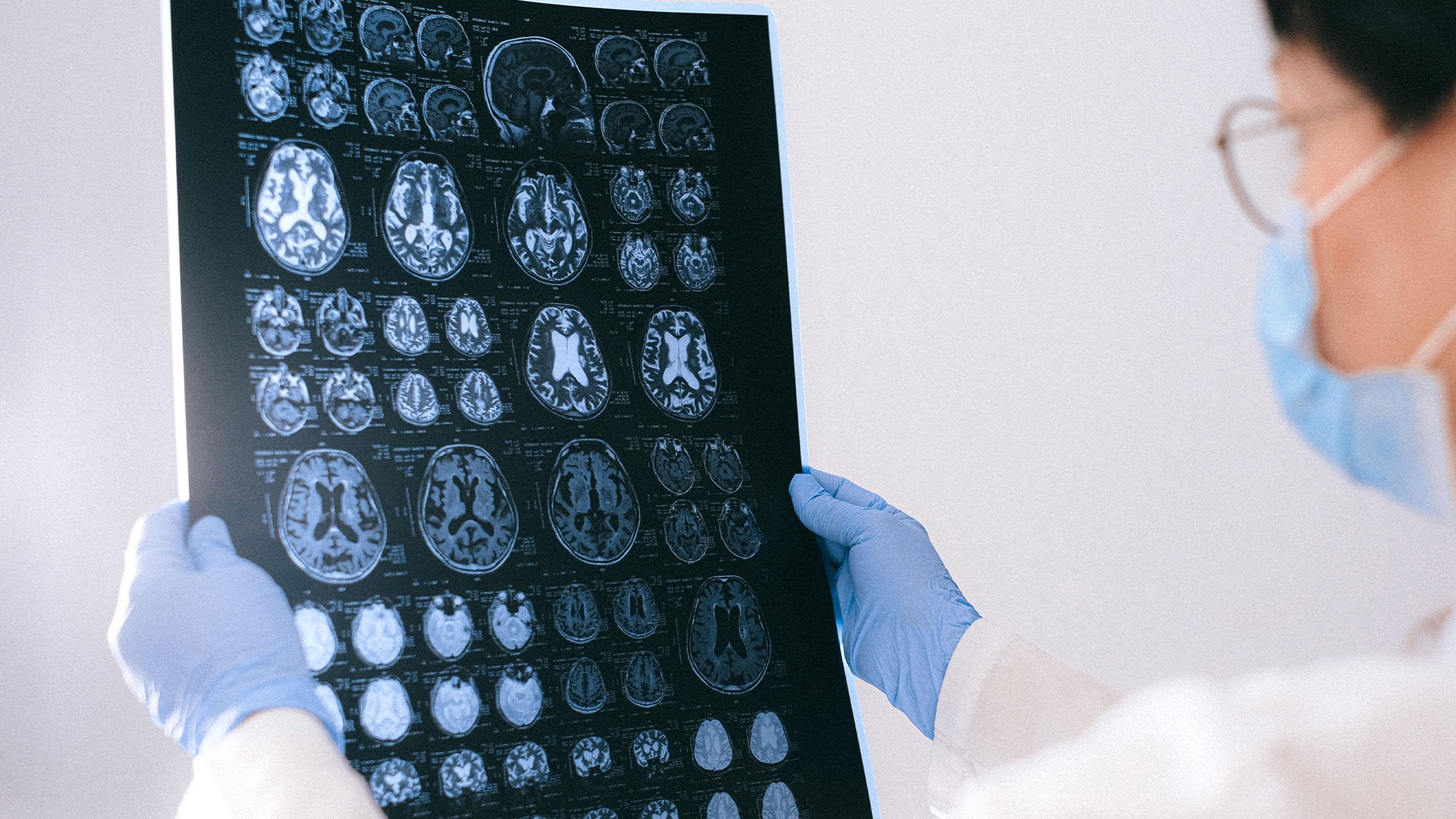
Higher speech age was also associated with elevated blood levels of the protein p-tau217, a biomarker used in assessing Alzheimer’s disease.
People whose speech sounded older also performed worse on tests of memory, attention and problem-solving.
Could speech analysis replace MRI scans and blood tests?
The researchers believe speech analysis could offer a simple, relatively inexpensive way to assess certain signs of cognitive aging. The approach requires only an audio recording, and the analysis can be performed automatically and remotely.
The authors therefore see the speech clock as a potential tool for assessing cognitive aging and identifying signs of cognitive impairment. However, further research is needed before the technology can be used reliably in clinical practice.
