


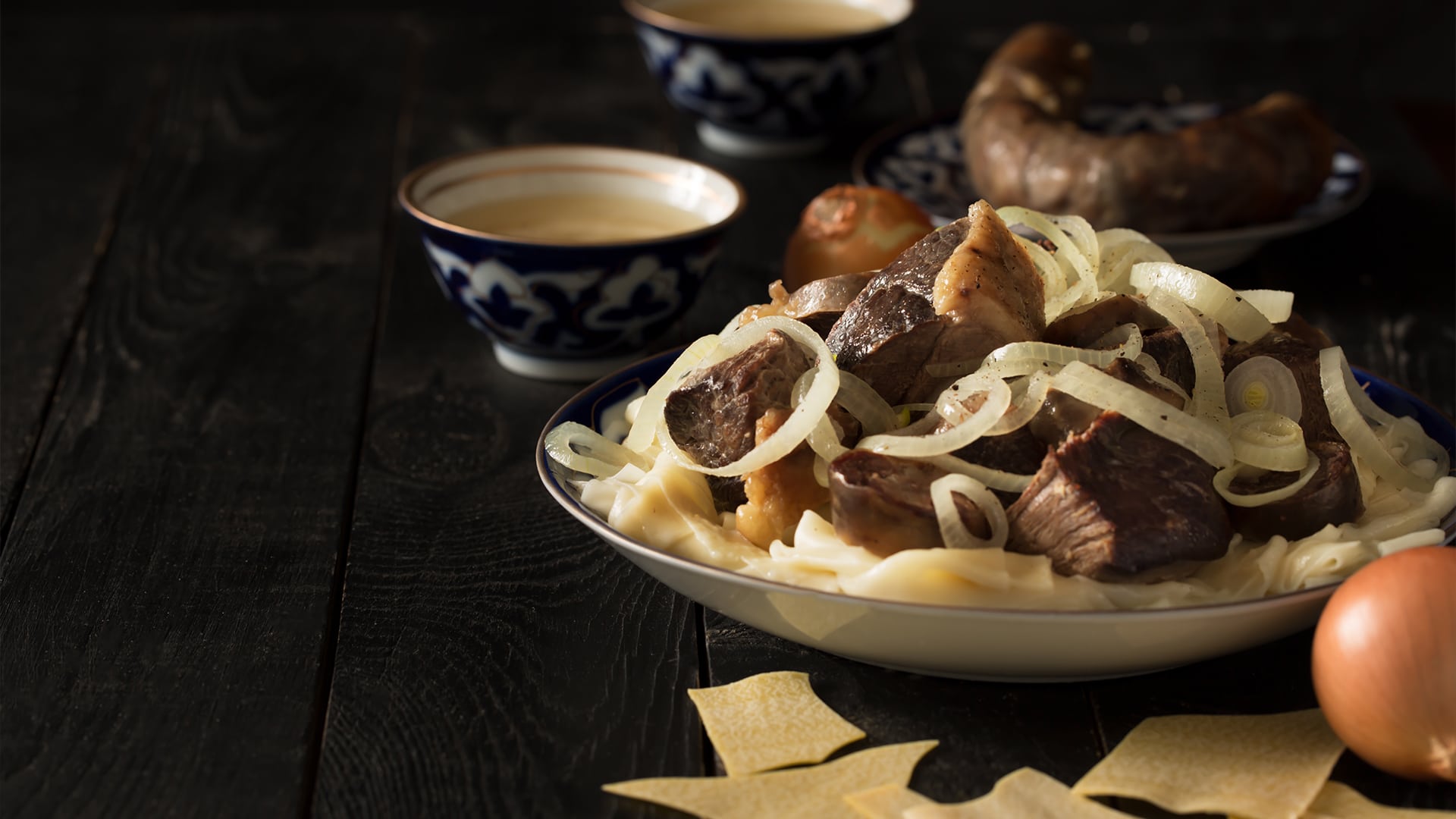
Traditional Kazakh dishes may gradually disappear from the diets of younger generations. Participants at the Industry Day gastronomic forum, held in late September in Almaty, discussed why children are becoming less familiar with the taste of beshbarmak, kurt and other traditional foods.
Artem Kantsev, brand chef at Qazaq Gourmet restaurant, shared a personal story that, he said, made him think about the future of traditional cuisine.
When his son turned 10, Kantsev asked him what he wanted served at his birthday party. The boy chose beshbarmak, a traditional Kazakh dish of boiled meat served with thin sheets of dough. He explained that he was tired of pizza and chicken nuggets, which were served at all the other children’s parties he attended.
About 20 children attended the celebration, but 11 of them, according to Kantsev, did not even know what beshbarmak was.
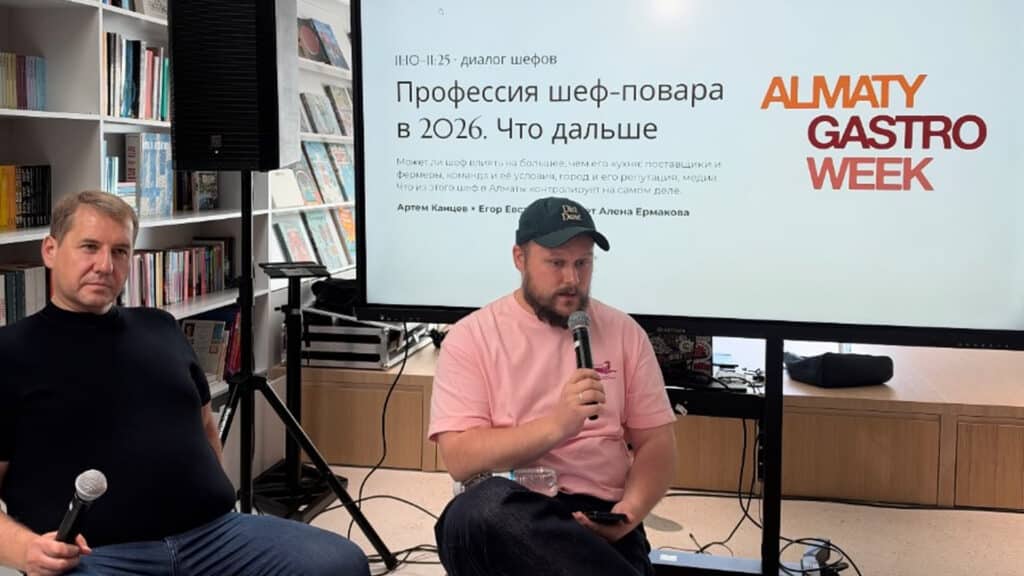
«That’s a warning sign … a very dangerous one,» he said.
Kantsev stressed that this was more than an isolated case of dietary preference. It raised broader questions about how to maintain children’s connection to traditional foods and flavors.
«Young people are eating less and less kurt and other traditional products,» he said, contrasting the eating habits of different generations.
In his view, preserving national cuisine should not be seen solely as a task for restaurants but also as an area for dedicated research.

«We need to bring science into this. There may already be some studies, or perhaps new research is needed to determine how to preserve for the next generation those authentic flavors rooted in our own land,» he said.
Restaurants as a link between generations
The discussion also focused on the role restaurants can play in preserving culinary traditions. In Kazakhstan, families with children frequently eat out, making restaurants one of the main places where younger diners may encounter traditional dishes for the first time.
This does not necessarily mean serving traditional foods in their original, unchanged form. The restaurant industry is already exploring ways to combine familiar ingredients and contemporary tastes with a sense of nostalgia.
One example discussed at the forum was Akku café in Almaty. The café has retained such offerings as coffee brewed in a traditional turka (cezve) and kvass served in a classic faceted glass — touches intended to evoke nostalgia among older customers. Other menu items include cod liver and open-faced sandwiches topped with dill butter.

This approach offers another way to preserve culinary heritage: rather than expecting younger generations to eat exactly what their parents and grandparents did, restaurants can find contemporary ways to present familiar flavors.
For some children, beshbarmak remains a dish reserved for special family gatherings. For others, their first taste of it may come in a restaurant. Ultimately, restaurants’ ability to reinterpret traditional dishes for modern diners could help determine whether these foods retain a place in the diets of future generations.
