


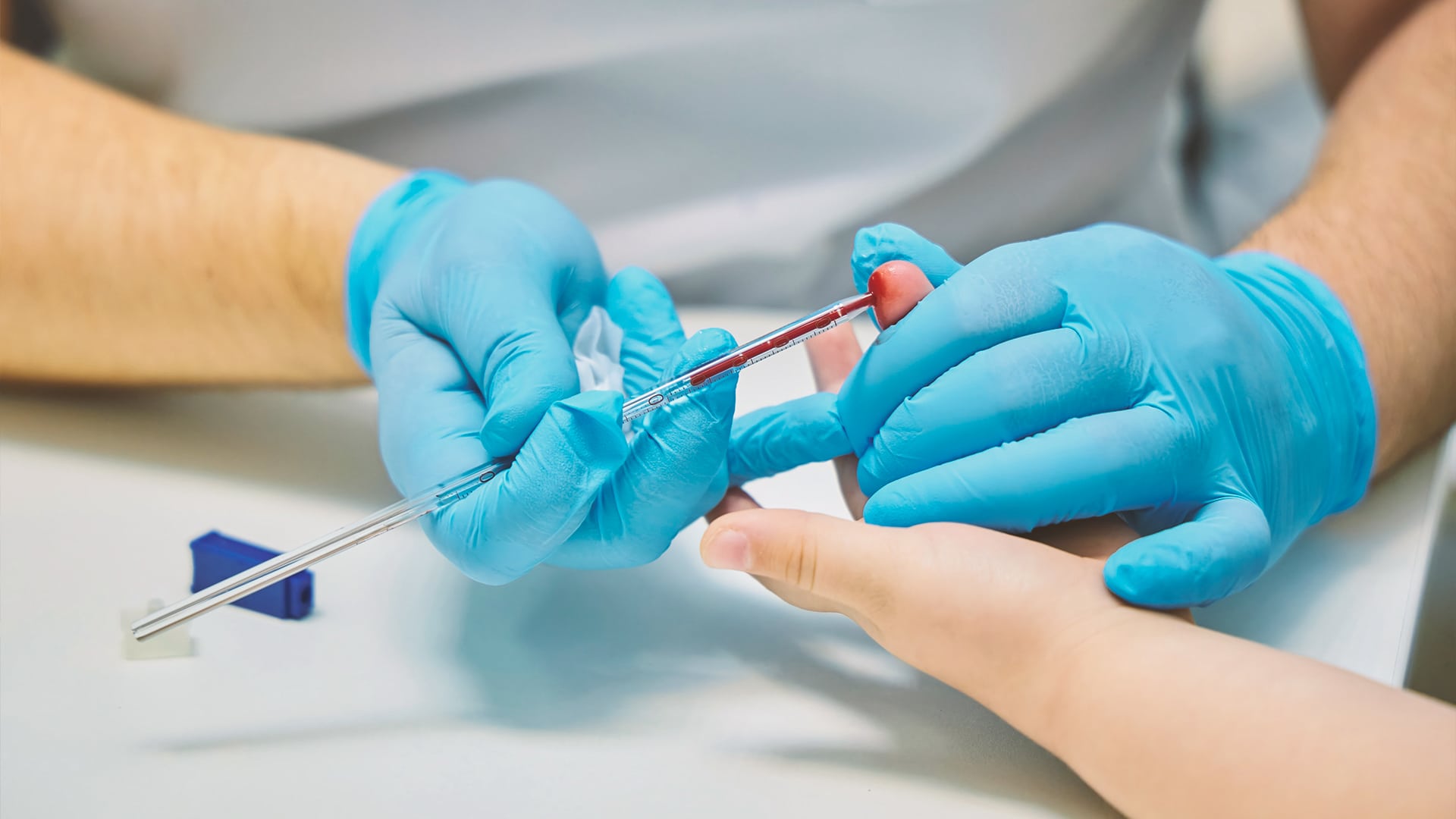
Early detection of endocrine disorders allows children to receive timely and effective treatment. Kazakhstani pediatrician Nurzhamal Aubakirova explains which symptoms should prompt parents to seek medical advice rather than attempt self-treatment, and when a child should have their blood glucose and glycated hemoglobin levels tested.
«Excessive thirst is a warning sign that should not be ignored, especially when a child constantly asks for something to drink. Other symptoms include frequent urination, enuresis (bedwetting) and significant, unexplained weight changes — whether a child loses weight unexpectedly or gains weight and struggles to lose it,» the pediatrician says.
She adds that itching in the genital area and symptoms of vaginitis, including redness and inflammation, should also raise concern.
«If a child experiences persistent itching, recurrent fungal infections or wounds that heal poorly, it is important to have their blood glucose and glycated hemoglobin levels checked,» Aubakirova says.
The endocrine system regulates the functioning of many organs and processes throughout the body, including growth, metabolism, blood glucose levels and puberty. As a result, even seemingly minor changes can be early signs of an endocrine disorder. Identifying the underlying cause promptly can help ensure that a child receives appropriate treatment without delay.
Read also: 3 popular products an endocrinologist refuses to buy.
